The Origins & Spirit of New Year's Day
New Year's Day traces back to 45 BCE when Julius Caesar dedicated January 1 to Janus—the Roman god of doorways and beginnings whose two faces gaze into the past and future.
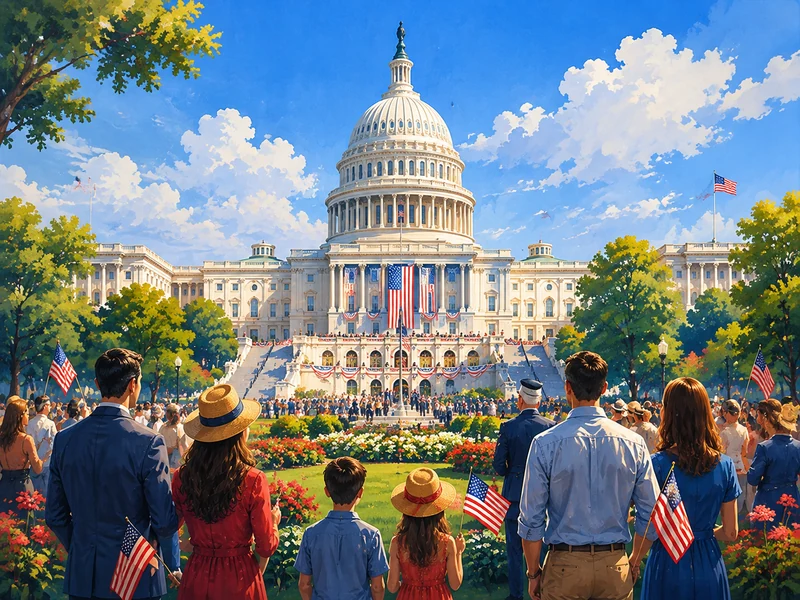
Established as an official U.S. federal holiday in 1870, it is celebrated with the Times Square ball drop, festive parades, lucky family feasts, and hopeful resolutions.

Milestones in New Year's History
From ancient Roman calendars to American federal traditions.
The Julian Calendar
Julius Caesar establishes January 1 as the official beginning of the calendar year, dedicated to the guardian of gateways, Janus.
The Gregorian Adoption
Britain and its American colonies adopt the Gregorian calendar, moving the legal new year permanently from March 25 to January 1.
Freedom's Eve & Emancipation
President Abraham Lincoln issues the Emancipation Proclamation on New Year's Day, fulfilling the hopes of nationwide watchnight vigils.
First Federal Holiday Act
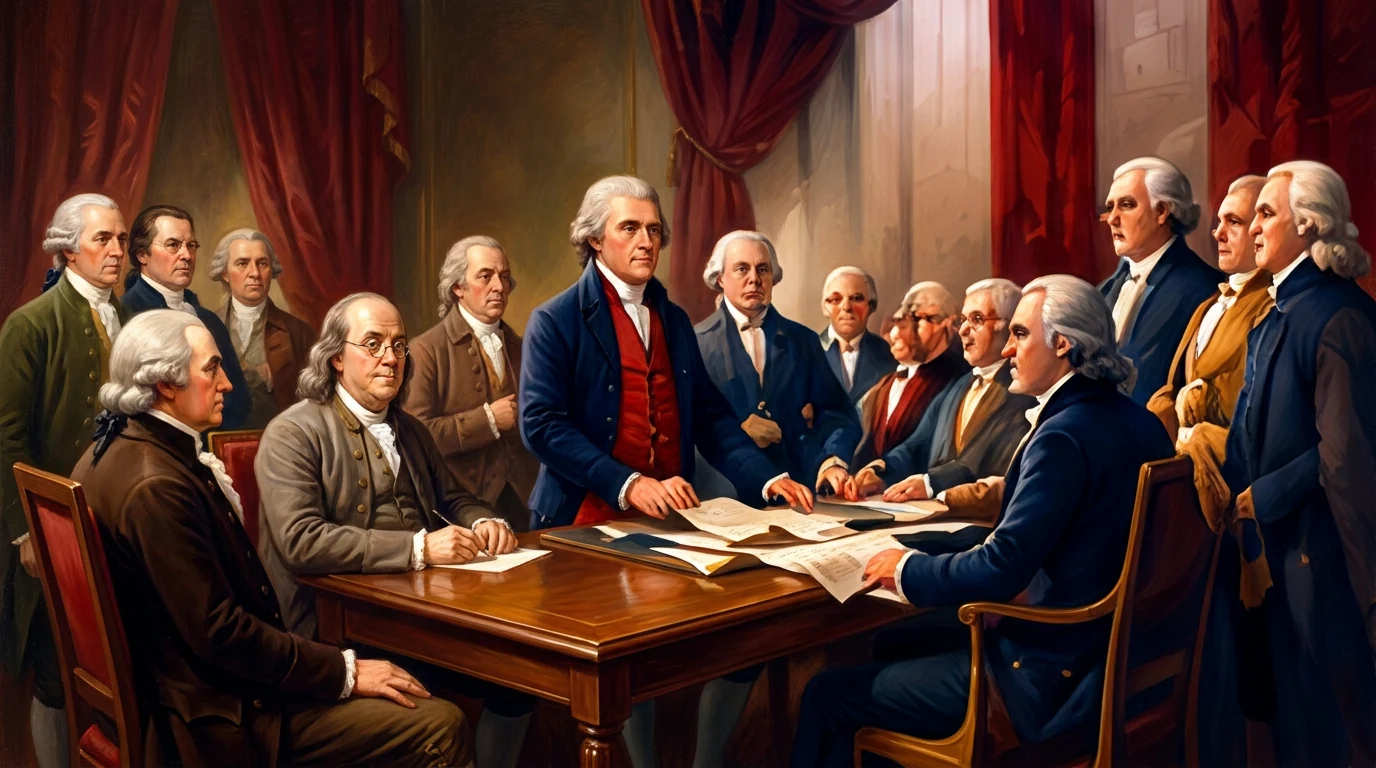
Congress passes legislation establishing New Year's Day, Independence Day, Thanksgiving, and Washington's Birthday as federal holidays.
Times Square Ball Drop
The first illuminated New Year's Eve ball lowers atop One Times Square in New York City, founding an iconic midnight tradition.
How New Year's Day is Celebrated
Beloved national rituals, midnight spectacles, and regional traditions across the United States.

Midnight Countdown & Ball Drop
Millions gather in Times Square and tune in nationwide as the Waterford Crystal ball lowers at midnight, greeted by confetti cascades and cheers.

First Day Hikes in State Parks
Across all 50 states, thousands of hikers embrace the outdoors on January 1, participating in guided First Day Hikes sponsored by America's State Parks.

The Pasadena Tournament of Roses
An iconic New Year tradition since 1890, Pasadena's Rose Parade showcases breathtaking floral floats, marching bands, and equestrian units.

Southern Lucky Foods Tradition
Families across the American South prepare Hoppin' John (black-eyed peas for luck), collard greens (for prosperity), and golden skillet cornbread.
Things to Do on New Year's Day
Inspirational ways to welcome the new year with purpose, wellness, and joy.





New Year's Long Weekend Planner
Maximize your winter holiday break with a restorative long weekend getaway.
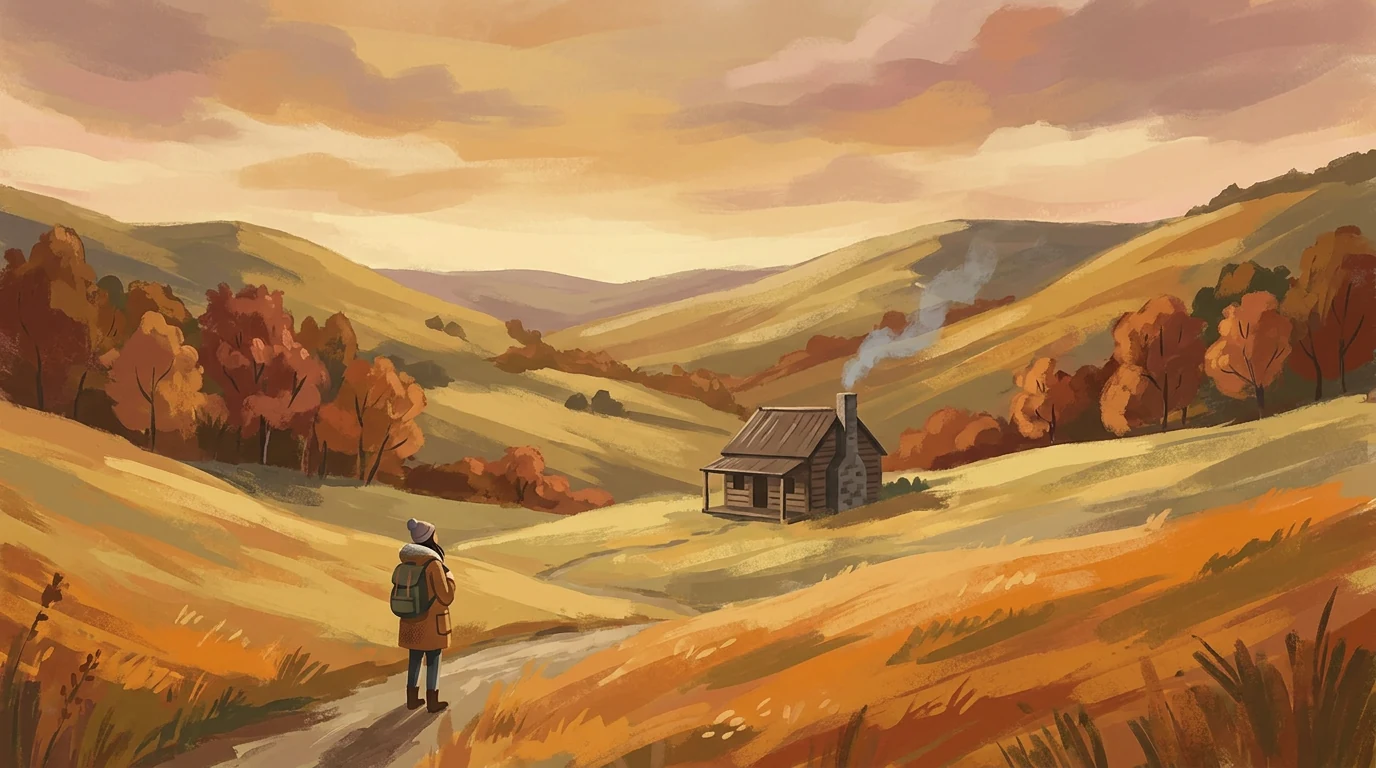
 Winter quiet. Scenic renewals.
3-Day Weekend
Jan 1 – Jan 3, 2027Start the year feeling refreshed and centered. Whether you're retreating to a peaceful snowbound cabin or enjoying quiet mornings at home, January offers a calm canvas for renewal.
- Time away
- 3 days
- Leave needed
- None
- Planning tip
- Fireworks & celebrations
Did You Know? New Year's Facts
Fascinating history and lore behind America's celebration of January 1.
The Two-Faced Deity
January takes its name from Janus, the Roman god with two faces—one looking back upon past deeds, the other gazing forward with anticipation.
The 11,875-Pound Ball
The Times Square New Year's Eve ball is 12 feet in diameter, weighs nearly 12,000 pounds, and is covered with 2,688 Waterford Crystal triangles illuminated by 32,256 LEDs.
Coins, Dollars & Gold
Southern folklore holds that black-eyed peas represent coins, braised collard greens represent paper greenbacks, and cornbread represents gold for the coming year.
The Freedom's Eve Vigil
On the night of December 31, 1862, enslaved and free African Americans held 'Watch Night' vigils awaiting midnight when Lincoln's Emancipation Proclamation took effect.
Frequently Asked Questions
Essential details about New Year's Day observances, closures, and traditions in the US.
Yes. New Year's Day is one of eleven official United States federal holidays. Non-essential federal government offices, courts, public schools, banks, and post offices are closed nationwide.
In American culinary tradition—particularly across the South—black-eyed peas are eaten for good fortune, leafy green vegetables (like collards) represent paper currency, and golden cornbread symbolizes wealth.
Under federal law, if January 1 falls on a Saturday, the preceding Friday (December 31) is observed as the federal holiday. If it falls on a Sunday, the following Monday (January 2) is observed.
First Day Hikes is a nationwide initiative across all 50 state park systems offering free, guided outdoor hikes on January 1 to inspire individuals and families to begin the year active and connected to nature.
Related holidays in the United States
Explore other major American national holidays and seasonal observances.