
The story behind Independence Day
Independence Day commemorates the adoption of the Declaration of Independence on July 4, 1776, when the thirteen American colonies declared their independence from Great Britain.
It marks a defining moment in the nation's history and continues to be a celebration of freedom, unity and the American spirit.
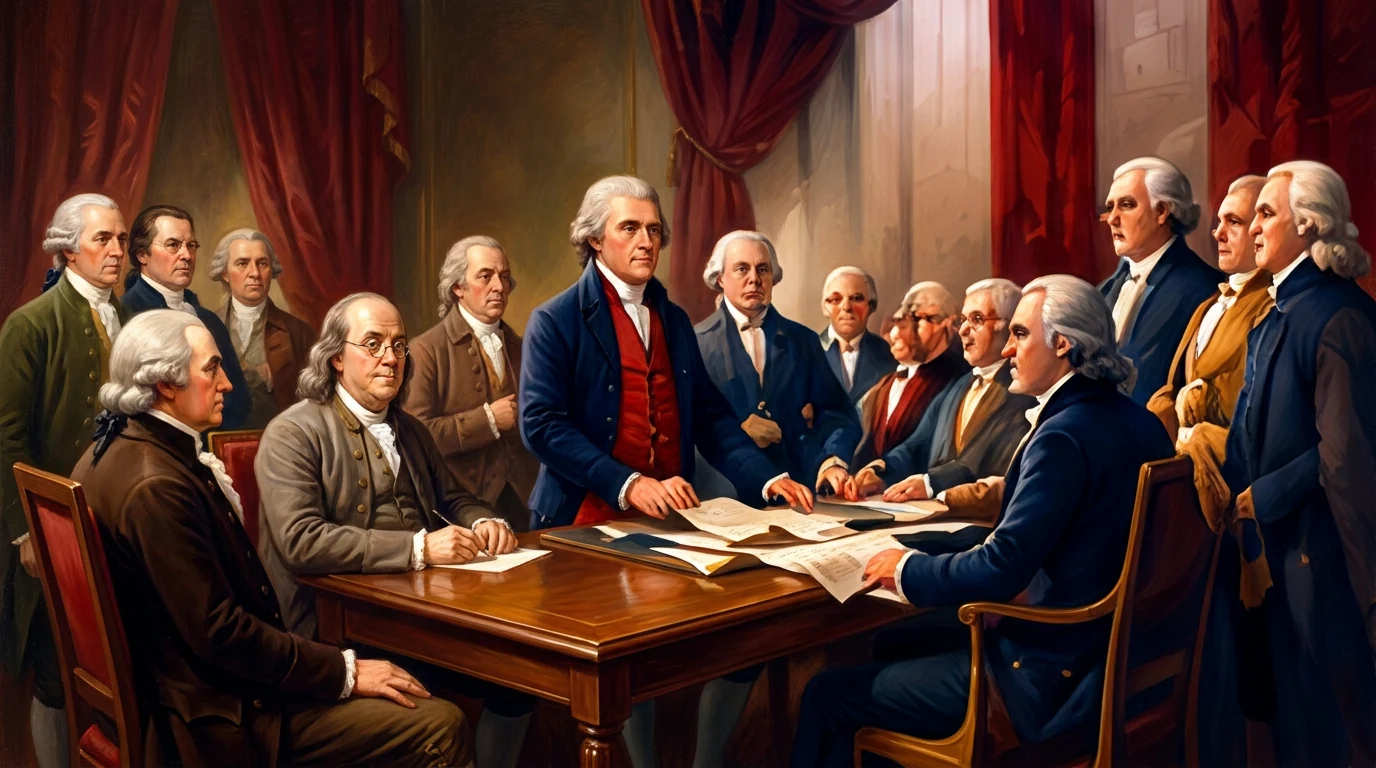
Timeline of a nation's journey
Key moments that shaped Independence Day and its enduring legacy.
Declaration of Independence
The 13 colonies declare independence on July 4, 1776.
Becomes a federal holiday
Congress officially recognizes July 4 as a federal holiday.
Paid holiday for federal employees
Congress establishes July 4 as a paid holiday for federal employees.
A lasting tradition
Celebrated across generations as a symbol of freedom, unity and opportunity.
How it's observed today
Independence Day is celebrated across the United States with time-honored traditions that bring communities together.

Parades
Communities host parades with music, flags and local groups.

Civic ceremonies
Official events and ceremonies honor the nation's history.

Family gatherings
Friends and families come together for barbecues, picnics and outdoor activities.

Fireworks
The day often ends with spectacular fireworks displays.
Things to do on Independence Day
Make the most of the holiday with these fun ideas.





Plan your long weekend
Independence Day 2027 falls on a Friday, giving you a 3-day long weekend to relax, explore and create memories.
 Good friends. Brighter days.
3-Day Weekend
Jul 3 – Jul 5, 2027A great time to relax, travel or spend quality time with loved ones.
- Time away
- 3 days
- Leave needed
- None
- Planning tip
- Perfect for a quick getaway
Did you know?
A few interesting facts about Independence Day.
July 4 wasn't always a federal holiday.
It became a federal holiday in 1870, nearly 100 years after independence.
The Declaration has 56 signers.
Fifty-six delegates from 13 colonies signed the Declaration of Independence.
Celebrations began early.
Independence Day was celebrated in many towns as early as 1777.
It's often called the Fourth of July.
'Fourth of July' is the most common alternate name for Independence Day.
Frequently asked questions
Clear answers about the date, history, meaning, and celebrations.
On July 4, 1776, the Second Continental Congress formally approved the final text of the Declaration of Independence, announcing that the 13 American colonies were free and independent states.
Yes. Congress designated July 4 as a federal holiday in 1870 and made it a paid federal holiday in 1938.
Common celebrations include morning parades, neighborhood barbecues, patriotic concert performances, visiting historic landmarks, and evening fireworks displays.
When July 4 falls on a Saturday, the preceding Friday is observed. If it falls on a Sunday, the following Monday is observed.
Independence Day celebrates the nation's founding and liberty, while Memorial Day honors military personnel who died in service to the country.
The holiday is commonly named for the date printed on the Declaration of Independence: July 4, 1776.
Related holidays
Explore other US holidays and observances.


