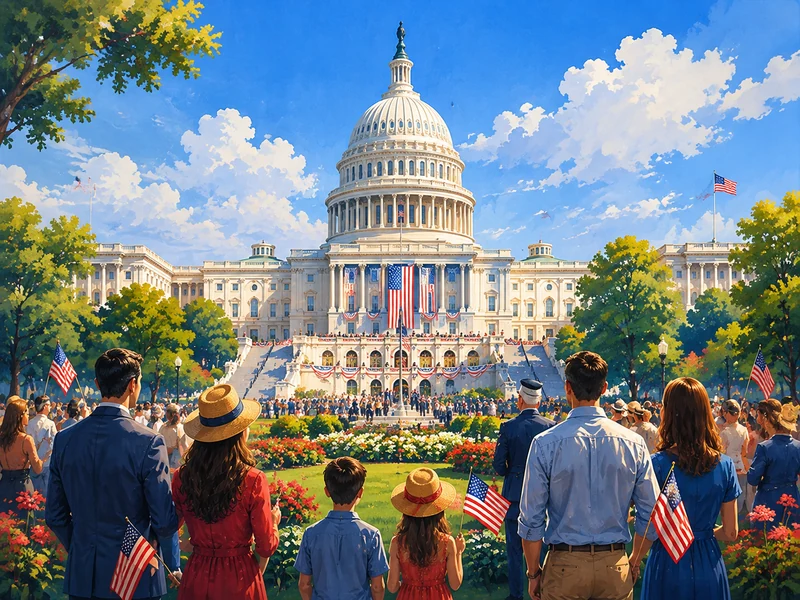
The story behind Thanksgiving
Thanksgiving commemorates an autumn 1621 harvest feast in Plymouth Colony, where surviving English settlers and the Wampanoag people gathered in mutual friendship and fellowship.
Proclaimed a nationwide holiday by Abraham Lincoln in 1863 to heal a divided nation, Thanksgiving remains America's preeminent celebration of family and gratitude.

Timeline of an American tradition
Key milestones tracing the harvest roots, presidential proclamations, and modern spirit of Thanksgiving.
First Harvest Gathering
The three-day harvest feast shared between the Wampanoag people and Plymouth colonists.
First Presidential Call
George Washington proclaims a day of public thanksgiving for the newly ratified U.S. Constitution.
Lincoln's Proclamation
Abraham Lincoln establishes Thanksgiving as a recurring national holiday during the Civil War.
Codified by Law
Congress and FDR codify Thanksgiving permanently as the fourth Thursday of November.
Homecoming & Gratitude
America's premier family holiday of homecoming, cherished meals, and community generosity.
How it's observed today
Thanksgiving is celebrated across the United States with warm traditions that bring families together.

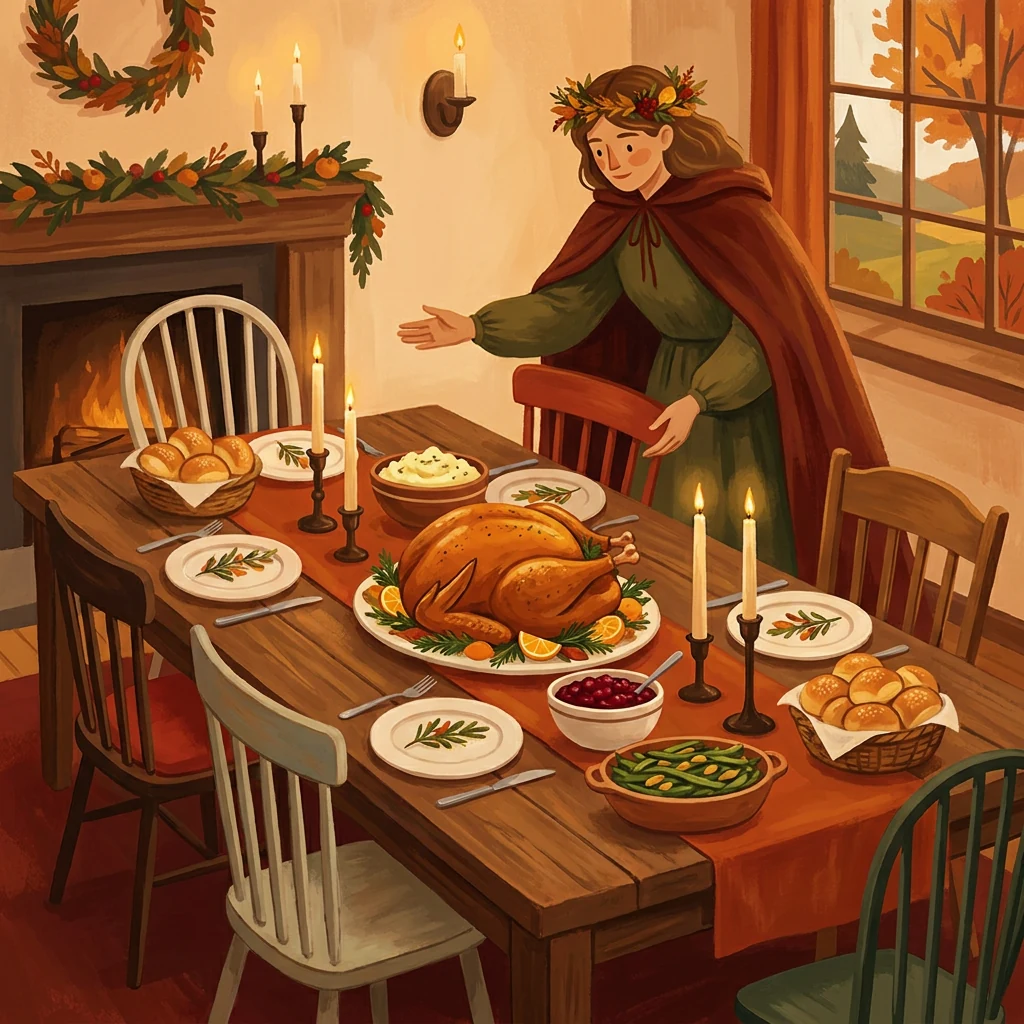
The Thanksgiving Feast
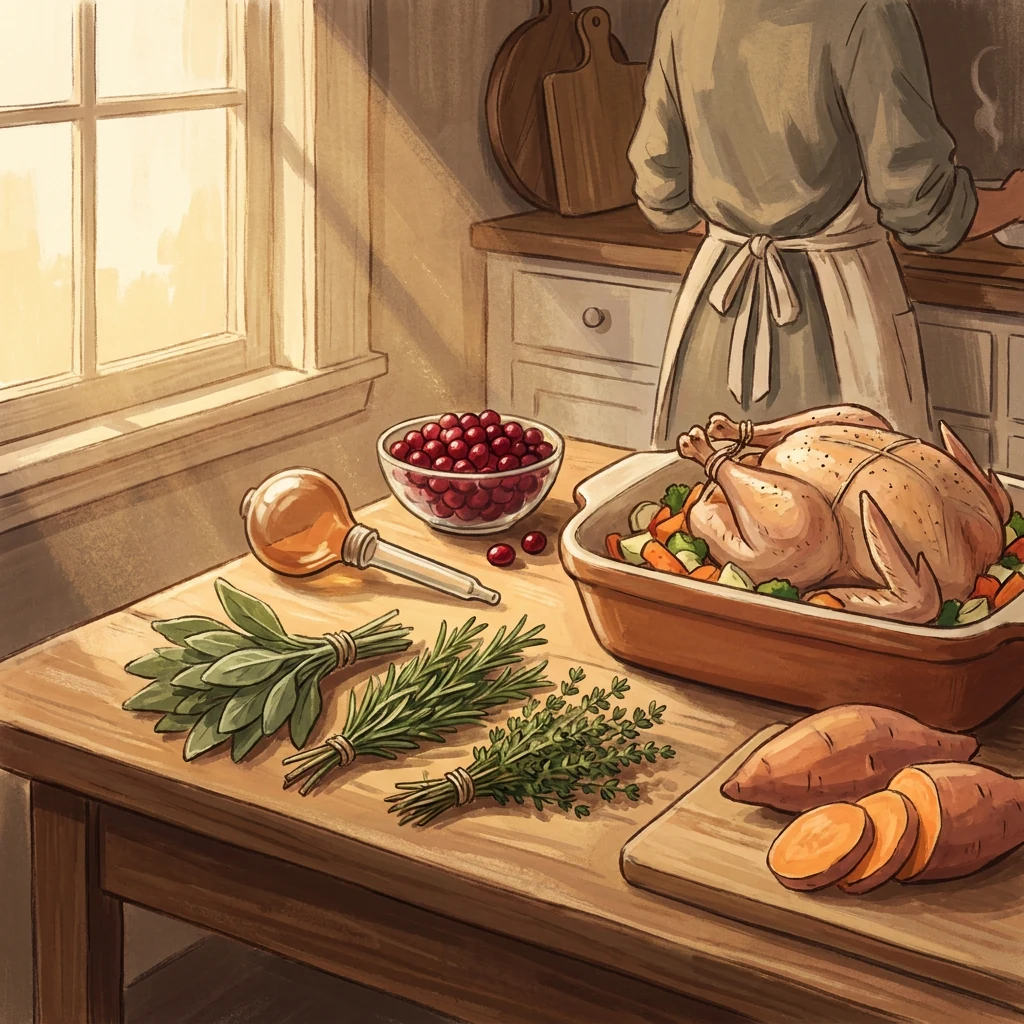
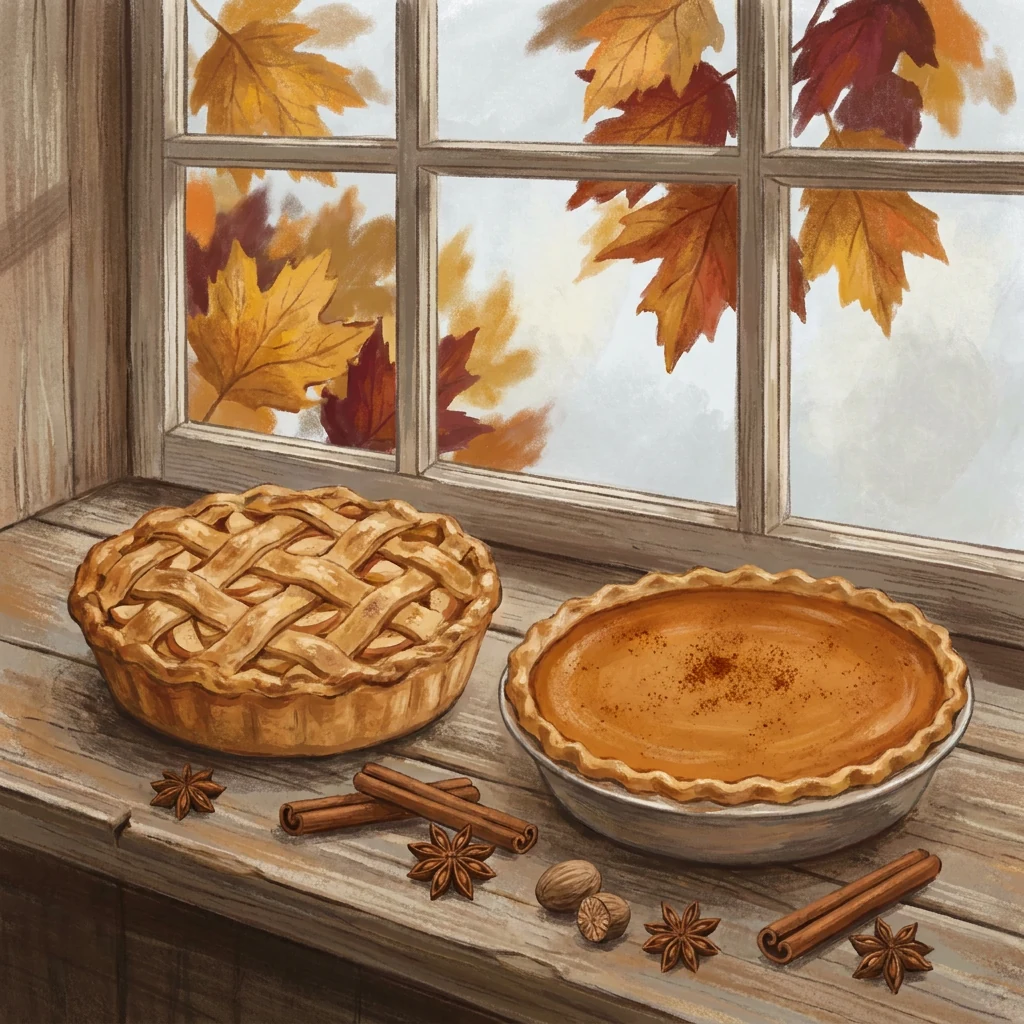
Families gather around a bountiful table featuring roast turkey, savory stuffing, mashed potatoes, cranberry sauce, and pumpkin pie.

Family Homecoming
Millions of travelers journey by air and road to reunite with extended family, sharing laughter, memories, and fellowship.

Expressions of Gratitude
Before the feast begins, family members take turns sharing what they are most thankful for over the past year.

Parades & Holiday Football
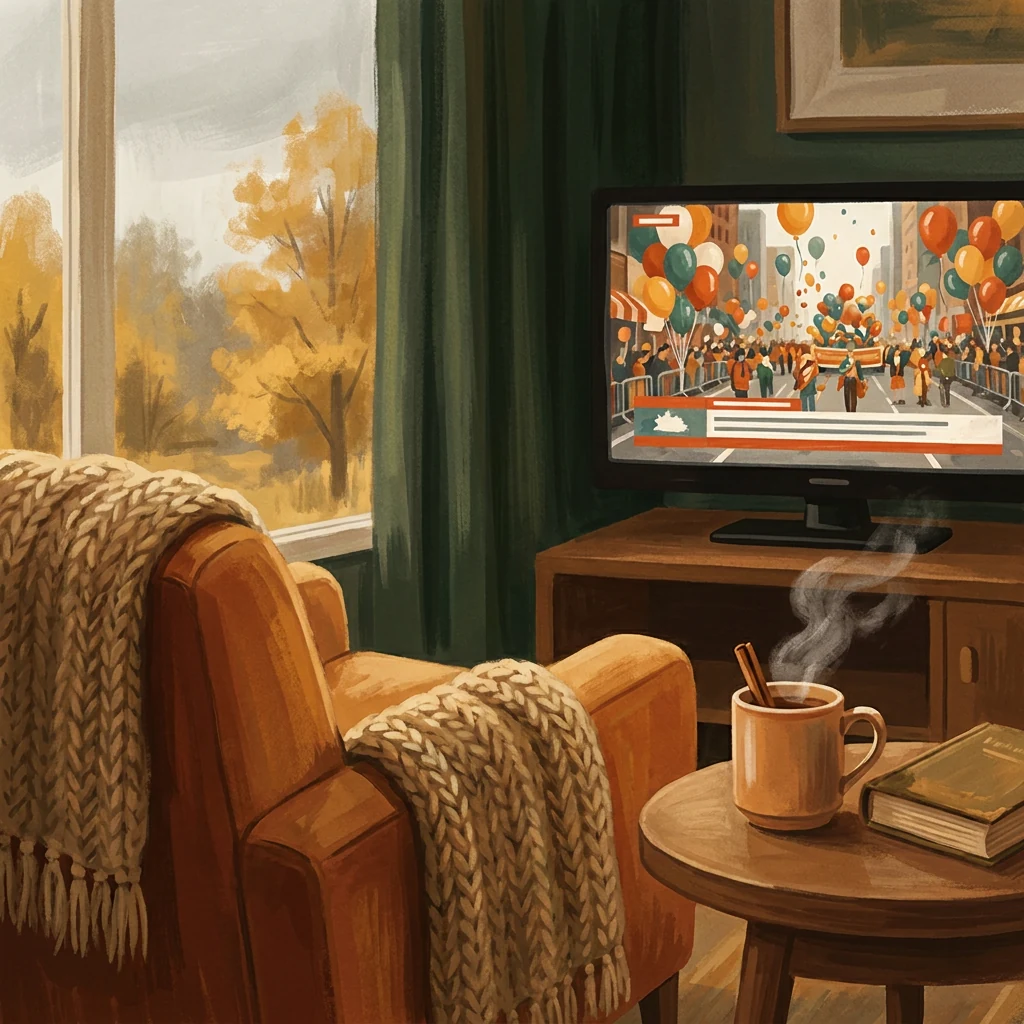
Mornings feature marching bands and giant balloons at parades, followed by historic NFL football rivalries.
Things to do on Thanksgiving
Make the most of the holiday with these beloved seasonal traditions.
Plan your Thanksgiving break
Thanksgiving 2027 falls on Thursday, November 25, creating an extended 4-day weekend with Black Friday.
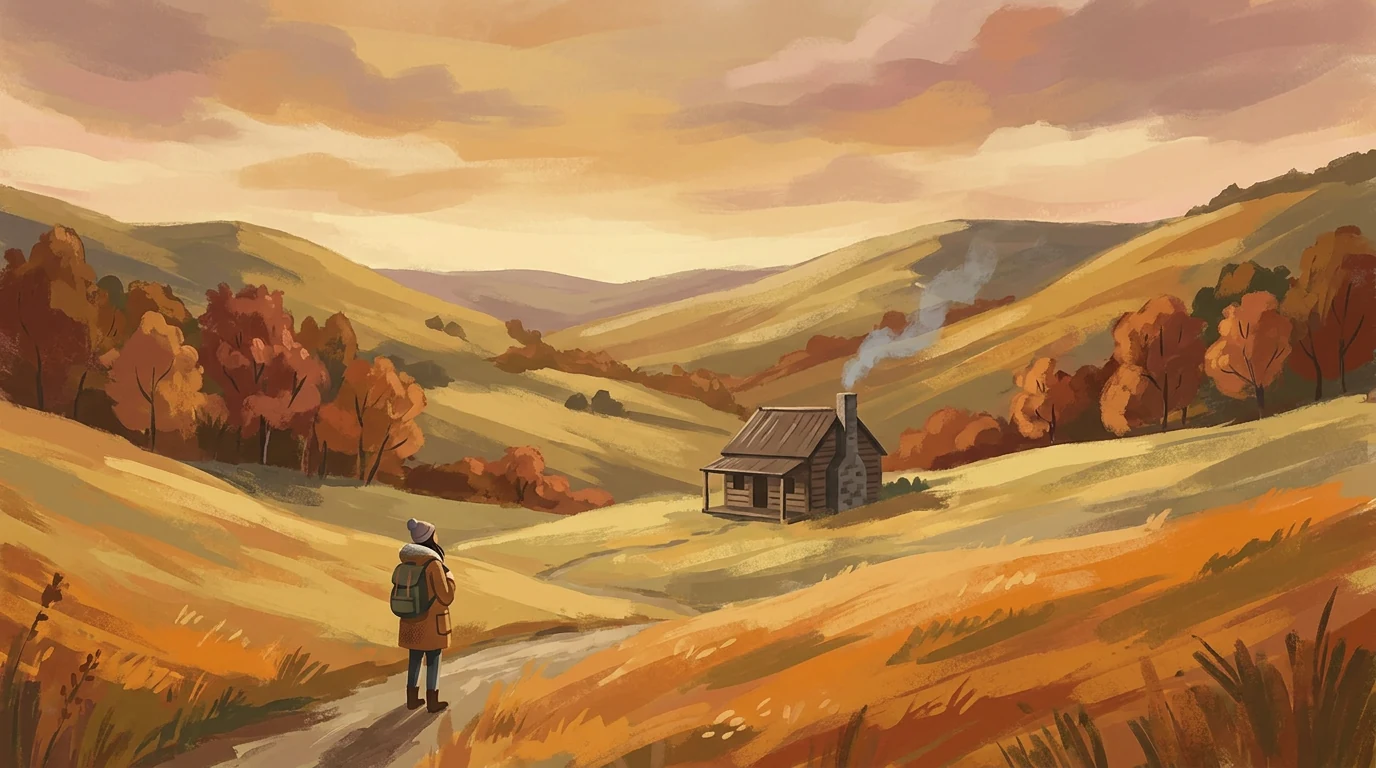
 Cozy cabins. Heartfelt reunions.
4-Day Break
Nov 25 – Nov 28, 2027The premier autumn long weekend for cozy mountain cabin getaways, family reunions, and festive homecoming.
- Time away
- 4 days
- Leave needed
- 1 day
- Planning tip
- Take Friday off for a 4-day break
Did you know?
Fascinating facts and history behind the Thanksgiving holiday.
Codified by Congress in 1941.
Federal law fixed Thanksgiving permanently to the fourth Thursday to avoid late-November retail confusion.
Busiest travel weekend.
More than 55 million Americans travel at least 50 miles to celebrate Thanksgiving with loved ones each year.
Presidential turkey pardon.
The lighthearted tradition of formally presenting and pardoning a National Thanksgiving Turkey formalized in 1989.
A century of football.
The tradition of NFL football games on Thanksgiving began in 1920, with Detroit and Dallas continuing as annual hosts.
Frequently asked questions
Clear answers about the dates, history, and traditions of Thanksgiving in the United States.
In 2027, Thanksgiving falls on Thursday, November 25, followed by Black Friday on November 26.
Thanksgiving traces back to a three-day harvest celebration in 1621 at Plymouth Colony between English colonists and the Wampanoag people, as well as longstanding Native American and European traditions of giving thanks for the harvest.
While Black Friday is not a federal holiday, more than 20 states recognize it as an official state holiday (often named Day After Thanksgiving), and many private employers and schools provide it as a paid day off.
President Abraham Lincoln set the precedent in 1863 by choosing the last Thursday in November. In 1941, Congress passed a joint resolution signed by President Franklin D. Roosevelt permanently designating the fourth Thursday of November.
A traditional Thanksgiving feast features roast turkey with savory stuffing, mashed potatoes, giblet gravy, cranberry sauce, green bean casserole, and seasonal pies like pumpkin, pecan, and apple.
Sarah Josepha Hale, author of 'Mary Had a Little Lamb' and editor of Godey's Lady's Book, campaigned tirelessly for 36 years, writing letters to five U.S. presidents until Abraham Lincoln officially established the national holiday in 1863.
Related holidays in the United States
Explore other major American national holidays and seasonal observances.