The apostle of peace and architect of Satyagraha
Gandhi Jayanti honors Mahatma Gandhi, born October 2, 1869, whose doctrine of Satyagraha—truth through non-violent resistance—led India to freedom and transformed modern history.
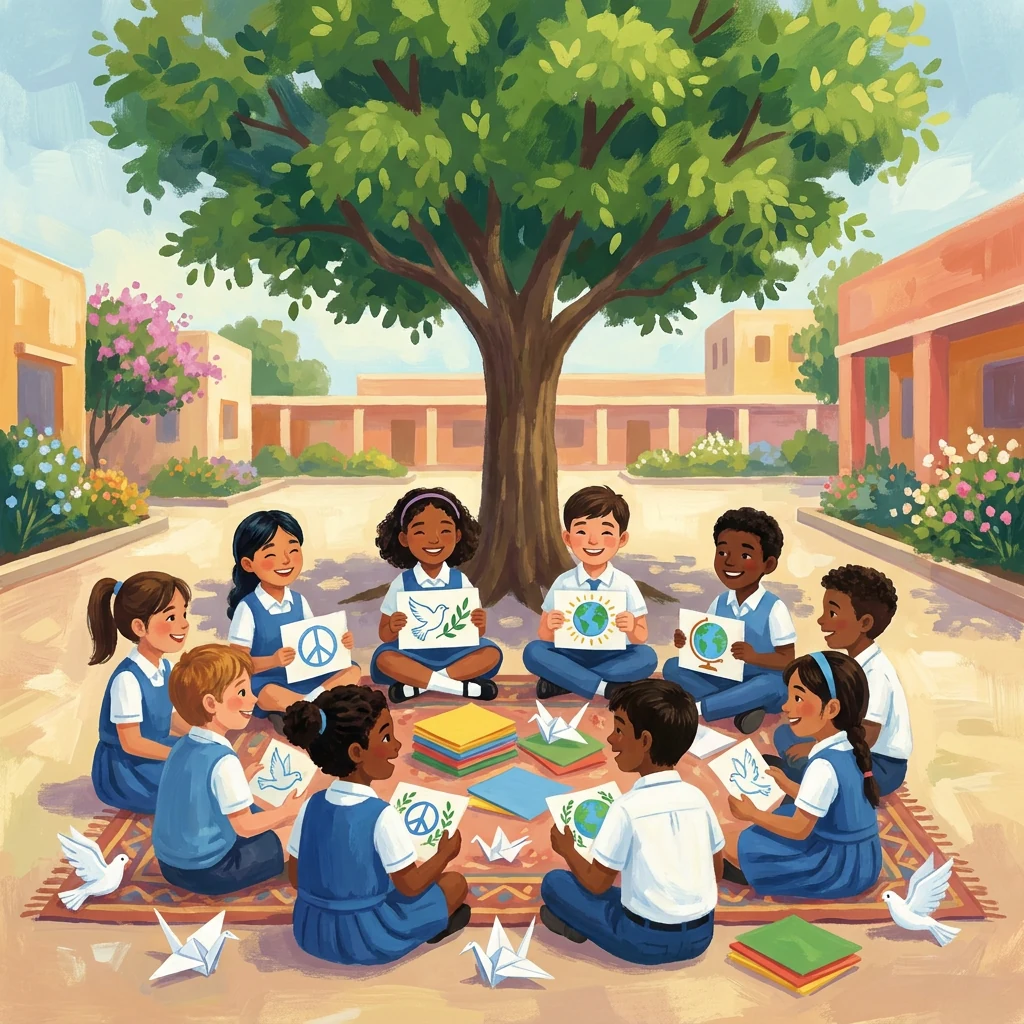
Observed globally as the International Day of Non-Violence, the day celebrates moral courage, self-reliance, communal harmony, and the timeless power of peace.

Milestones of a transformative life
Key moments tracing Gandhi's journey from Porbandar to leading India to freedom and inspiring global civil rights.
Birth in Porbandar
Mohandas Karamchand Gandhi is born on October 2 in Porbandar, Gujarat, into a deeply ethical family.
South Africa & Satyagraha
Develops the pioneering strategy of non-violent civic resistance (Satyagraha) while defending the civil rights of Indians in South Africa.
The Historic Salt March
Leads a 240-mile march from Sabarmati Ashram to Dandi to break the colonial salt monopoly, awakening millions to peaceful civil disobedience.
Indian Independence
India achieves national freedom on August 15, as Gandhi devotes himself to healing communal divisions and restoring peace.
UN International Day of Non-Violence
The United Nations General Assembly unanimously adopts a resolution establishing October 2 as the worldwide International Day of Non-Violence.
How it's observed today
Gandhi Jayanti is observed with solemnity, prayer, and civic service across India and at diplomatic missions worldwide.

Rajghat Tributes & Memorials
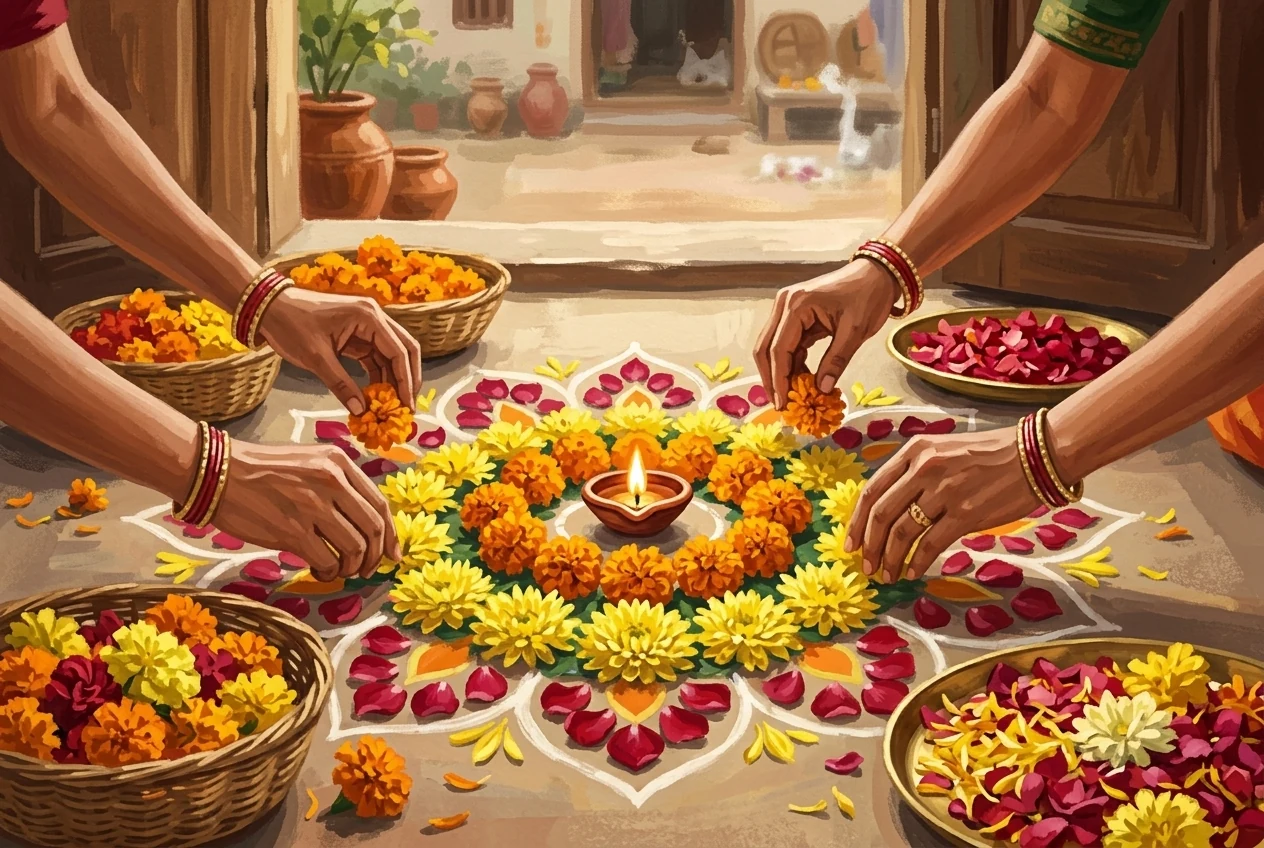
National leaders, dignitaries, and citizens gather at the black marble Samadhi at Rajghat in New Delhi to offer floral tributes and prayers.

Sarva Dharma Prarthana
All-faith prayer assemblies echo Gandhi's devotion to communal harmony with sacred verses and hymns from Hindu, Muslim, Christian, Sikh, Buddhist, and Jain traditions.

Charkha Spinning & Khadi
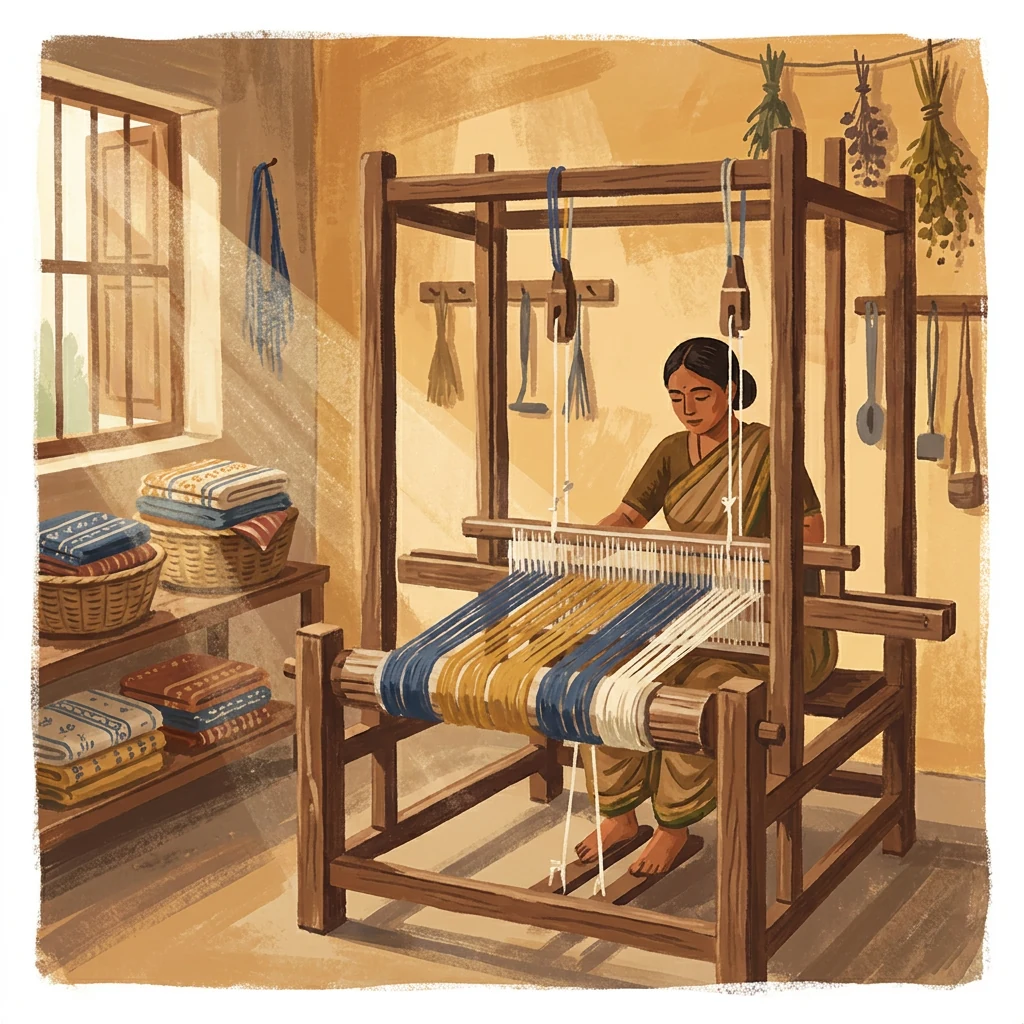
Institutions host collective spinning sessions on traditional wooden charkhas, honoring Gandhi's vision of rural self-reliance and indigenous craftsmanship.

Swachh Bharat & Shramdaan
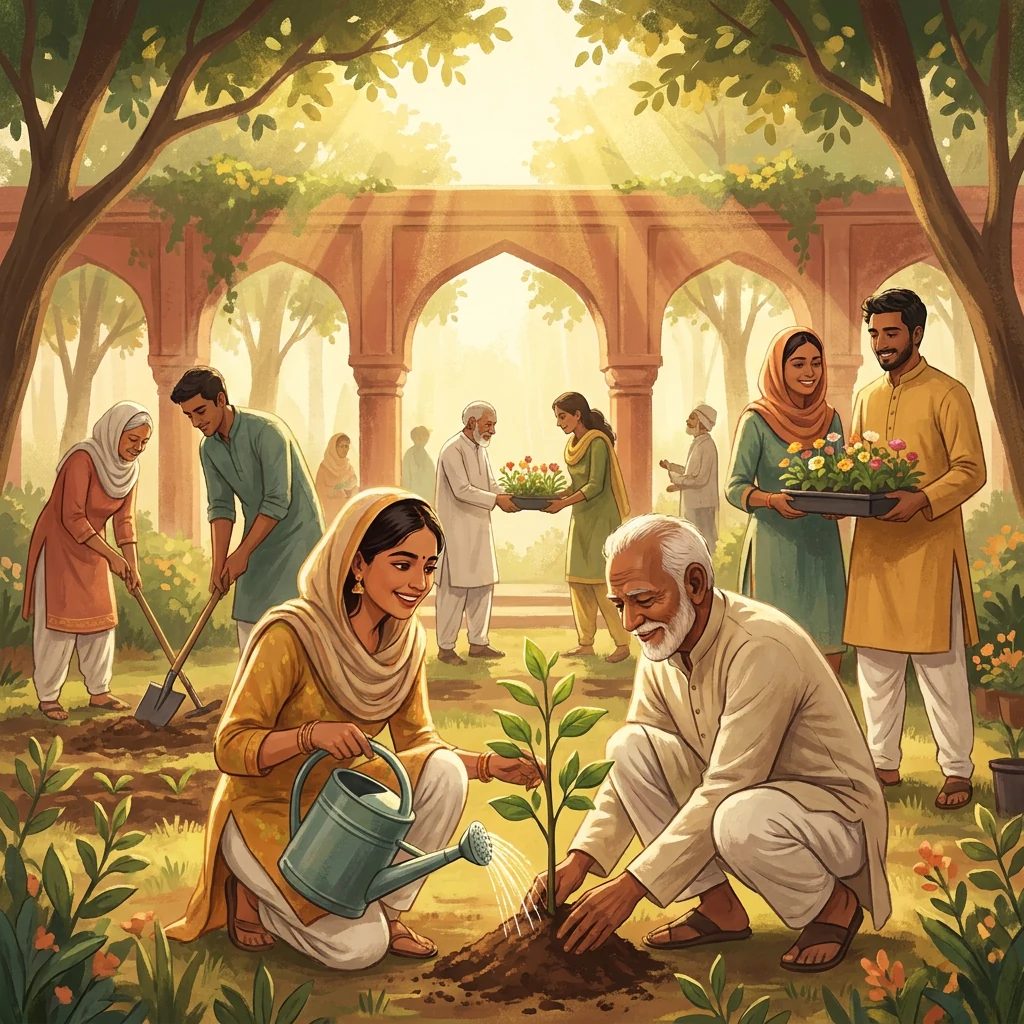
Communities, schools, and civic groups organize cleanliness drives and voluntary community labor (shramdaan), reflecting Gandhi's conviction that cleanliness is vital to national dignity.
Ways to honor the legacy
Reflect, learn, and contribute on Gandhi Jayanti with meaningful activities of service and mindfulness.


Plan your Gandhi Jayanti break
In 2026, Gandhi Jayanti falls on a Friday, creating a 3-day long weekend across all Indian states.
 Peaceful journeys. Quiet reflection.
3-Day Weekend
Oct 2 – Oct 4, 2026An ideal time for peaceful heritage journeys, reflective countryside retreats, or dedicating time to community volunteer initiatives.
- Time away
- 3 days
- Leave needed
- None
- Planning tip
- Fireworks & celebrations
Did you know?
Fascinating insights into the life, philosophy, and global resonance of Mahatma Gandhi.
Global Recognition
The United Nations officially designated October 2 as the International Day of Non-Violence in 2007, celebrated globally by all member states.
Remarkable Endurance
Gandhi walked an estimated 79,000 kilometers during his campaign for India's freedom—equivalent to circling the globe twice.
Nobel Peace Prize Legacy
He was nominated five times for the Nobel Peace Prize, and the Nobel Committee later recognized the omission as one of its greatest historical regrets.
Worldwide Philately
More than 100 countries across six continents have issued commemorative postage stamps honoring Mahatma Gandhi.
Frequently asked questions
Essential answers about Gandhi Jayanti traditions, history, and civic significance.
Yes. Gandhi Jayanti is one of India's three official national holidays (along with Republic Day on January 26 and Independence Day on August 15). All central and state government offices, educational institutions, post offices, and banks remain closed nationwide.
The President of India, Prime Minister, Union ministers, diplomats, and citizens visit Rajghat in New Delhi early in the morning to place wreaths at the Samadhi, light the eternal flame, and attend the Sarva Dharma Prarthana (all-religion prayer assembly).
On June 15, 2007, the United Nations General Assembly unanimously adopted a resolution declaring Gandhi's birthday as the International Day of Non-Violence to promote peace, tolerance, and non-violent civic action worldwide.
Prime Minister Narendra Modi launched the nationwide Swachh Bharat (Clean India) Mission on October 2, 2014, honoring Gandhi's profound conviction that sanitation, civic hygiene, and dignity of labor are fundamental to a healthy nation.
Related holidays in India
Explore other national observances and festive celebrations across India.