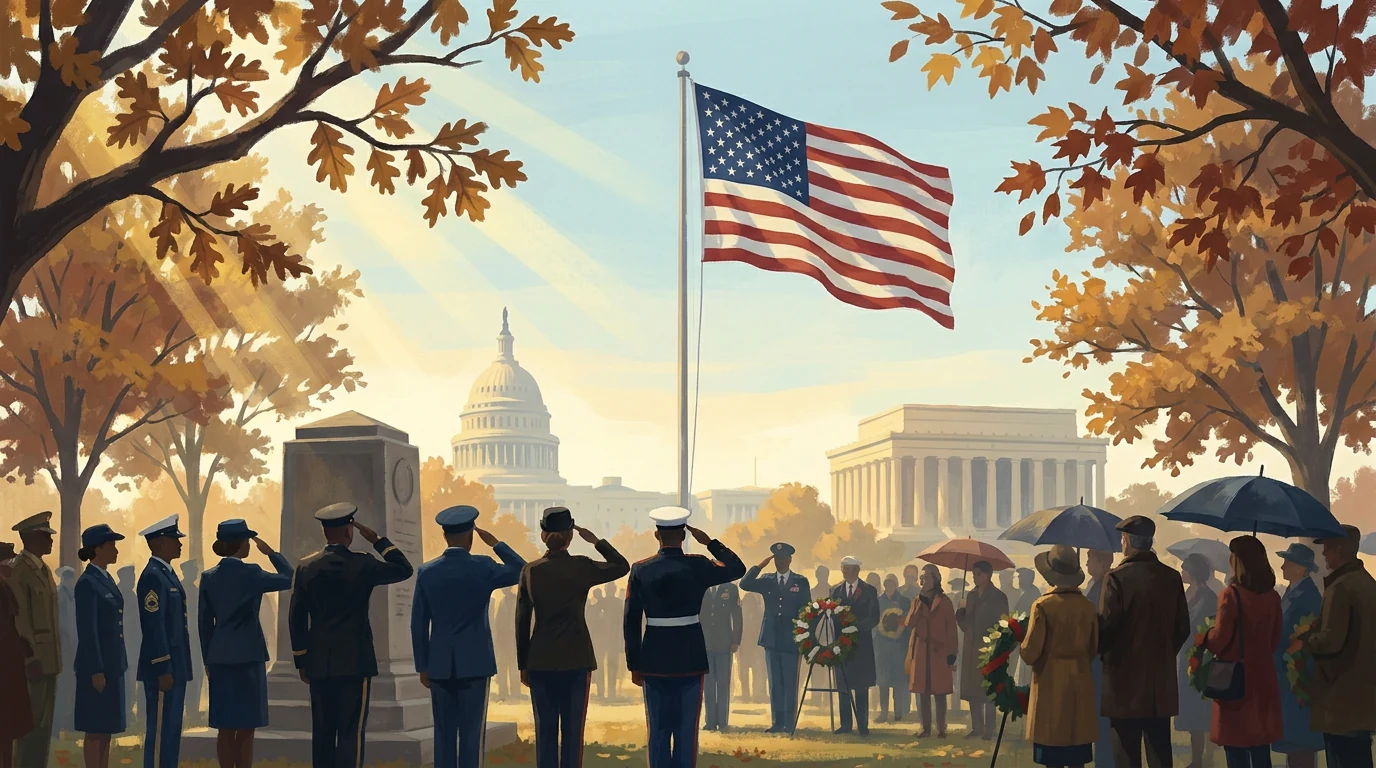
The Living Heritage of Washington & the Presidency
Originally established in 1879 to honor George Washington’s pivotal role as commander-in-chief and the nation’s first president, the holiday transformed into an enduring testament to the executive office. It celebrates the revolutionary restraint of a leader who stepped down voluntarily after two terms, enshrining the peaceful transfer of power.
Following the 1968 Uniform Monday Holiday Act, the observance shifted to mid-February, creating a shared national occasion to reflect on both Washington and Abraham Lincoln. Today, Presidents' Day bridges classical civic reverence with living democracy, inviting Americans to examine the moral courage and stewardship demanded of self-governing citizens.
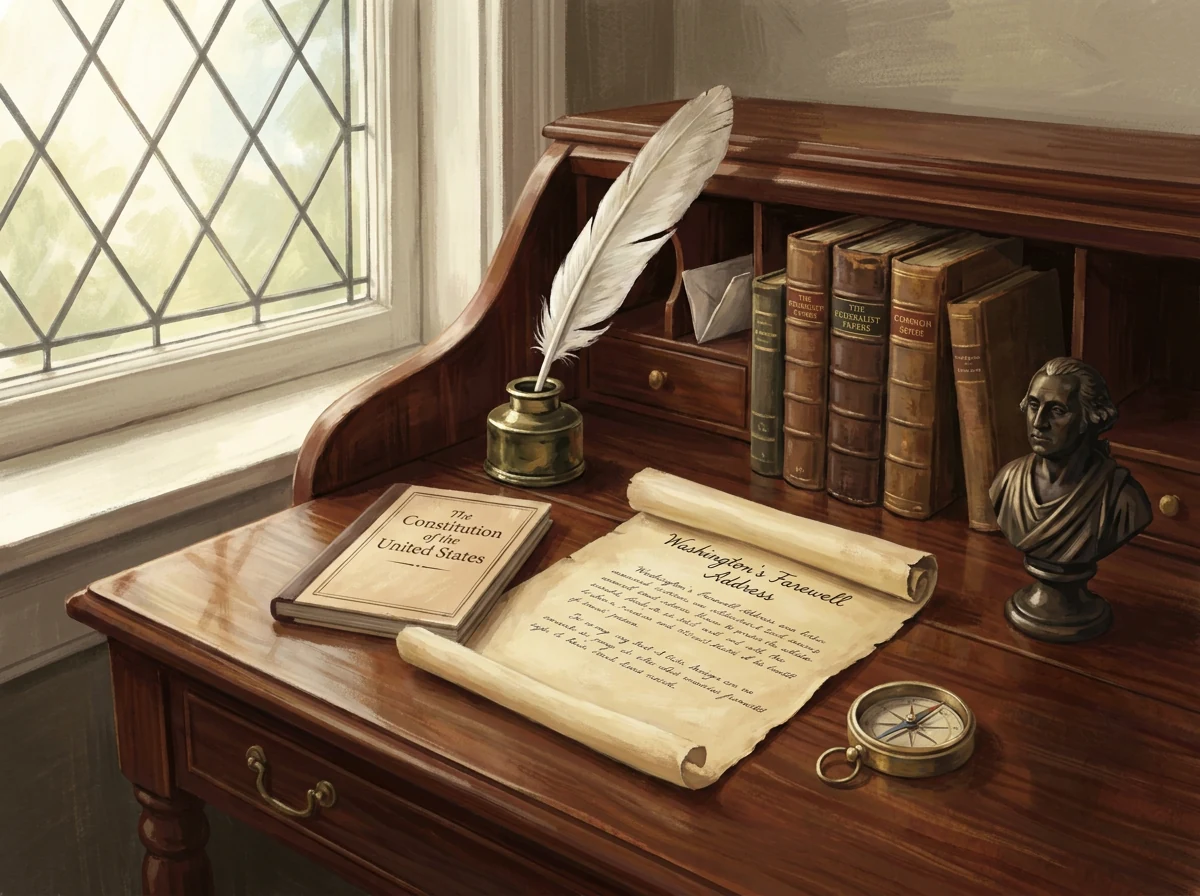
Two Centuries of Honoring American Leadership
Key milestones in the evolution of Washington's Birthday and Presidents' Day
Washington Publishes Farewell Address
Retiring voluntarily after two terms, Washington warns against factional hyper-partisanship and foreign entanglements, solidifying republican tradition.
First Individual Federal Holiday Enacted
President Rutherford B. Hayes signs legislation designating Washington's Birthday as a legal federal holiday for government employees.
Senate Farewell Address Tradition Begins
The U.S. Senate establishes the annual continuous tradition of reading Washington's 7,641-word Farewell Address aloud on the Senate floor.
Uniform Monday Holiday Act Passed
Congress moves the federal observance to the third Monday in February to create regular three-day weekends, catalyzing the cultural shift to 'Presidents' Day.'
Modern Observance Takes Full Effect
The law takes effect nationwide. While federal statutes retain 'Washington's Birthday', states, schools, and civic bodies embrace honoring all presidents.
How America Celebrates Presidents' Day
Time-honored traditions, solemn wreath-layings, and living history across the nation
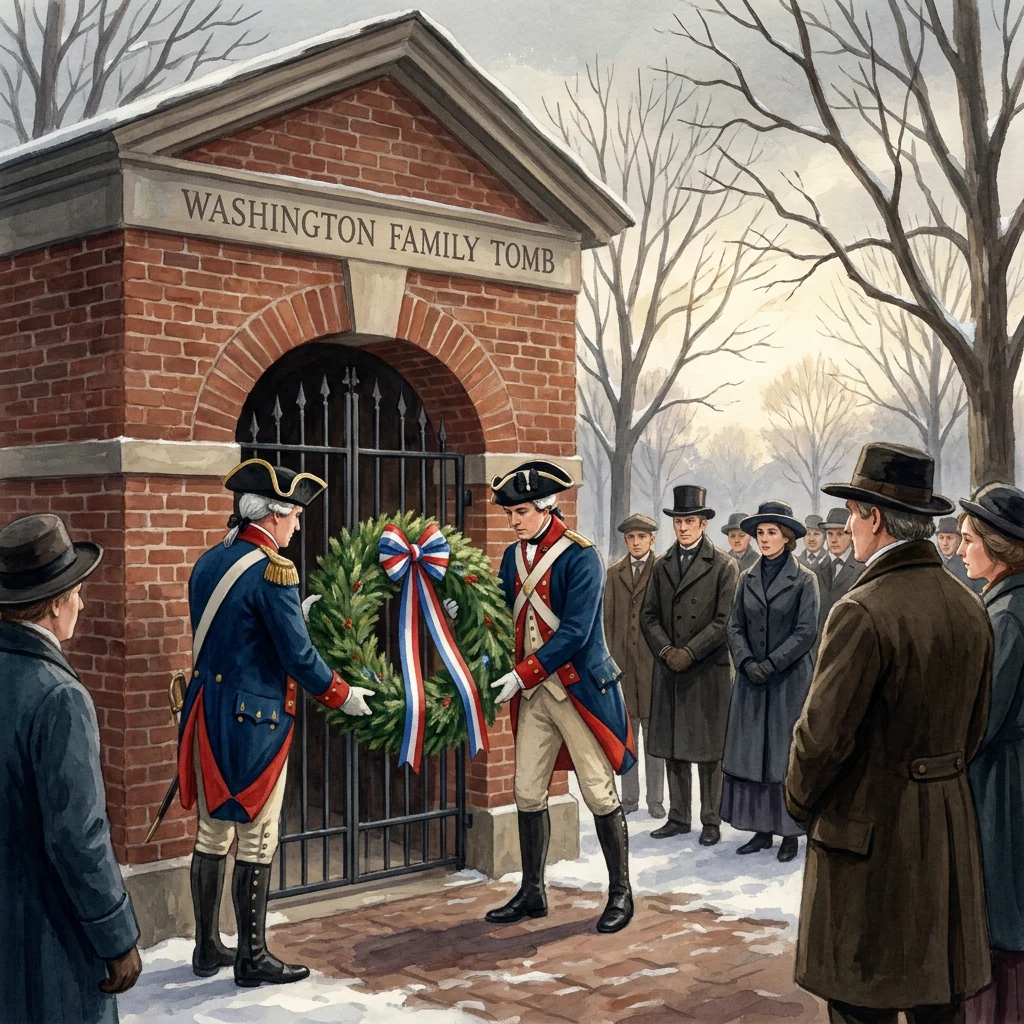
Mount Vernon Wreath-Laying & Tomb Ceremonies
Ceremonial military honor guards lay wreaths at Washington's brick tomb overlooking the Potomac River, followed by public patriotic salutes and free estate admission.
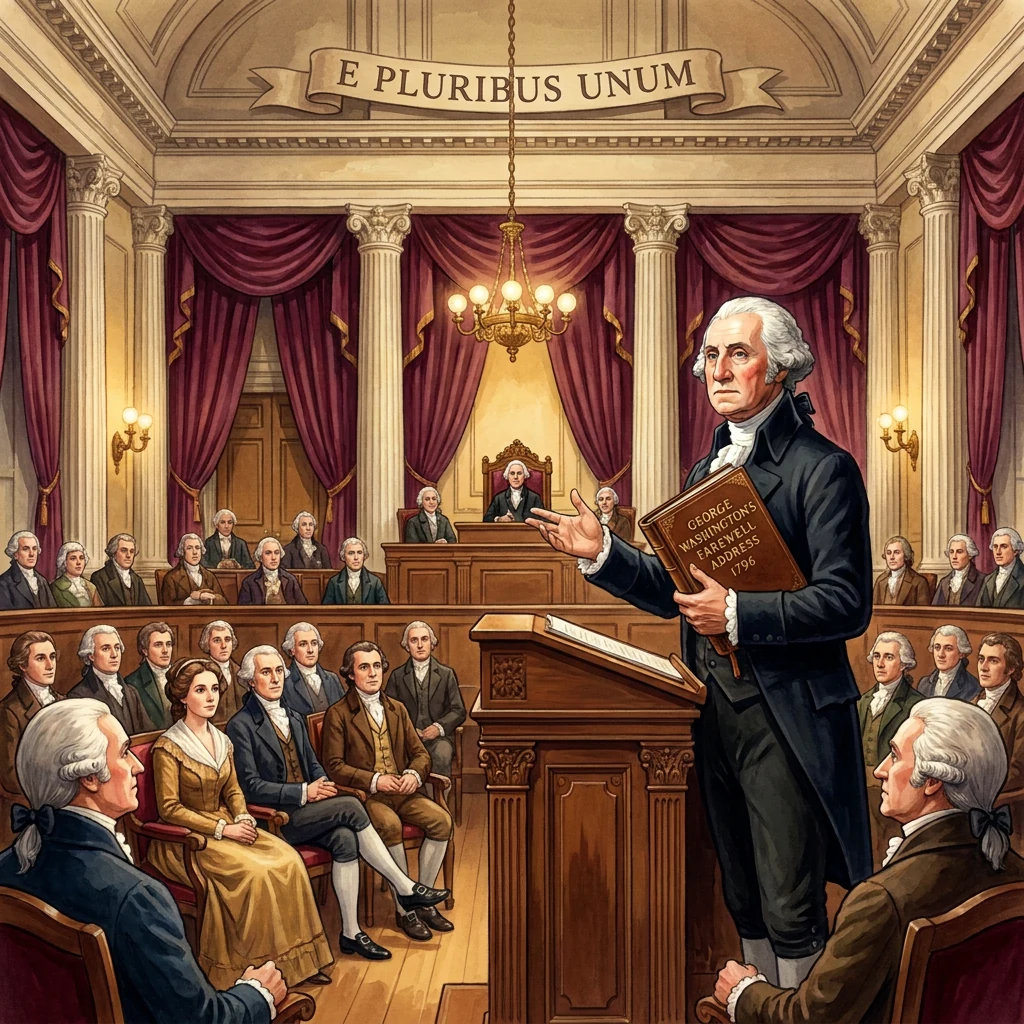
Reading Washington's Farewell Address
Since 1896, a designated member of the United States Senate reads George Washington's 7,641-word Farewell Address aloud in the Senate Chamber.
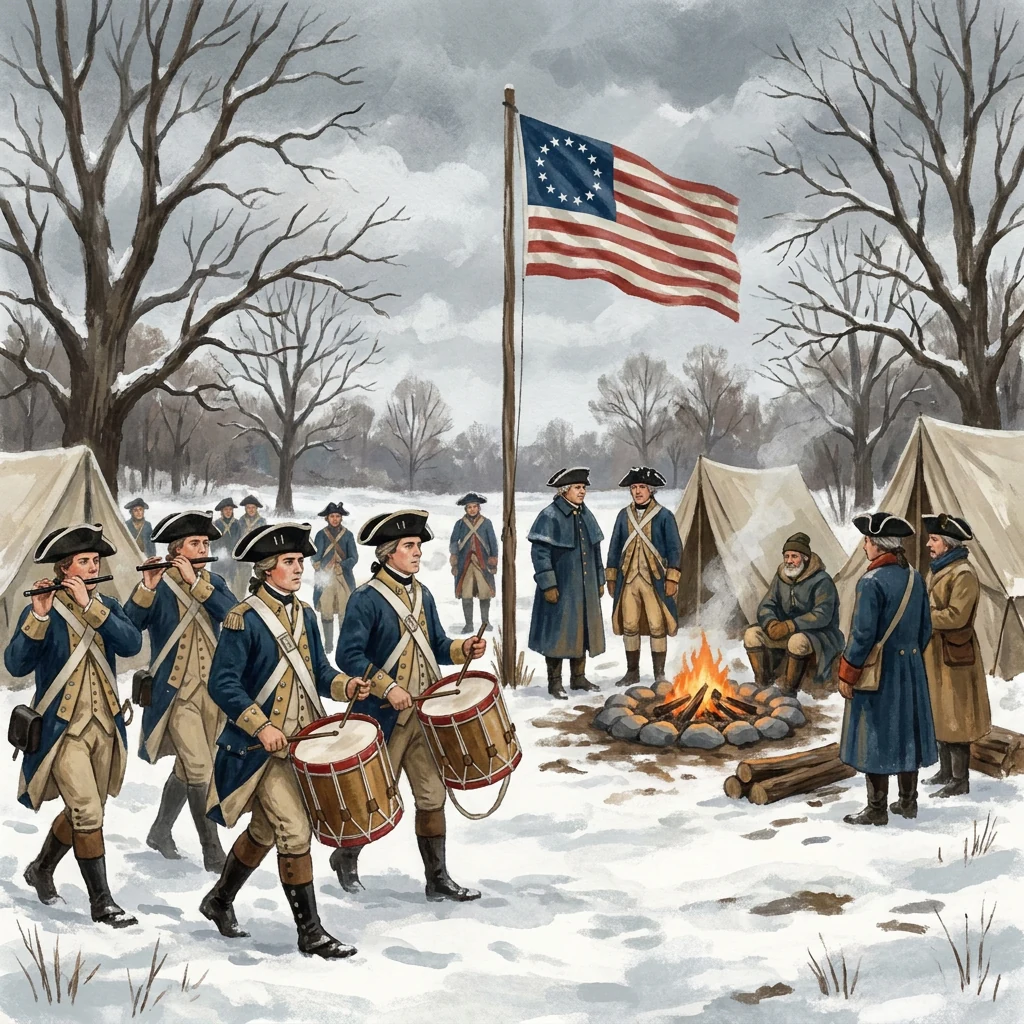
Revolutionary War Living History Encampments
National historical parks like Valley Forge host fife and drum corps, flintlock musket demonstrations, and historic interpreters depicting the harsh 1777–1778 winter encampment.
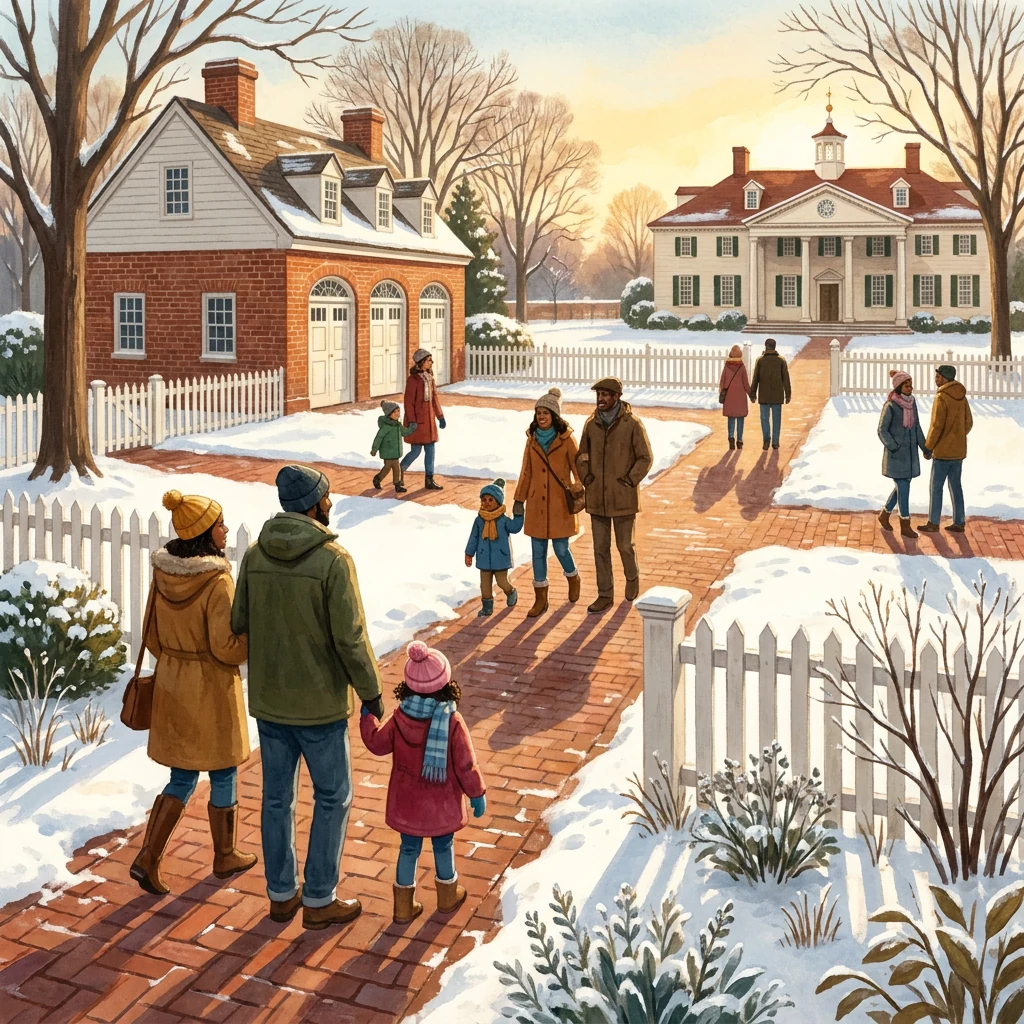
Presidential Home & Memorial Pilgrimages
Thousands of visitors tour presidential sites nationwide, from Washington's Mount Vernon and Lincoln's birthplace in Kentucky to Monticello and presidential libraries.
Meaningful Ways to Observe Presidents' Day
Enrich your long weekend with historic discovery, winter adventures, and civic reflection
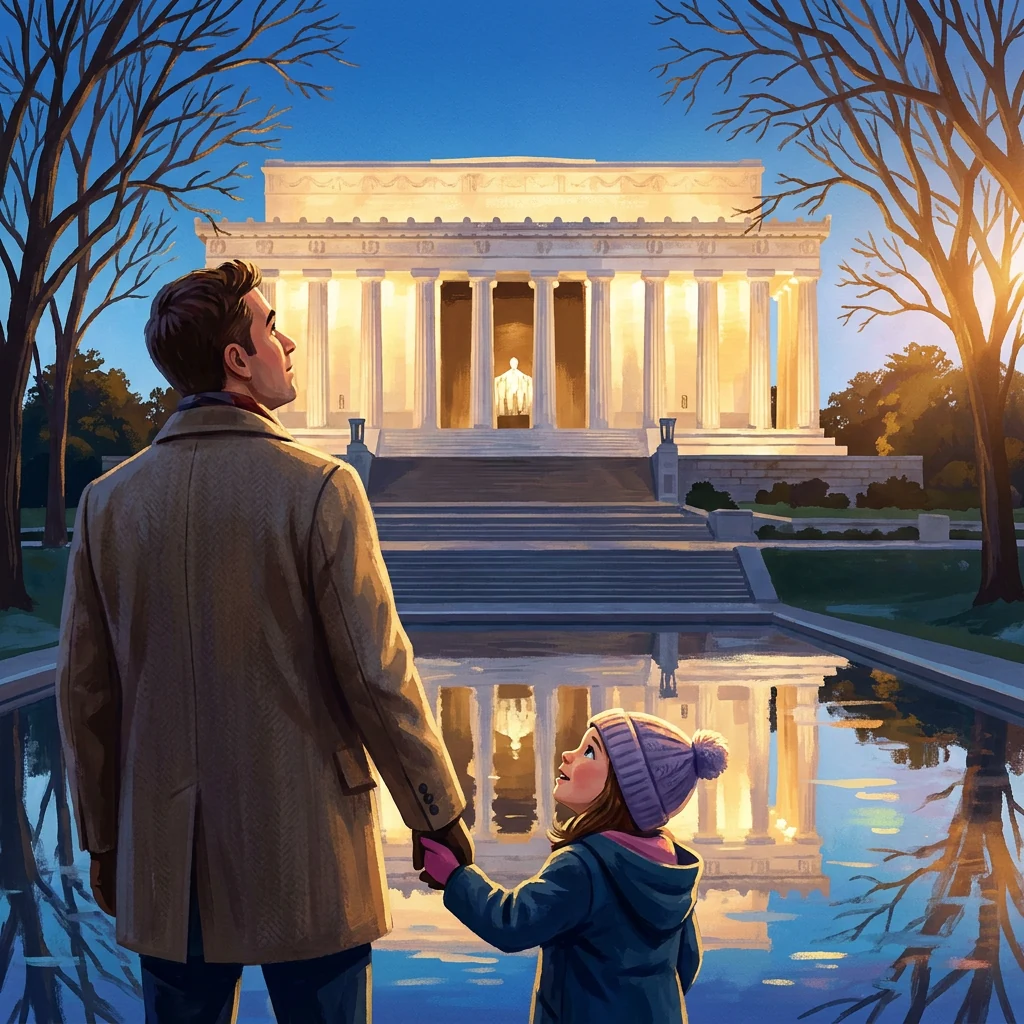

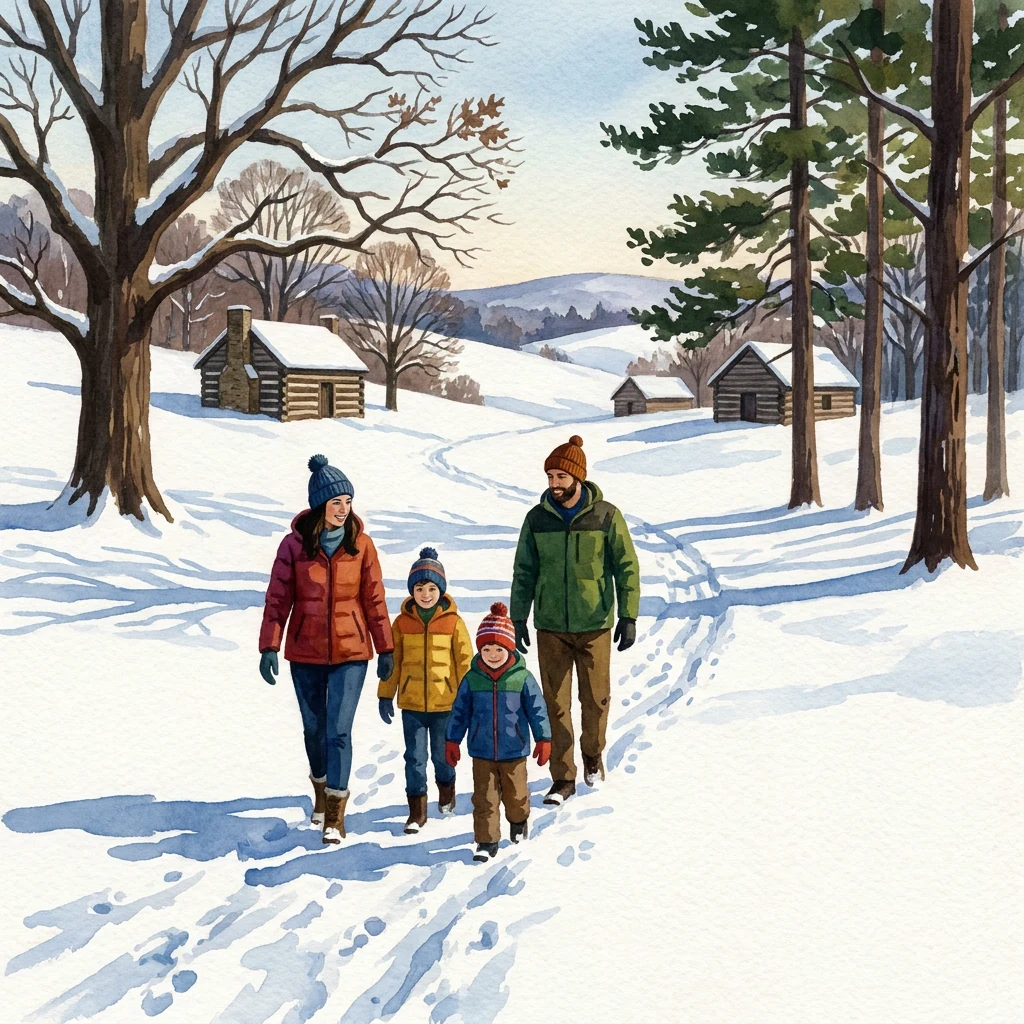
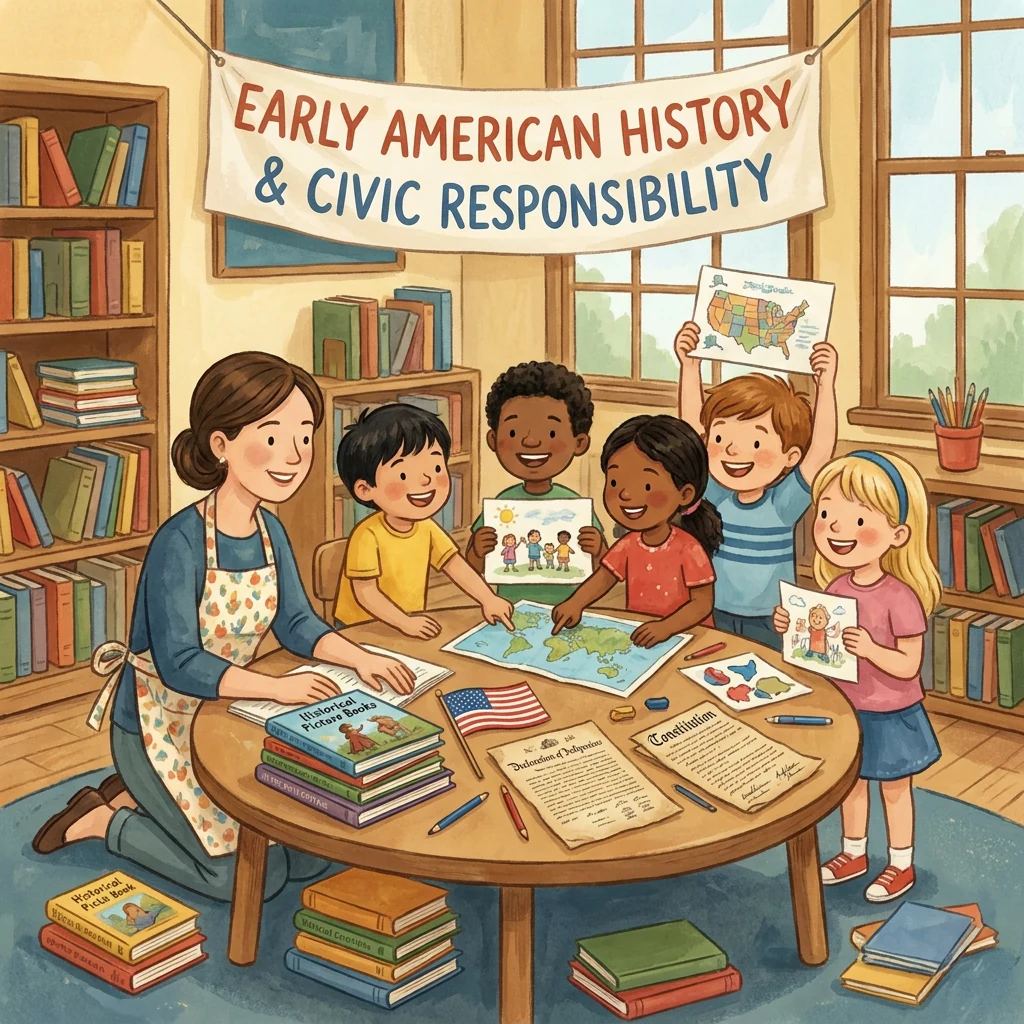
Presidents' Day Long Weekend Planner
Maximize your mid-winter three-day weekend without using annual leave
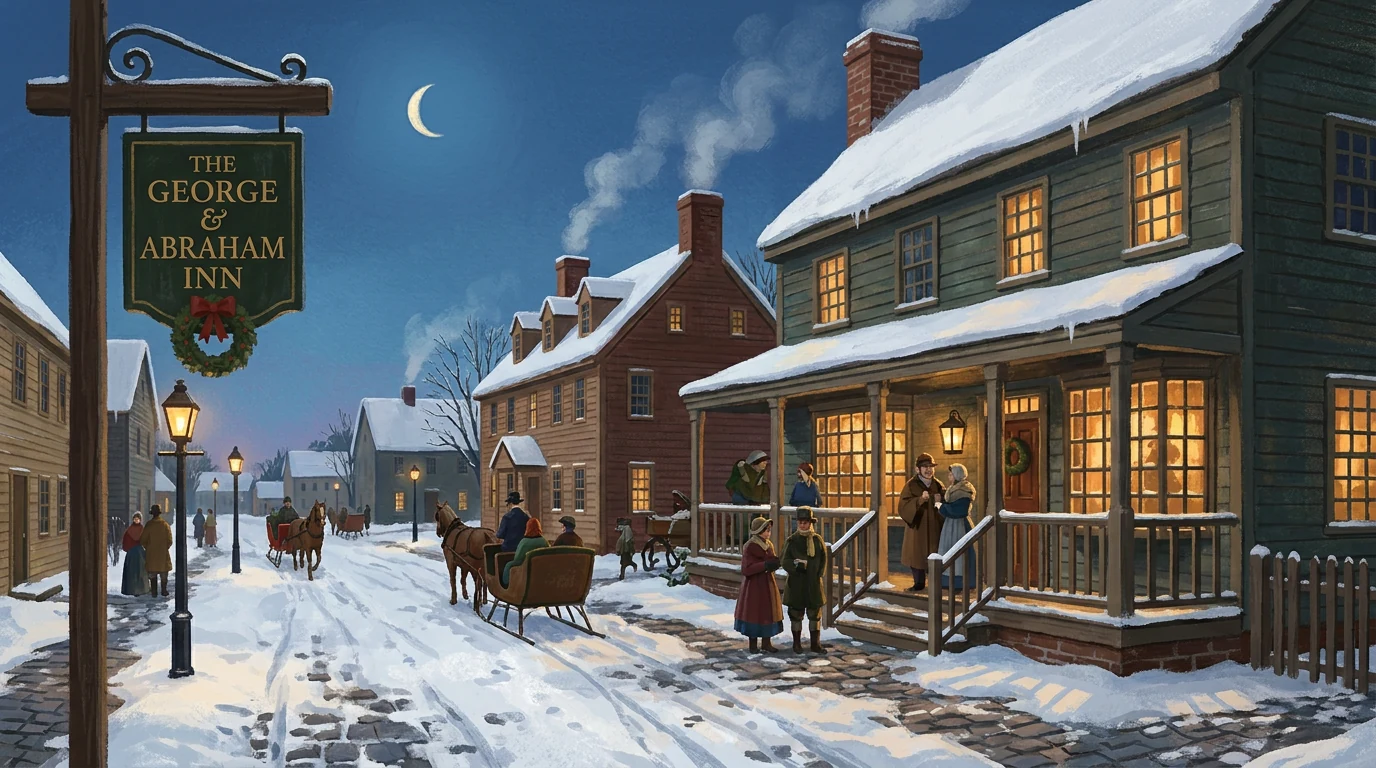 A Cozy Mid-Winter Colonial Retreat
3-Day Weekend
Feb 13 – Feb 15, 2027Because Washington's Birthday is statutorily observed on the third Monday of February, all Americans receive a built-in three-day holiday weekend. It is one of the premier weekends of the winter season for snow skiing, historic heritage getaways, and colonial town retreats.
- Time away
- 3 days
- Leave needed
- None
- Planning tip
- Perfect for a quick getaway
Did You Know? Facts About Presidents' Day
Fascinating historical truths behind America's celebration of executive leadership
Still Officially 'Washington's Birthday'
Under Title 5 of the United States Code (5 U.S.C. § 6103(a)), the federal legal holiday is officially designated 'Washington's Birthday.' Congress has repeatedly considered but never enacted legislation to officially change the federal name to 'Presidents' Day.'
It Never Falls on Washington's Actual Birthday
George Washington was born on February 22, 1732 (under the Gregorian calendar). Under the Uniform Monday Holiday Act, the third Monday of February can only fall between February 15 and February 21, meaning the federal holiday never coincides with his real birthday.
The Cherry Tree Legend Was Invented
The beloved fable of young George Washington confessing 'I cannot tell a lie' after chopping down a cherry tree was invented by biographer Mason Locke Weems in 1800 to illustrate virtuous leadership to young readers.
State-Level Independence
Because individual states set their own legal holidays, some states officially observe 'Washington and Lincoln Day', others celebrate 'Presidents' Day', while Virginia explicitly designates the holiday as 'George Washington Day'.
Frequently Asked Questions
Everything you need to know about Presidents' Day schedules, history, and observances
Yes. Under federal statutory law (5 U.S.C. § 6103(a)), the third Monday in February is an official legal public holiday. All non-essential federal government offices, federal courts, and federal agencies are closed, and federal employees receive paid holiday leave.
When Congress enacted the Uniform Monday Holiday Act in 1968, some lawmakers proposed combining Washington's birthday (Feb 22) and Lincoln's birthday (Feb 12) into a single 'Presidents' Day.' While that proposal failed in Congress, retail advertisers and many state legislatures rapidly popularized 'Presidents' Day' to promote sales and honor both leaders.
Under federal law, Washington's Birthday is statutorily anchored to the third Monday of February every year. Therefore, it never requires Saturday or Sunday in-lieu observance rollover; it always produces a three-day holiday weekend from Saturday through Monday.
No. All branches of the United States Postal Service (USPS) are closed with no regular mail delivery. The Federal Reserve and commercial banks are closed. Major financial markets, including the New York Stock Exchange (NYSE) and Nasdaq, observe a full day trading holiday.
States have full authority over their own state holiday designations. Several states, such as Illinois, Connecticut, and California, historically recognized Lincoln's Birthday on February 12 as a distinct state holiday or officially designate the third Monday as 'Washington and Lincoln Day.' Others, like Virginia, honor only Washington.
More American Holidays & Celebrations
Explore other cherished national holidays and traditions across the United States