The Story Behind the Autumn Holiday
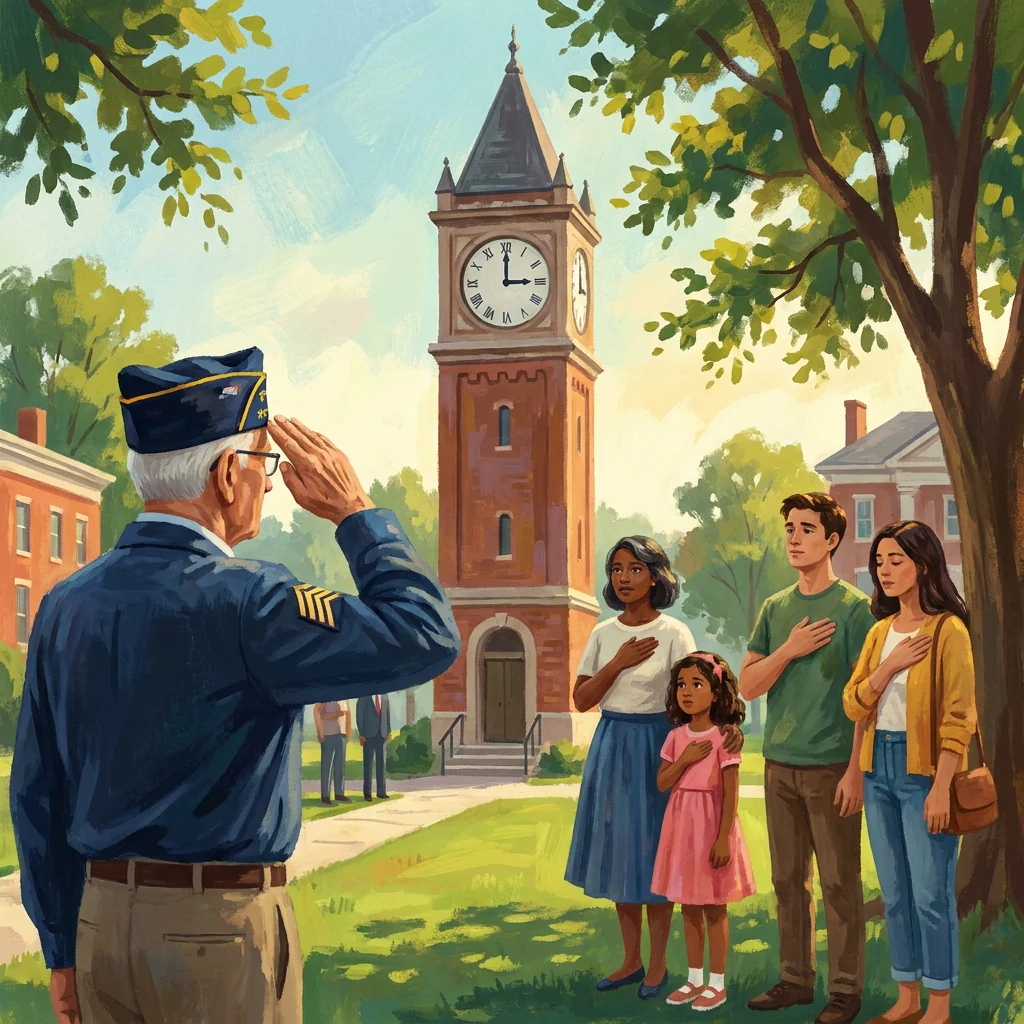
Observed across the nation on the second Monday of October, Columbus Day commemorates the historic 1492 transatlantic voyage that connected the Americas with Europe. First recognized nationally by President Benjamin Harrison in 1892, the holiday became a cornerstone of Italian-American civic pride and cultural heritage.
In recent decades, communities and states nationwide concurrently celebrate Indigenous Peoples' Day alongside Columbus Day. This dual observance honors Native sovereignty, ancestral traditions, and enduring resilience, fostering meaningful dialogue and cross-cultural understanding across American history.
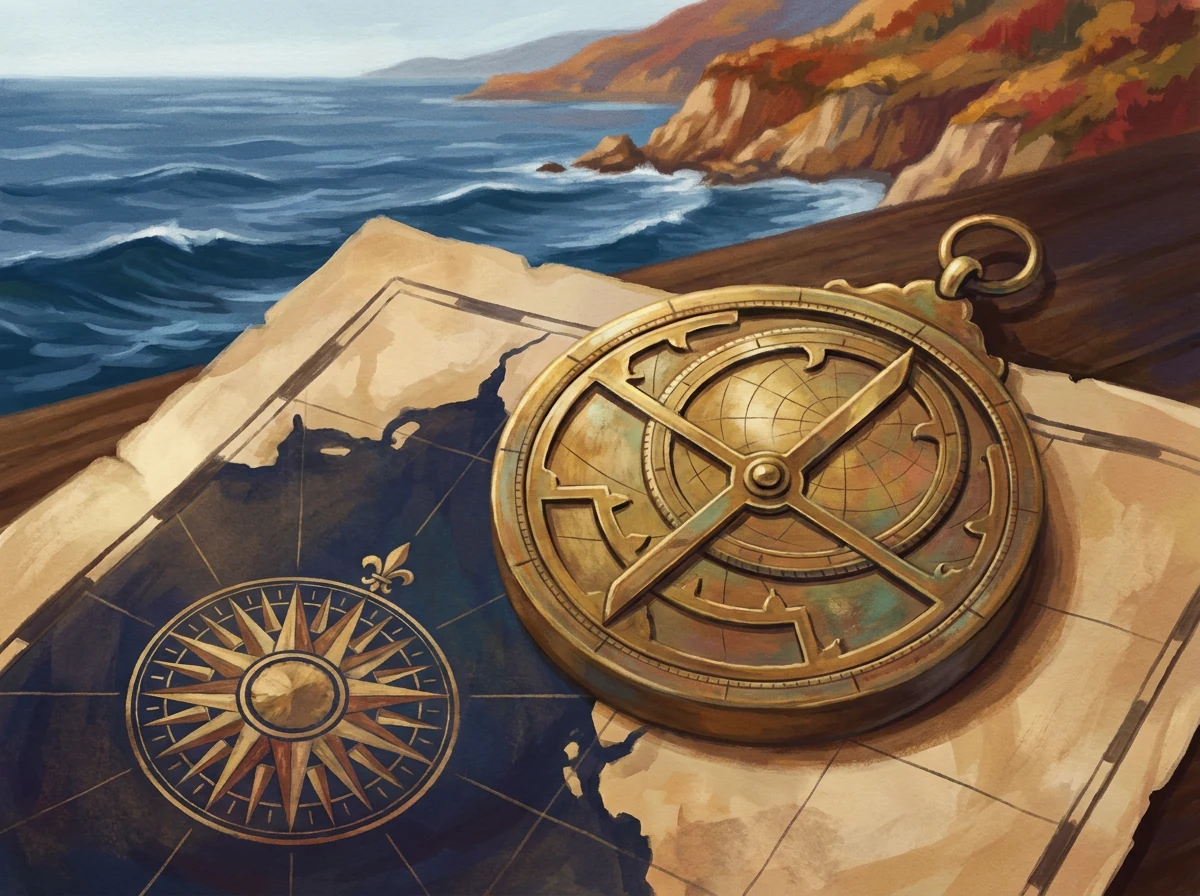
Milestones in American Commemoration
Key moments from the 1492 Atlantic landfall to modern nationwide recognition.
Atlantic Landfall
Lookout Rodrigo de Triana sights land on October 12, marking the arrival of Columbus's expedition in the Bahamas.
Harrison Proclamation
President Benjamin Harrison declares the 400th anniversary a national day of celebration, sparking Italian-American civic pride.
Federal Holiday Enacted
President Franklin D. Roosevelt signs legislation establishing Columbus Day as an annual federal legal public holiday.
Indigenous Peoples' Day
Berkeley, California, becomes the first city to adopt Indigenous Peoples' Day on the 500th anniversary of Columbus's landfall.
Dual Commemoration
Communities nationwide balance federal statutory observance with Indigenous cultural powwows and historical reflection.
How the Holiday Is Observed Today
From Fifth Avenue parades and Native powwows to museum exhibits and civic ceremonies.
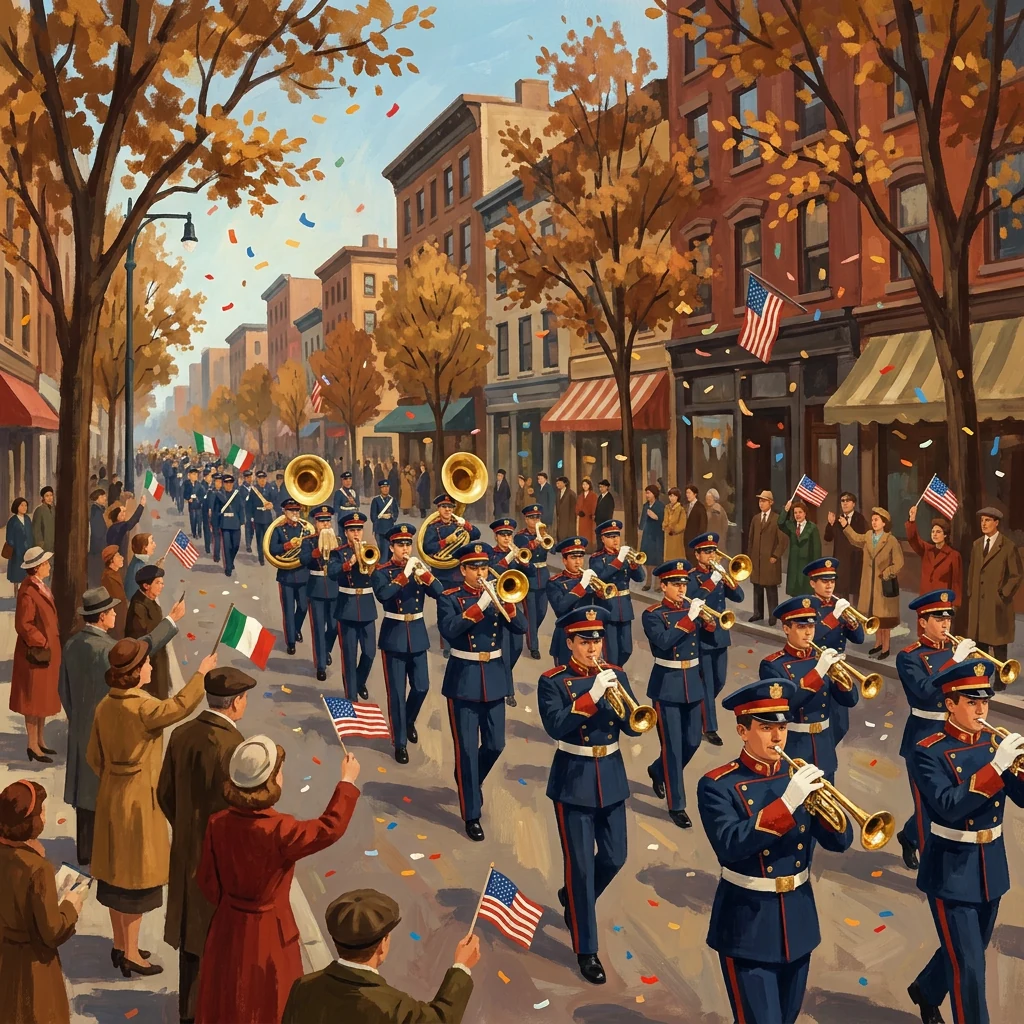
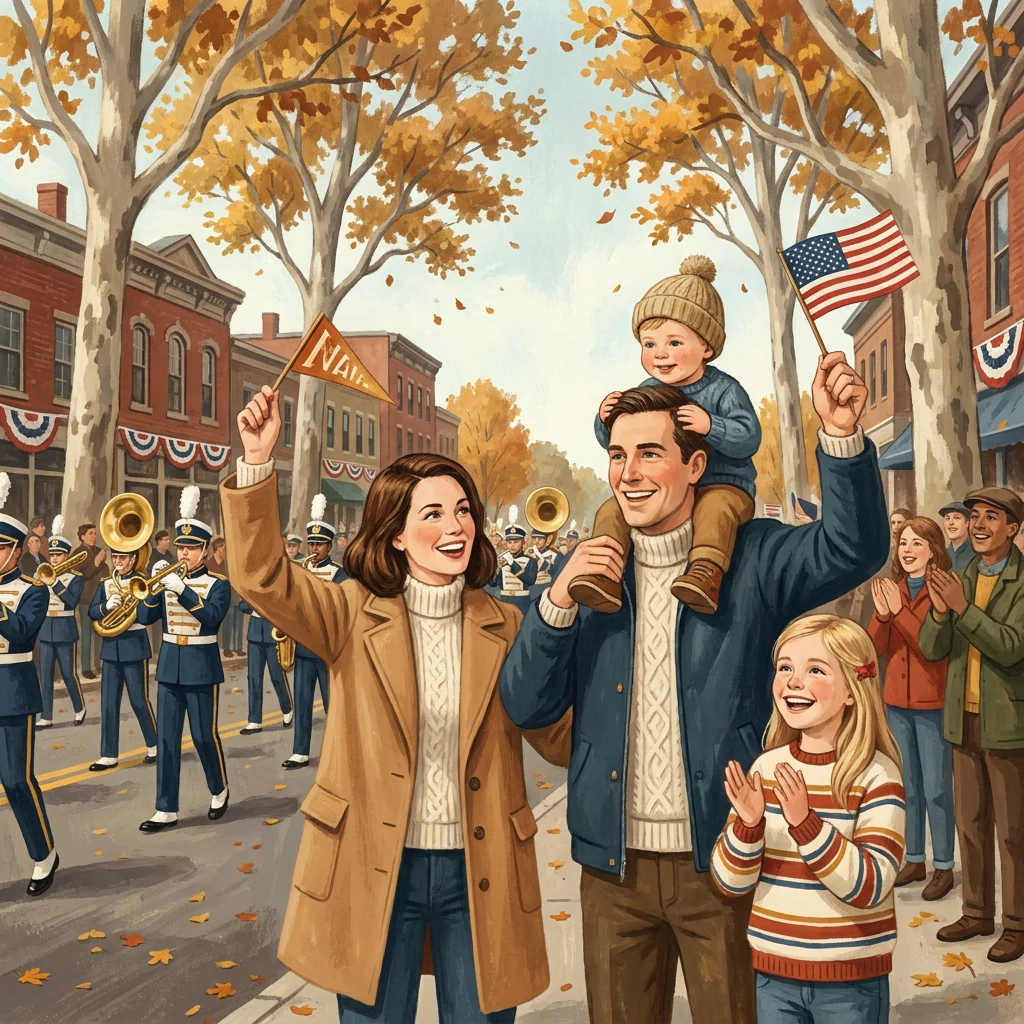
Italian-American Heritage Parades
Grand civic parades feature marching brass bands, tricolor floats, civic organizations, and traditional Italian folk music.
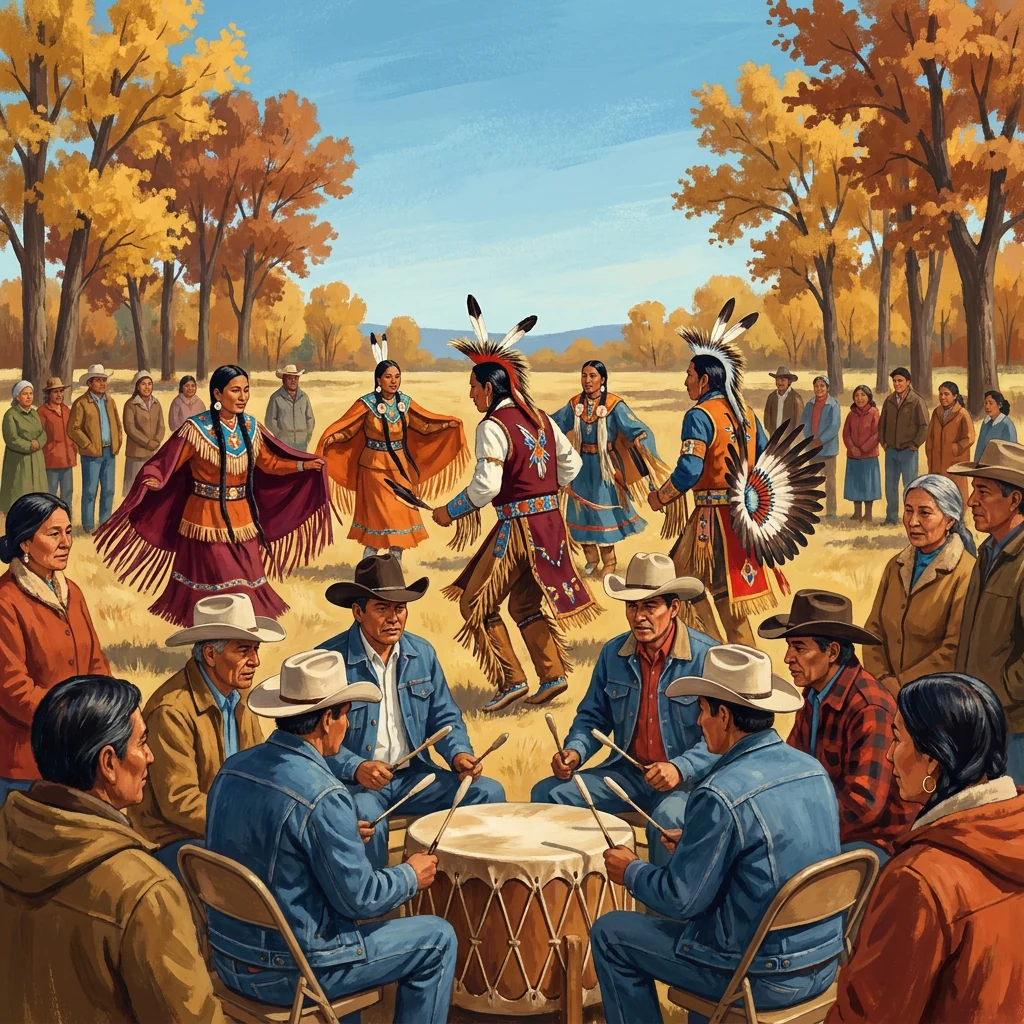
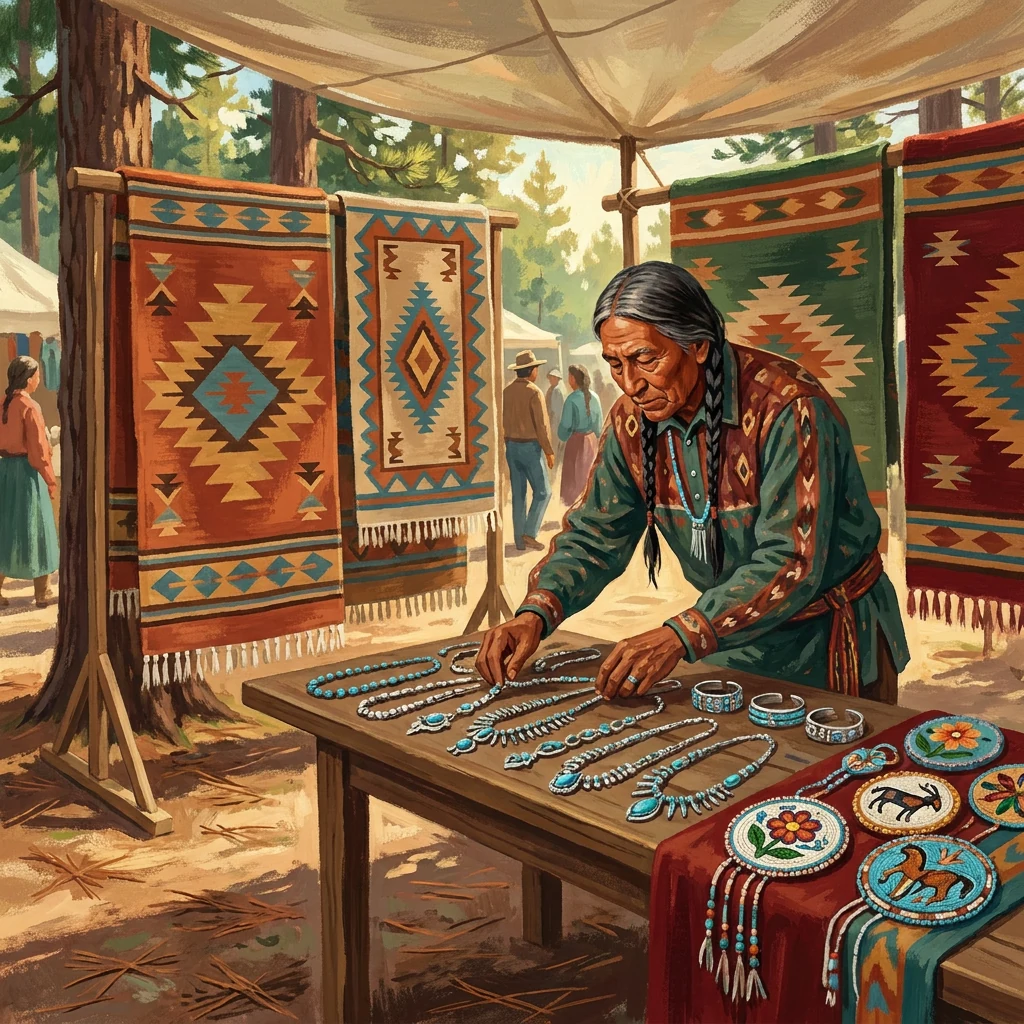
Indigenous Powwows & Dances
Native nations gather for ceremonial dances, traditional drum circles, regalia competitions, and cultural storytelling.
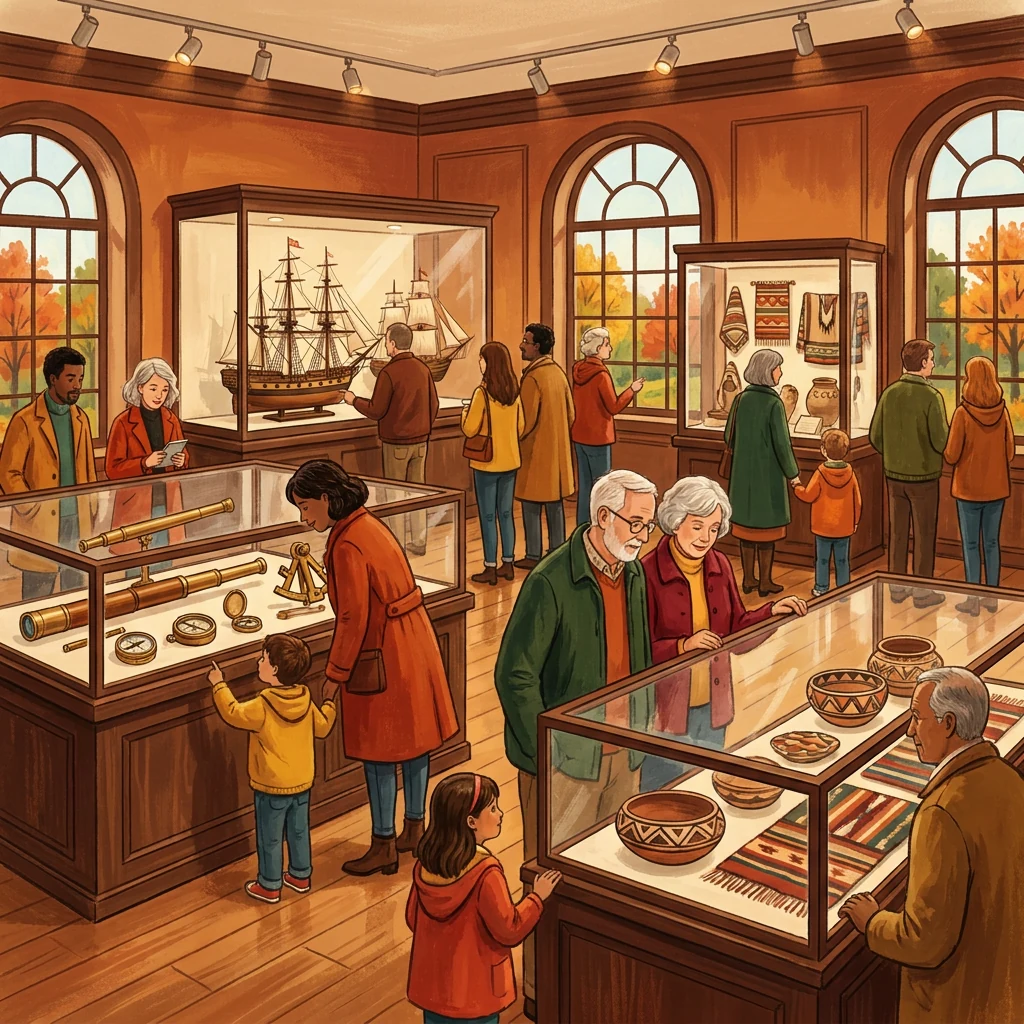
Museum Galleries & Exhibits
Cultural institutions host educational exhibits exploring navigational history, cartography, and Native American heritage.
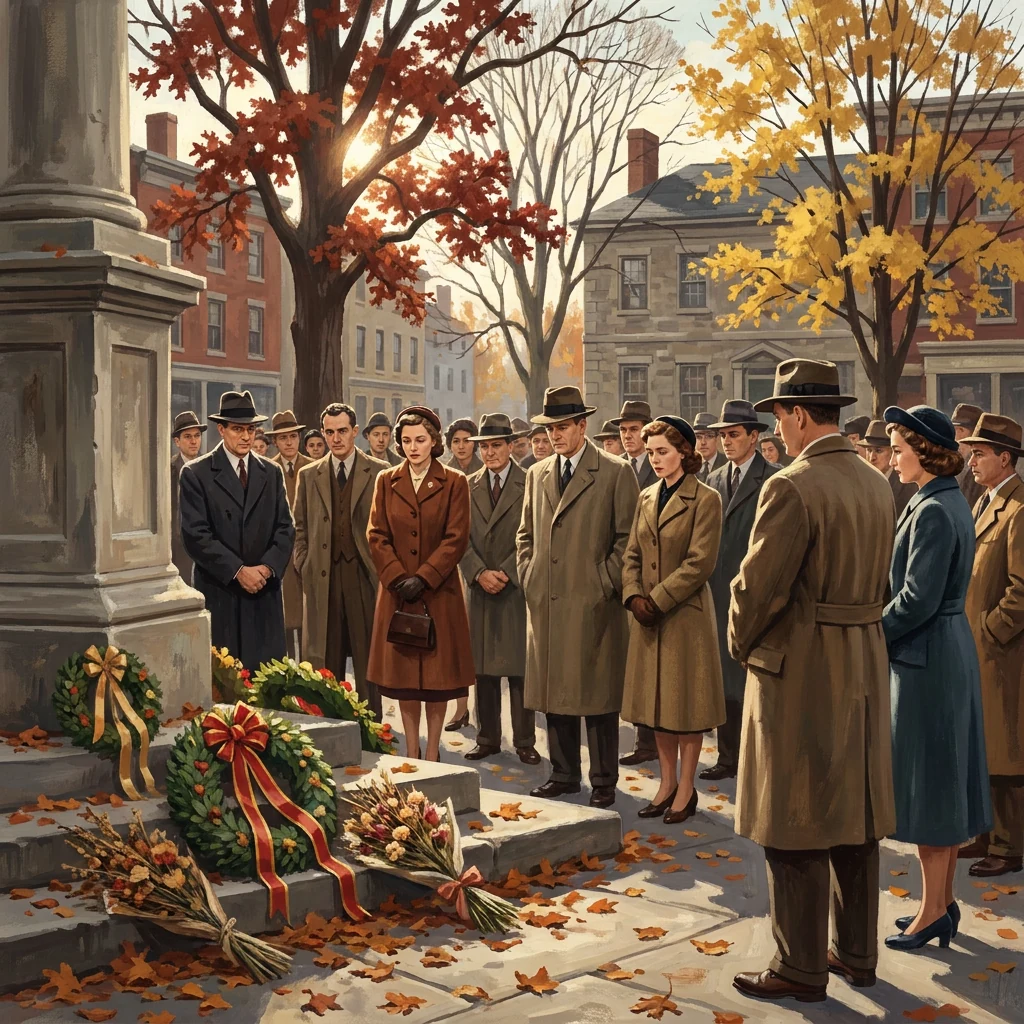
Civic Remembrance & Wreath Ceremonies
Municipal ceremonies honor immigrant pioneers and Indigenous ancestors with floral wreaths and reflective addresses.
Popular Things to Do
Ways to celebrate heritage, learn history, and enjoy the peak autumn long weekend.
Columbus Day 3-Day Weekend Planner
Make the most of the guaranteed October long weekend at the height of autumn foliage.
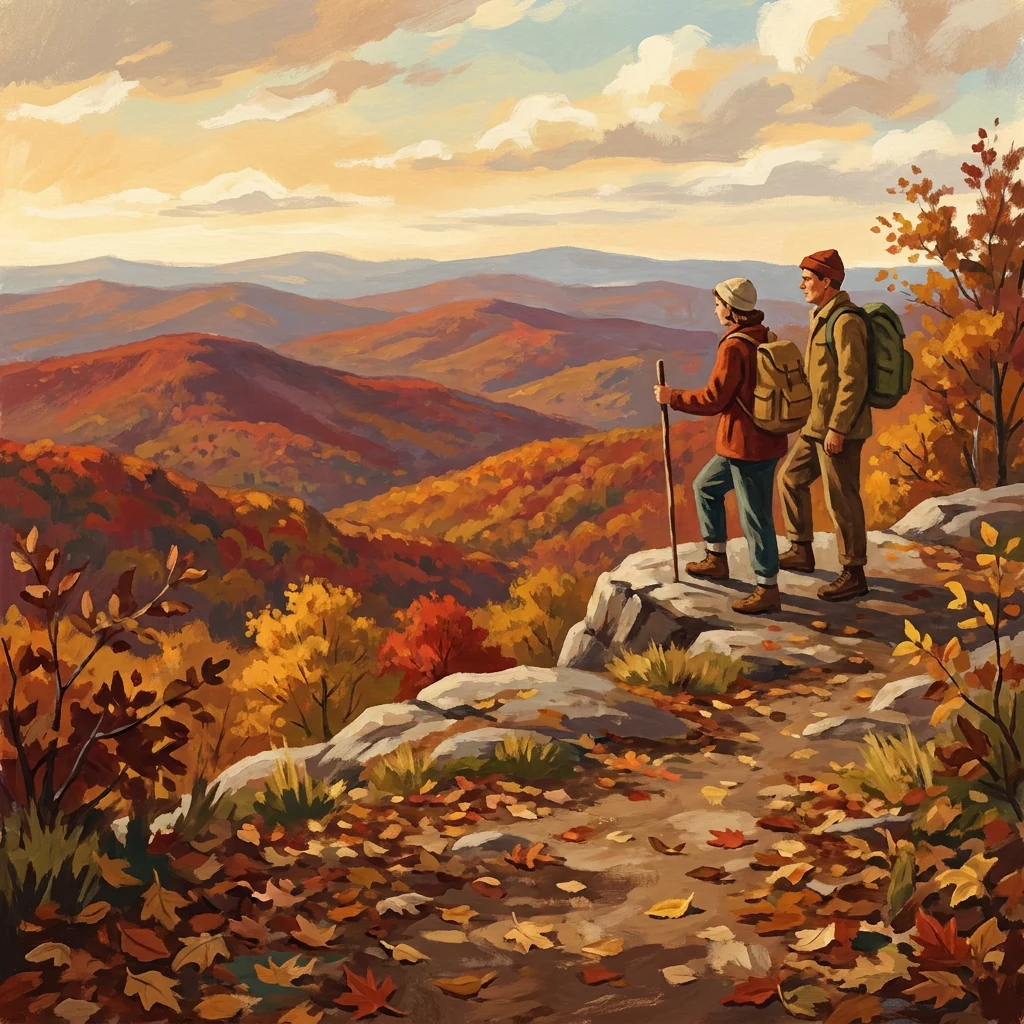
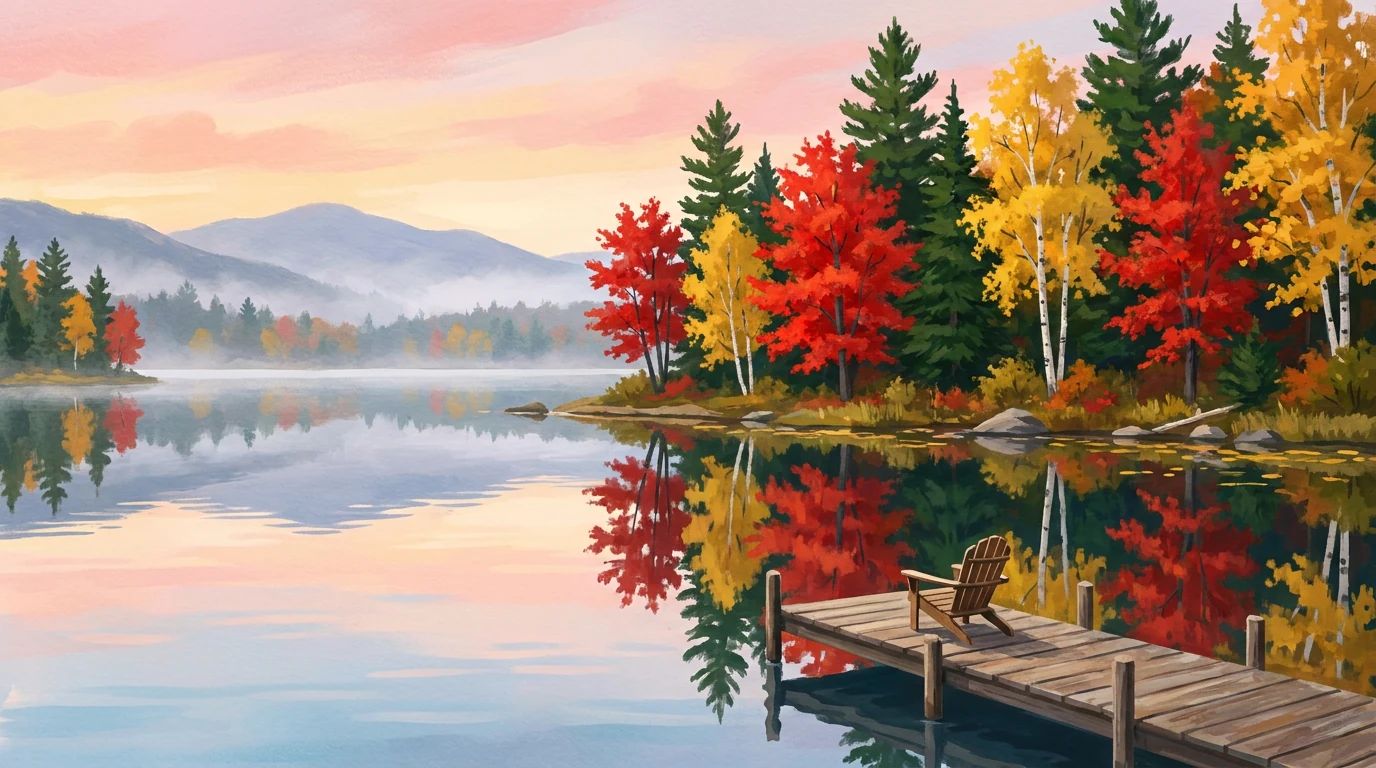 Peak autumn foliage. Mirrored waters.
3-Day Weekend
Oct 10 – Oct 12, 2026Because Columbus Day is federally fixed to the second Monday of October under the Uniform Monday Holiday Act, it reliably creates a three-day weekend coinciding with peak New England and Appalachian fall foliage.
- Time away
- 3 days
- Leave needed
- None
- Planning tip
- Perfect for a quick getaway
Did You Know? Autumn Holiday Facts
Fascinating historical facts about Columbus Day and Indigenous Peoples' Day.
Dual Recognition
More than a dozen states and over 130 municipalities officially observe Indigenous Peoples' Day either alongside or in place of Columbus Day.
First Federal Proclamation
President Benjamin Harrison issued the first national Columbus Day proclamation in 1892 following the tragic New Orleans lynchings to honor Italian Americans.
Navigational Science
Columbus relied on the mariner's quadrant, magnetic compass, and dead reckoning across uncharted Atlantic waters in 1492.
Federal Holiday Status
Columbus Day is one of eleven official U.S. federal public holidays under 5 U.S.C. 6103, closing federal offices, courts, and mail delivery.
Frequently Asked Questions
Essential information about Columbus Day and Indigenous Peoples' Day observances.
Yes. Columbus Day is one of eleven official federal legal public holidays designated by Congress under Title 5 of the United States Code (5 U.S.C. 6103). Federal executive departments, federal courthouses, and U.S. Postal Service branches are closed.
The Federal Reserve and most commercial retail banks are closed. The U.S. bond market is closed, but the New York Stock Exchange (NYSE) and Nasdaq remain open for regular trading. School closures vary by district and state policy.
Observances include Italian-American heritage parades (such as New York City's Fifth Avenue parade), Native American cultural gatherings, intertribal powwows, museum exhibits, fall foliage outdoor activities, and educational symposiums.
Indigenous Peoples' Day honors the cultures, histories, sovereignty, and resilience of Native American nations and peoples. It is celebrated concurrently on the second Monday of October across many states, cities, universities, and school districts.
While Christopher Columbus's expedition sighted land on October 12, 1492, the holiday was moved to the second Monday of October under the Uniform Monday Holiday Act of 1968 (effective 1971) to ensure federal workers received an annual three-day weekend.
Explore More US Holidays
Discover federal holidays and national traditions across America.