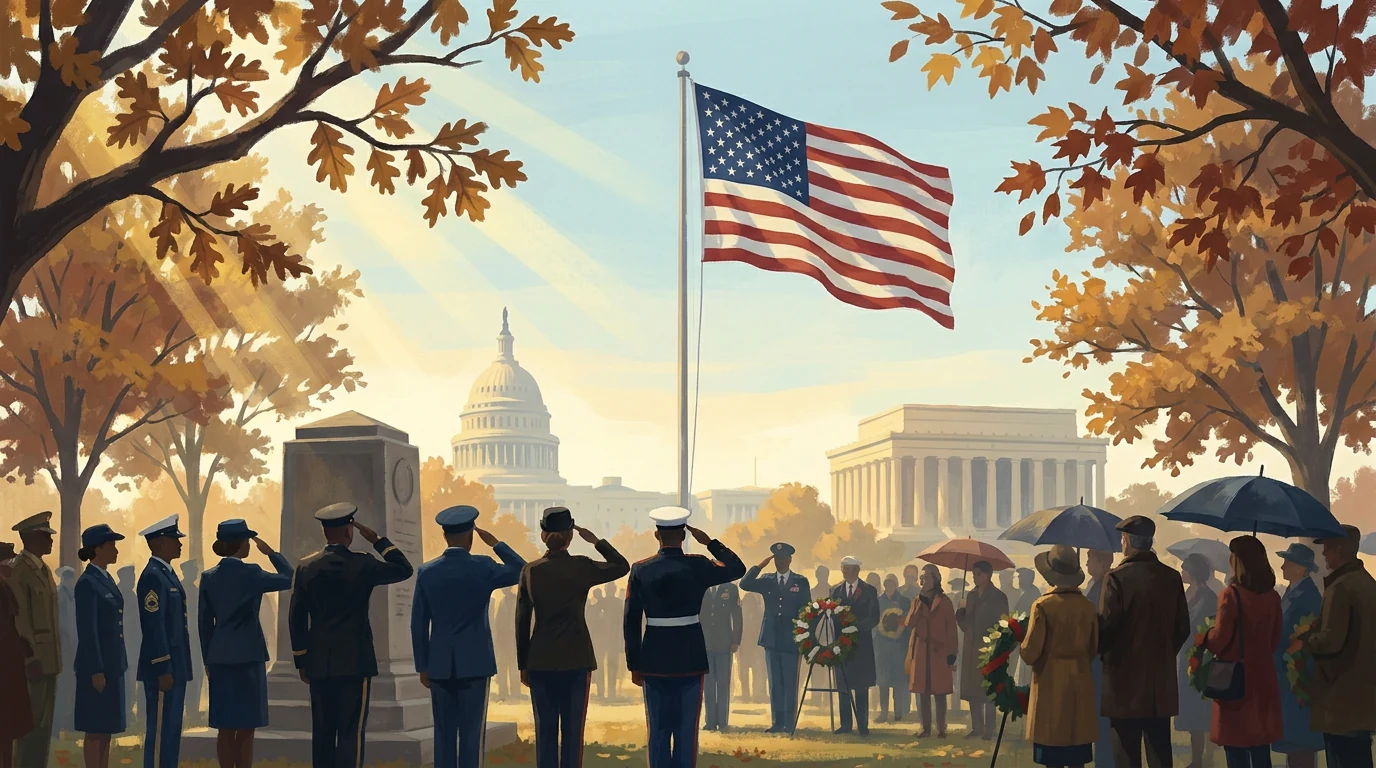
A Century of Solidarity, Craftsmanship & Workers' Dignity
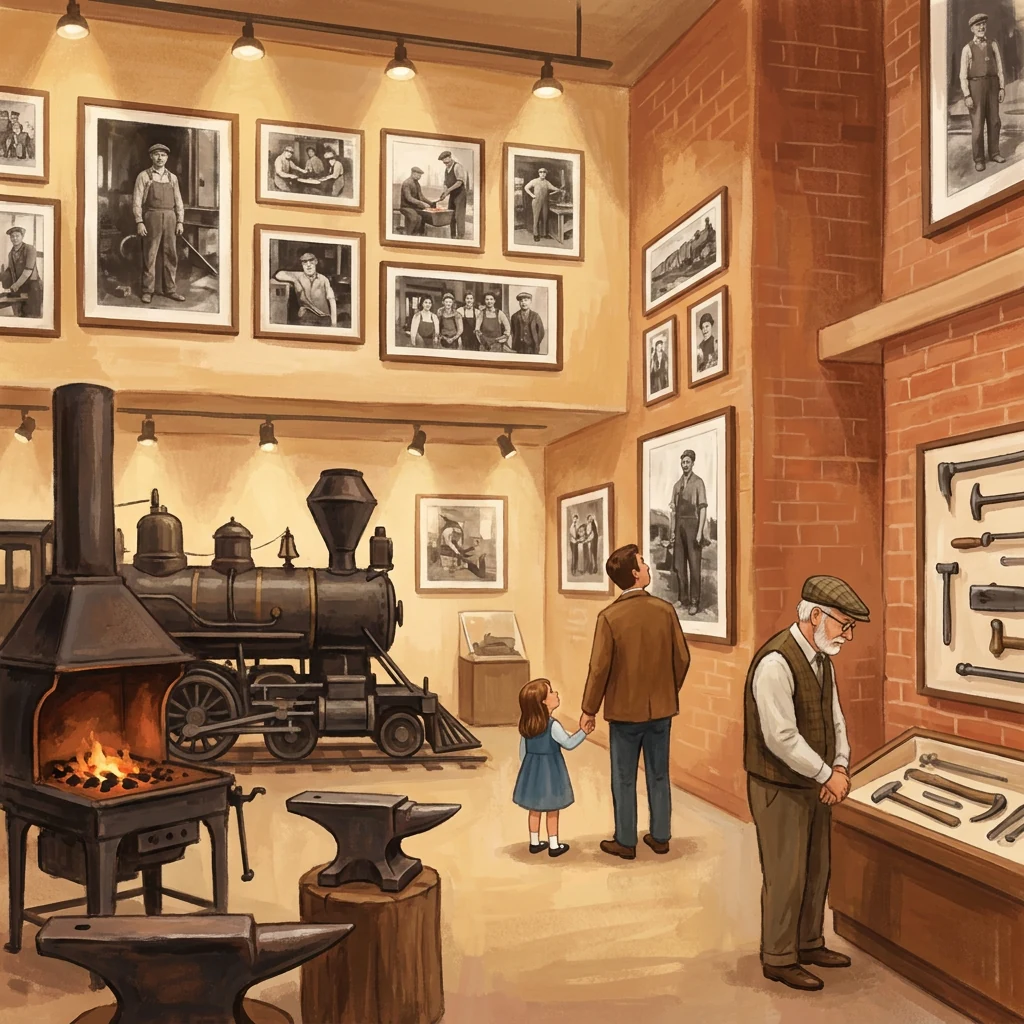
On September 5, 1882, twenty thousand union tradespeople marched through lower Manhattan in the nation's inaugural Labor Day parade, celebrating the dignity of craftsmanship and advocating for an eight-hour workday. Born from the industrial era's labor movement, the celebration rapidly captured state support across America.
On June 28, 1894, President Grover Cleveland signed legislation establishing Labor Day as a statutory federal legal public holiday on the first Monday in September. Today, it honors the American workforce whose dedication built the nation while serving as the festive, cherished farewell to summer.
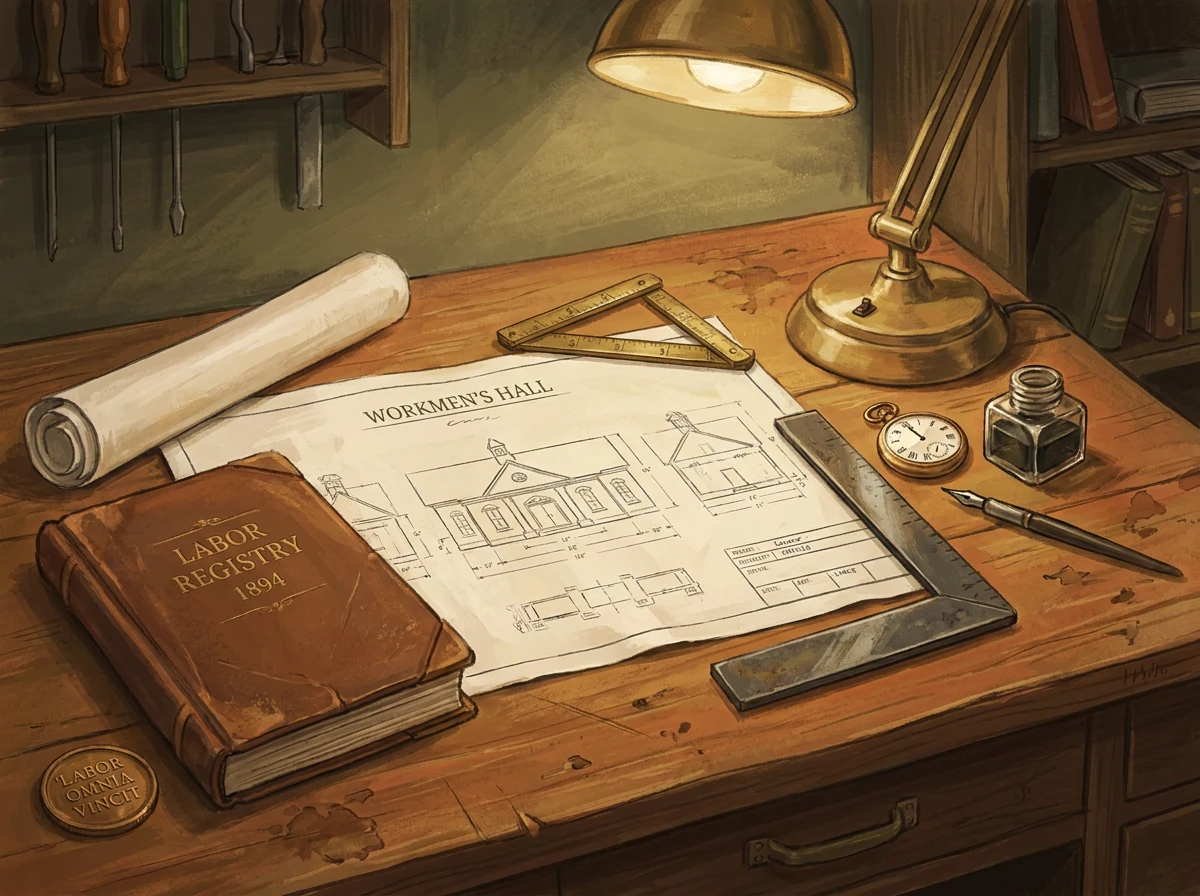
Milestones in American Labor History
Key historical moments that forged the federal holiday and transformed the rights and dignity of American workers
First Labor Day Parade in New York City
Twenty thousand workers march from Manhattan City Hall to Union Square under the Central Labor Union banner, celebrating worker solidarity with picnics and speeches.
Oregon Enacts First State Labor Day
Oregon passes a law on February 21, 1887, creating the first statutory state Labor Day holiday, prompting Colorado, Massachusetts, New Jersey, and New York to follow.
Federal Legal Holiday Enacted by Cleveland
Six days after the tragic culmination of the Pullman rail strike, President Grover Cleveland signs the Congressional act making Labor Day a federal legal holiday on the first Monday in September.
Fair Labor Standards Act Codifies 40-Hour Week
President Franklin D. Roosevelt signs landmark legislation establishing the 40-hour workweek, federal minimum wage, and federal protections against oppressive child labor.
Uniform Monday Holiday Act Permanent Alignment
The Uniform Monday Holiday Act takes effect, guaranteeing that Labor Day remains anchored to the first Monday of September, providing a permanent three-day holiday weekend.
How America Celebrates Labor Day
From historic union parades to community picnics, sunny beaches, and twilight fireworks across the country
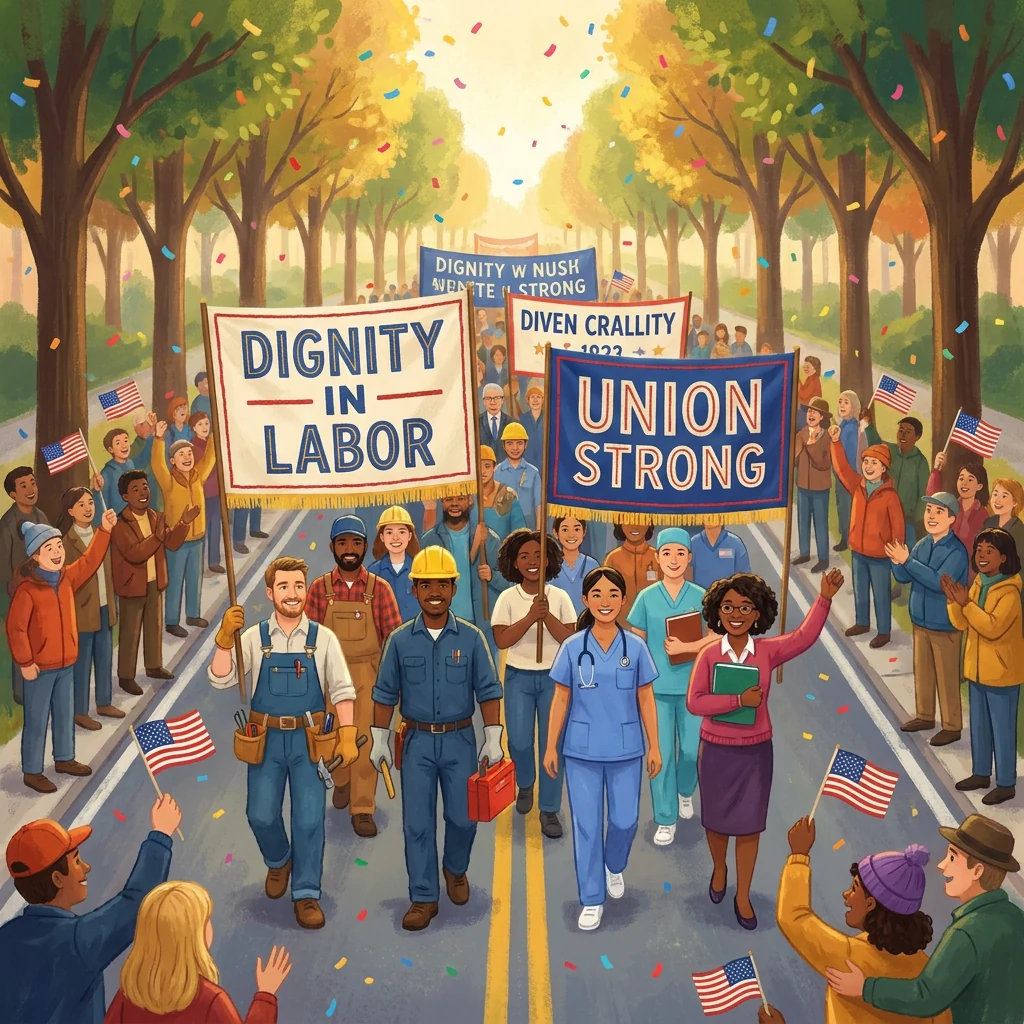
Trade Union & Civic Parades
Communities and labor unions host grand downtown parades featuring marching bands, classic union floats, civic leaders, and workers from every trade proudly carrying banners down city avenues.
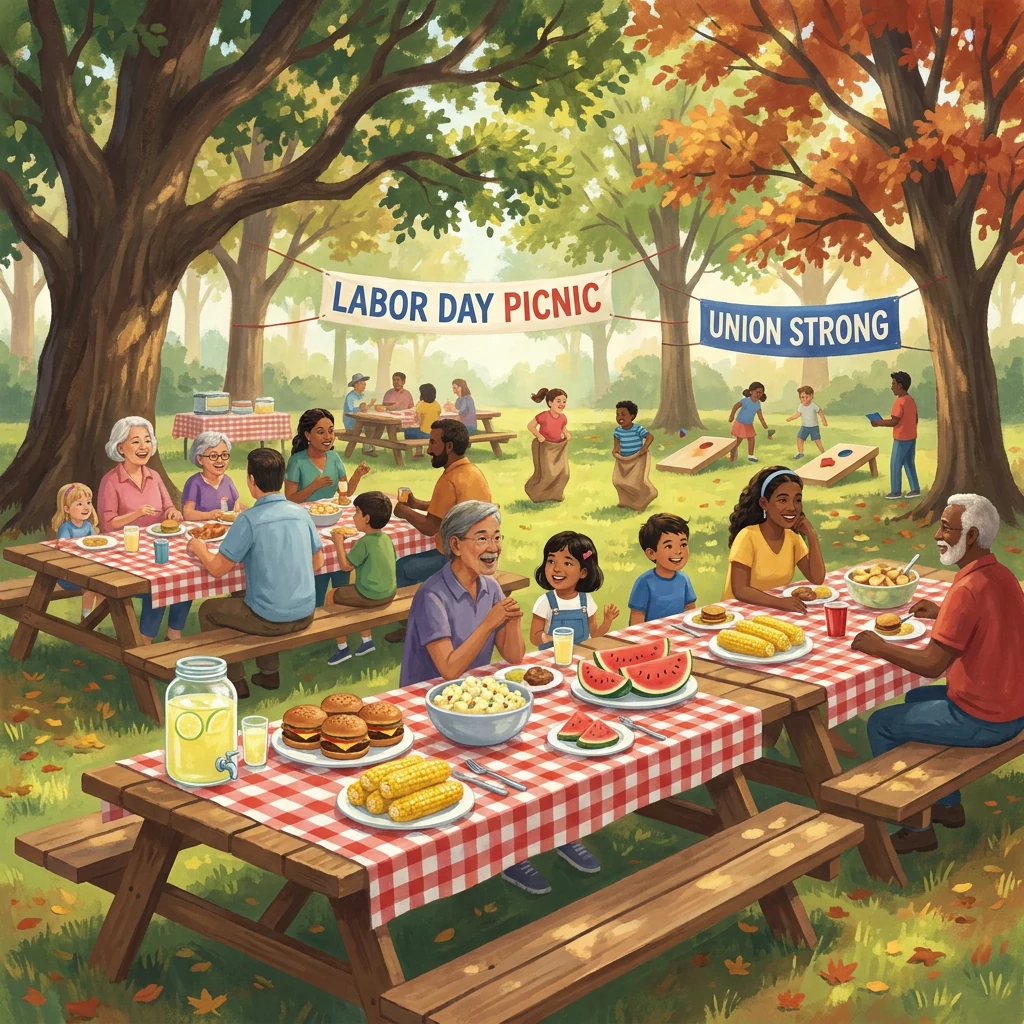
Union Picnics & Community Cookouts
Parks and union halls nationwide host festive open-air picnics where generations gather for hamburgers, sweet corn, watermelon slices, sack races, cornhole tournaments, and live music.
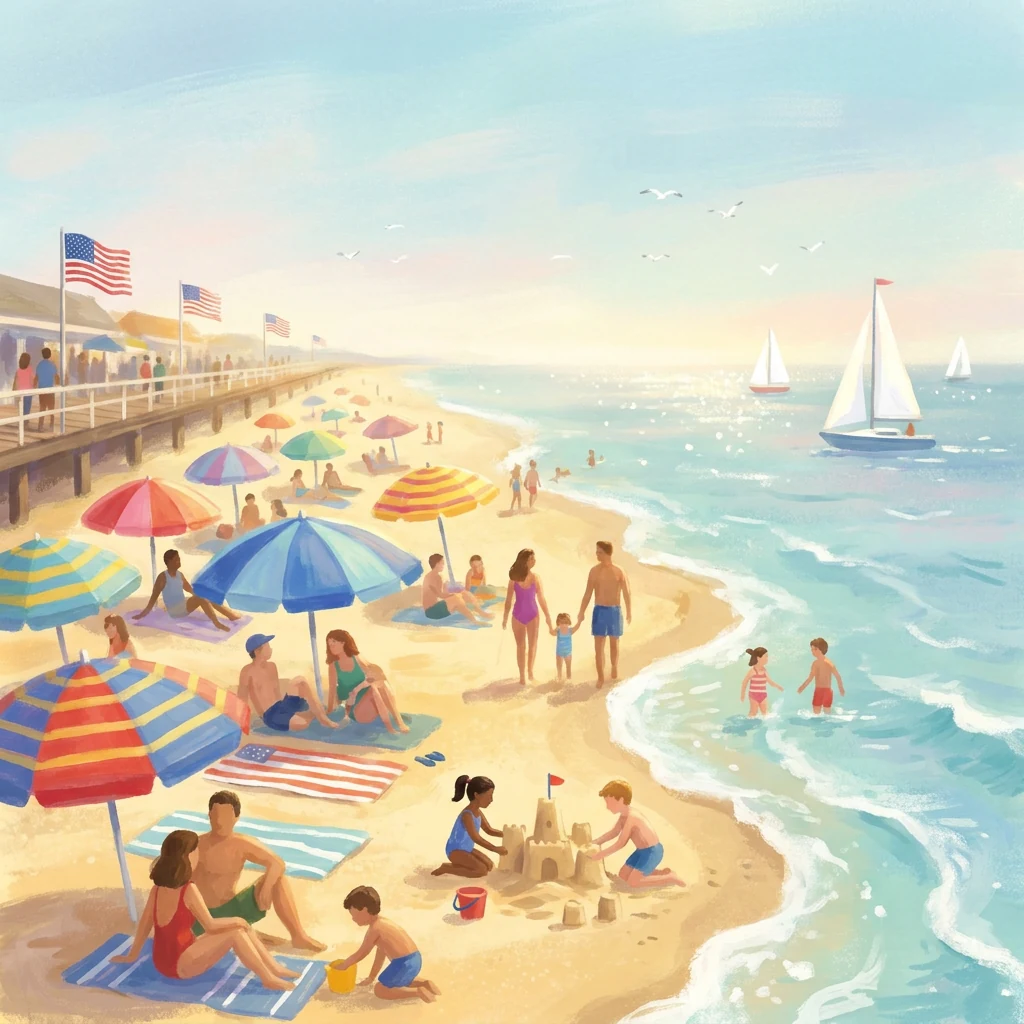
Boardwalk Strolls & Coastal Escapes
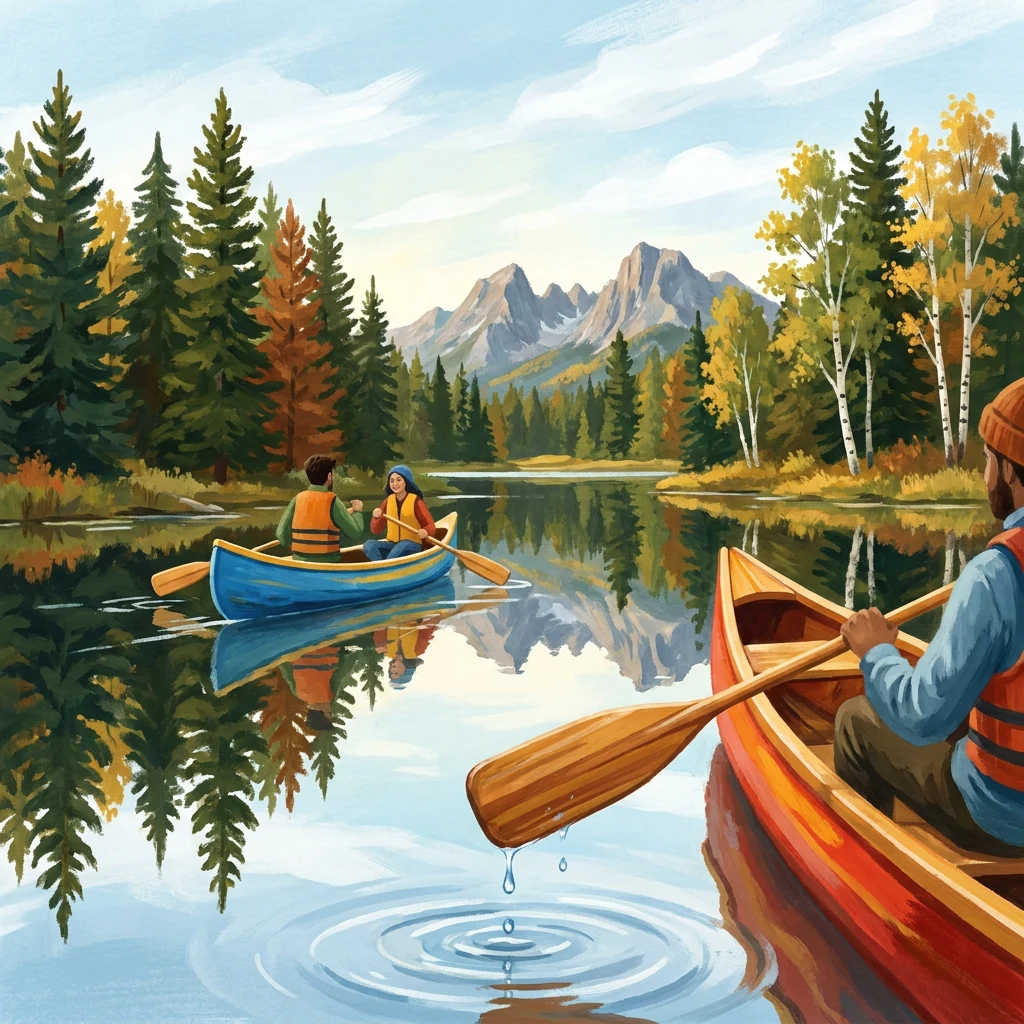
Millions of families journey to coastal beaches, boardwalks, and lakefronts for one final swim, sandcastle session, and sun-soaked afternoon before the autumn season begins.
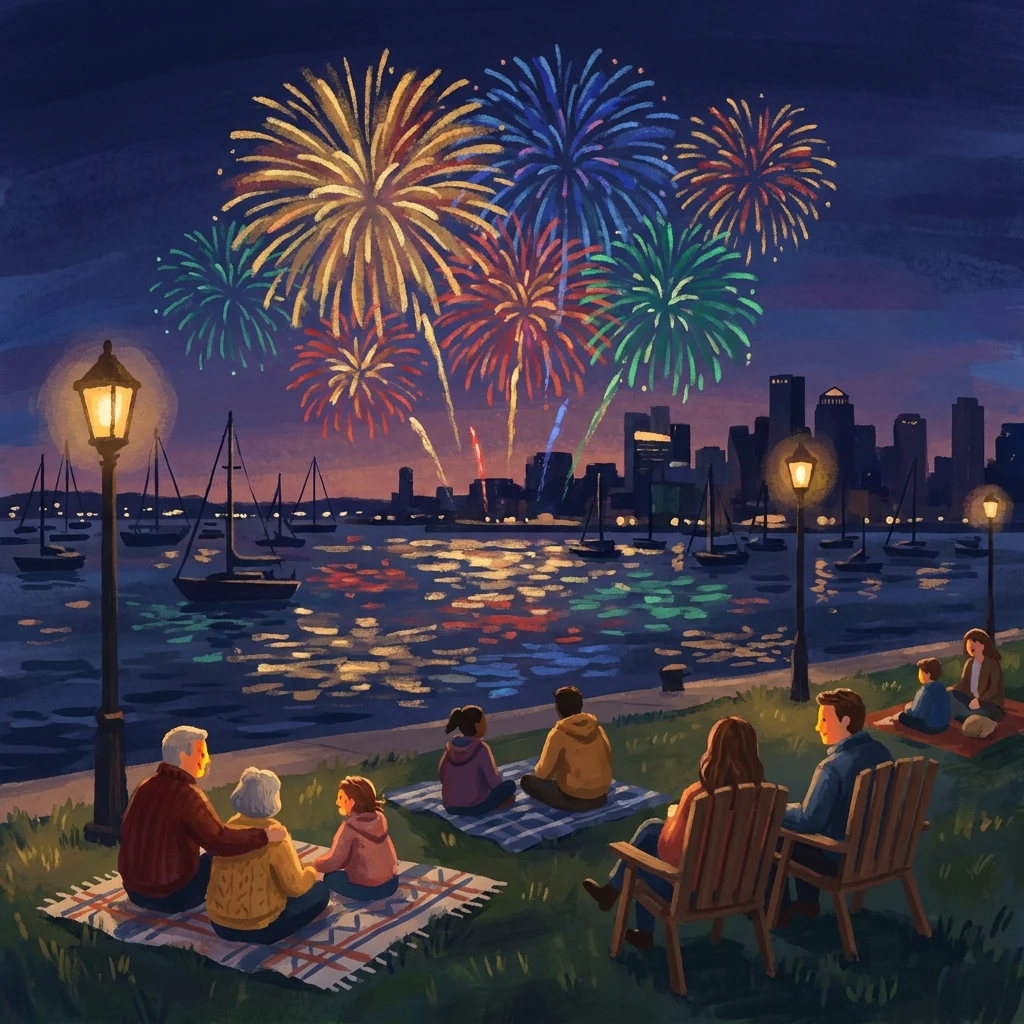
Twilight Fireworks Over Harbors
Cities and waterfront resorts illuminate twilight skies with dazzling fireworks displays over lakes, bays, and rivers, welcoming the arrival of autumn with communal wonder.
Things to Do on Labor Day Weekend
Inspiring ways to honor American workers, celebrate with family, and make the most of the long late-summer weekend
Labor Day Long Weekend Planner
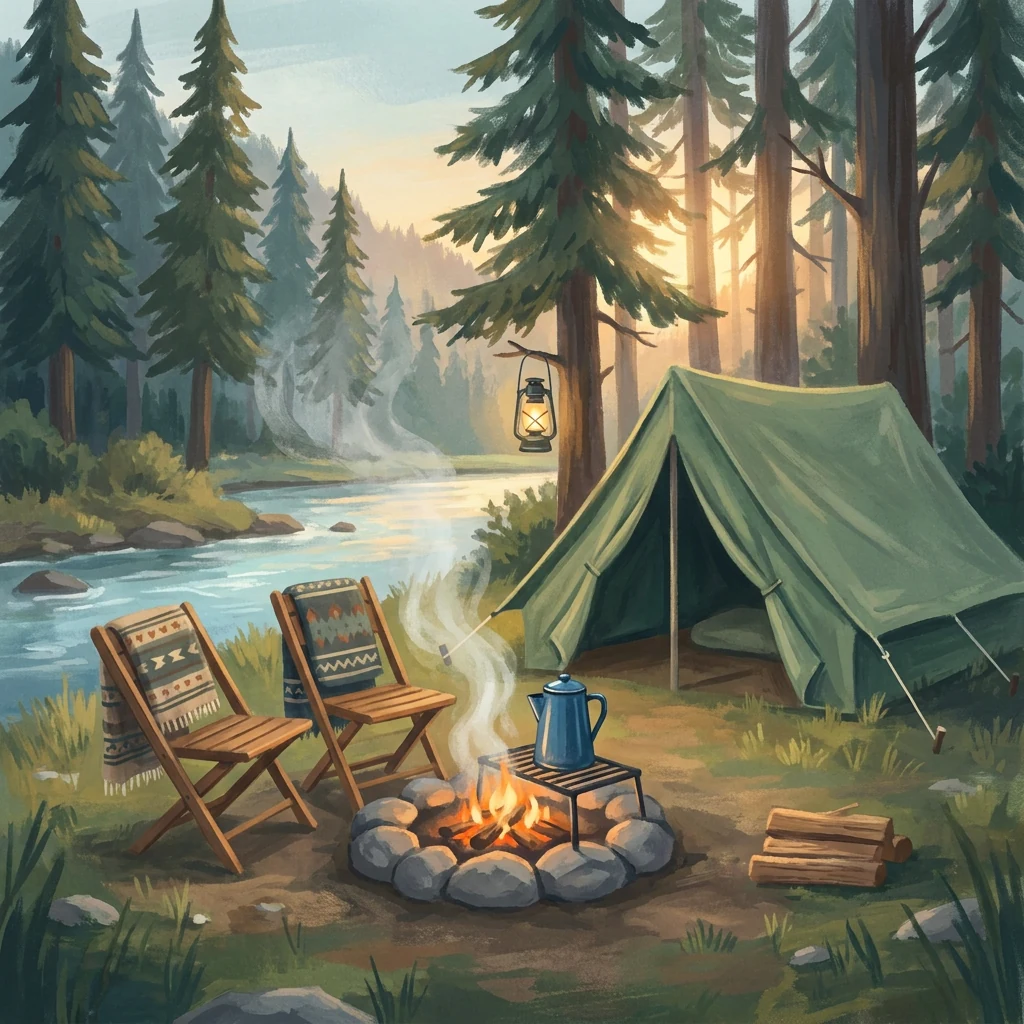
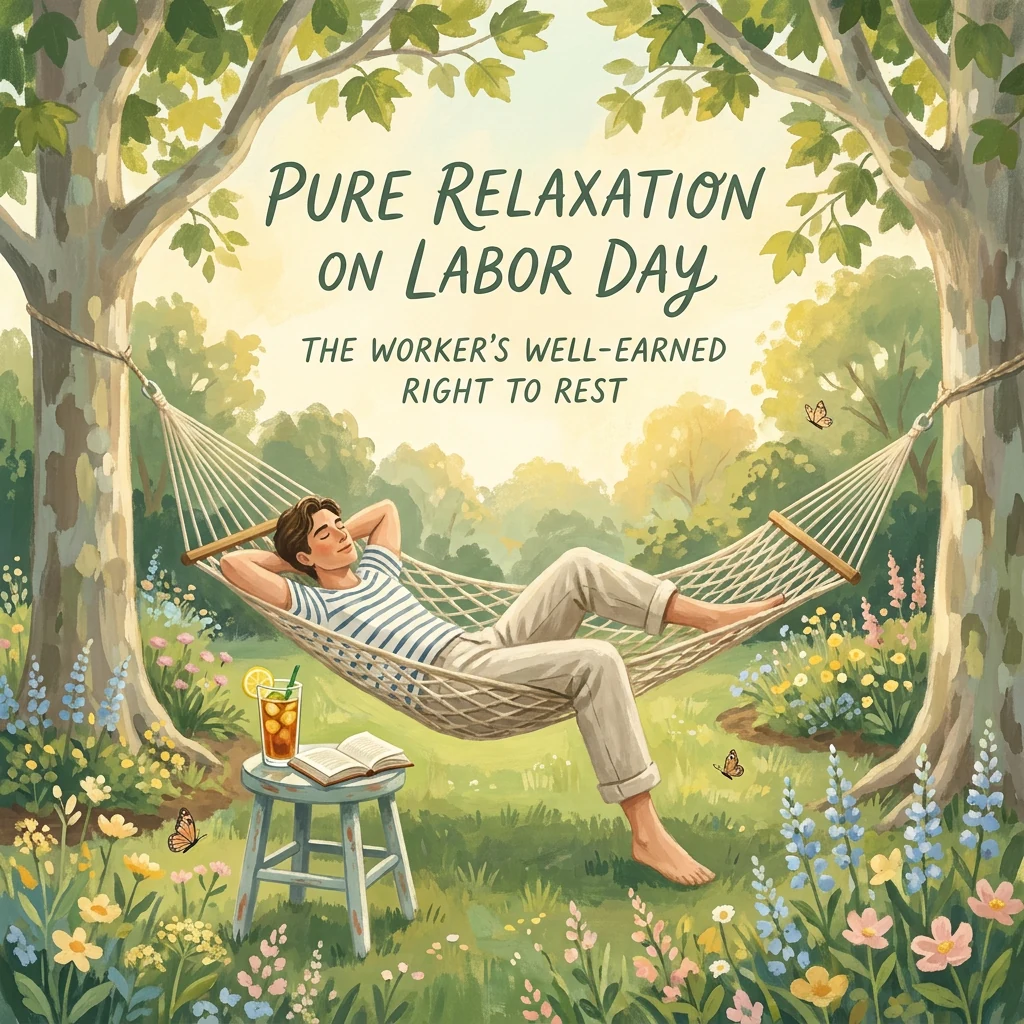
Maximize the unofficial final weekend of summer with lakeside retreats, camping getaways, and zero PTO required
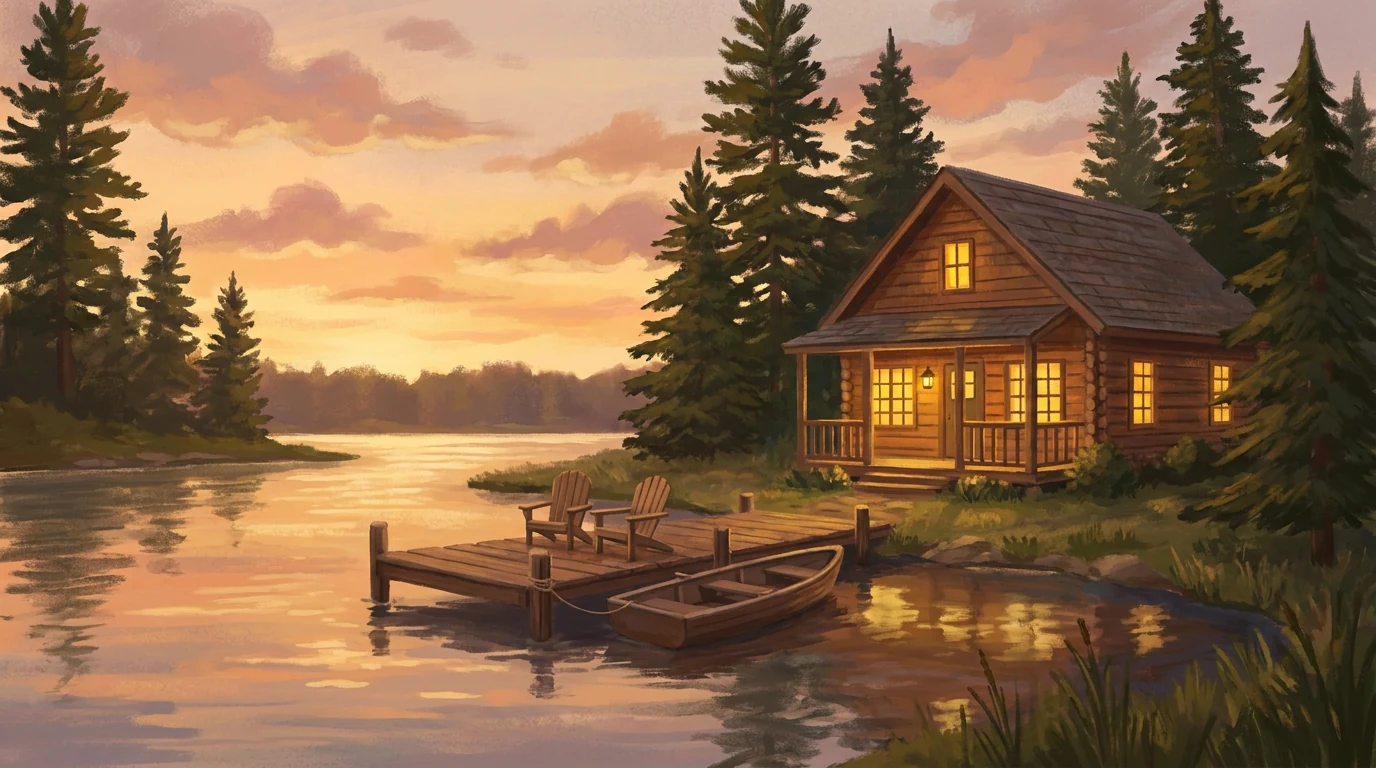 Late Summer Lakehouse Retreat
3-Day Weekend
Sep 5 – Sep 7, 2026Because Labor Day is statutory on the first Monday of September under Title 5 of the United States Code (5 U.S.C. § 6103(a)), workers and civil servants across the United States enjoy an automatic three-day holiday weekend without using a single day of annual paid time off (PTO).
- Time away
- 3 days
- Leave needed
- None
- Planning tip
- Perfect for a quick getaway
Essential Facts About Labor Day
Key historical insights into the origins of the holiday, the labor movement, and American cultural traditions
20,000 Workers Risked Pay in 1882
Participants in the first 1882 Manhattan parade gave up a full day's wages and risked termination by their employers to march for dignity and the eight-hour workday.
The Pullman Strike Catalyst
Following the historic and disruptive Pullman rail strike in the summer of 1894, Congress swiftly passed the federal Labor Day bill, signed by President Cleveland on June 28, 1894.
The McGuire vs. Maguire Debate
Historians still debate whether carpenter Peter J. McGuire (AFL co-founder) or machinist Matthew Maguire (Central Labor Union secretary) first authored the proposal for Labor Day.
The 'No White After Labor Day' Rule
In Gilded Age high society, packing away summer whites after Labor Day marked the formal return to metropolitan work and autumn wools, evolving into a famous fashion tradition.
Frequently Asked Questions
Common questions about Labor Day history, federal holiday rules, bank closures, and travel planning
Labor Day is celebrated every year on the first Monday in September. Because it is tied to the day of the week rather than a fixed calendar date, it always creates a natural three-day long weekend from Saturday through Monday.
While many nations observe International Workers' Day on May 1 (often linked to the 1886 Haymarket affair in Chicago), President Grover Cleveland and U.S. lawmakers chose the first Monday in September to align with the existing September tradition founded by New York City's Central Labor Union in 1882, and to avoid commemorating radical political unrest associated with May Day.
Since Labor Day gives you Monday off with zero PTO days used, you can take Friday off before the weekend for an easy 4-day getaway (using 1 PTO day), or take Tuesday through Friday off after Labor Day for a full 9-day vacation (spanning two weekends) by expending only 4 days of paid time off.
As a statutory federal public holiday (5 U.S.C. § 6103(a)), all non-essential federal government agencies, U.S. District Courts, federal offices, and U.S. Postal Service branches are closed with no regular mail delivery. The Federal Reserve, the New York Stock Exchange (NYSE), Nasdaq, and bond markets are closed. Most commercial banks, public schools, and corporate offices are also closed, while retail stores and restaurants generally remain open with special holiday hours.
The rule originated in the late 19th and early 20th centuries among urban upper-class society. White clothing was worn during summer leisure at seaside retreats and cottages to stay cool. Returning to the city in September signified resuming business in formal, dark wool suits and autumnal fabrics. Over time, fashion etiquette embraced white as a year-round choice, turning the rule into charming historical lore.
More American Federal & Cultural Holidays
Explore other significant national milestones, commemorative observances, and seasonal celebrations across the United States