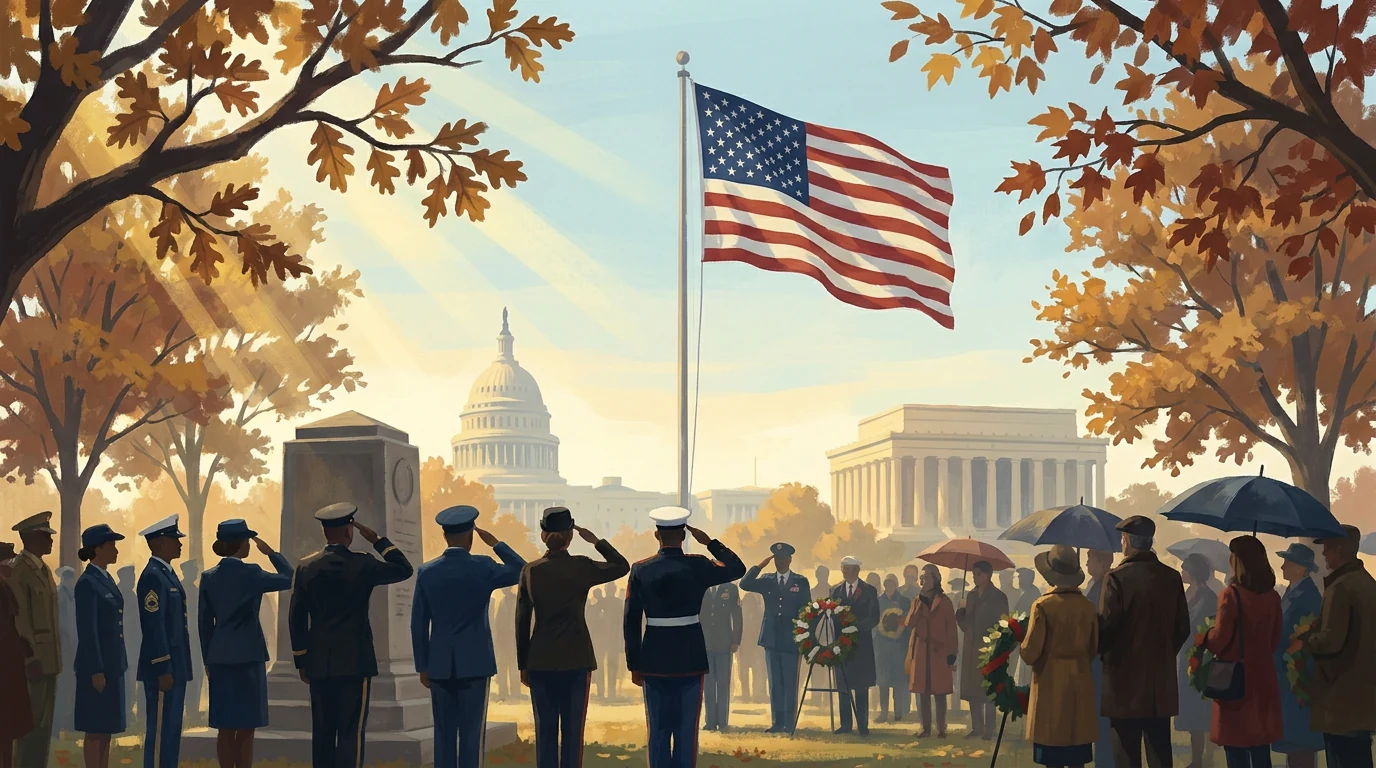
The Sacred Promise of Juneteenth
Juneteenth stands as America's second independence day—a jubilant celebration honoring the resilience, endurance, and profound cultural heritage of African Americans. On June 19, 1865, freedom finally reached Galveston, Texas, fulfilling the Emancipation Proclamation's promise and fundamentally reshaping the democratic conscience and moral destiny of the American republic.
Today, communities nationwide unite under vibrant red, black, and green banners to celebrate freedom with parades, cookouts, and reflective tributes. Juneteenth bridges generations through fellowship, remembering the sacrifices of ancestral freedom fighters while inspiring every American to protect equality, champion civil dignity, and nurture our collective democratic promise.

Milestones of Freedom & Emancipation
From Lincoln's wartime decree to Galveston harbor, grassroots parks, and official federal statutory recognition
Emancipation Proclamation Takes Effect
President Lincoln issues Executive Order 95, declaring over 3.5 million enslaved people in Confederate states forever legally free.
General Order No. 3 in Galveston
Major General Gordon Granger lands at Galveston and officially announces the immediate enforcement of emancipation across Texas.
First Annual Texas Jubilee Celebrations
Freed communities organize the earliest Juneteenth commemorations with prayer services, parades, and communal feasts.
Emancipation Park Founded in Houston
Reverend Jack Yates and community leaders pool $800 to purchase 10 acres, establishing the first public park dedicated to Juneteenth.
Juneteenth Becomes 11th Federal Holiday
President Joe Biden signs Public Law 117-17 following decades of grassroots advocacy led by Opal Lee, establishing Juneteenth as an official federal holiday.
Time-Honored Juneteenth Traditions
Beloved customs that bring festive jubilee, choral harmonies, and cultural pride to American communities
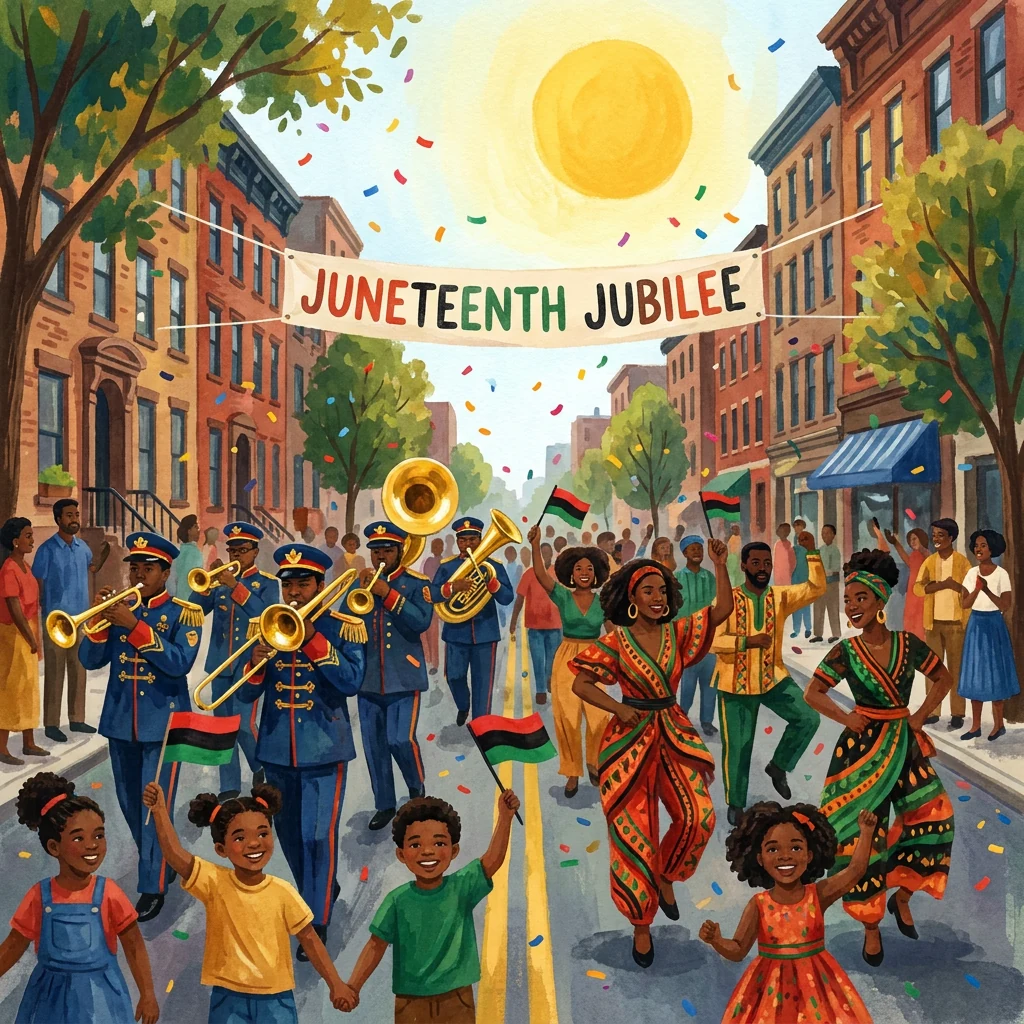
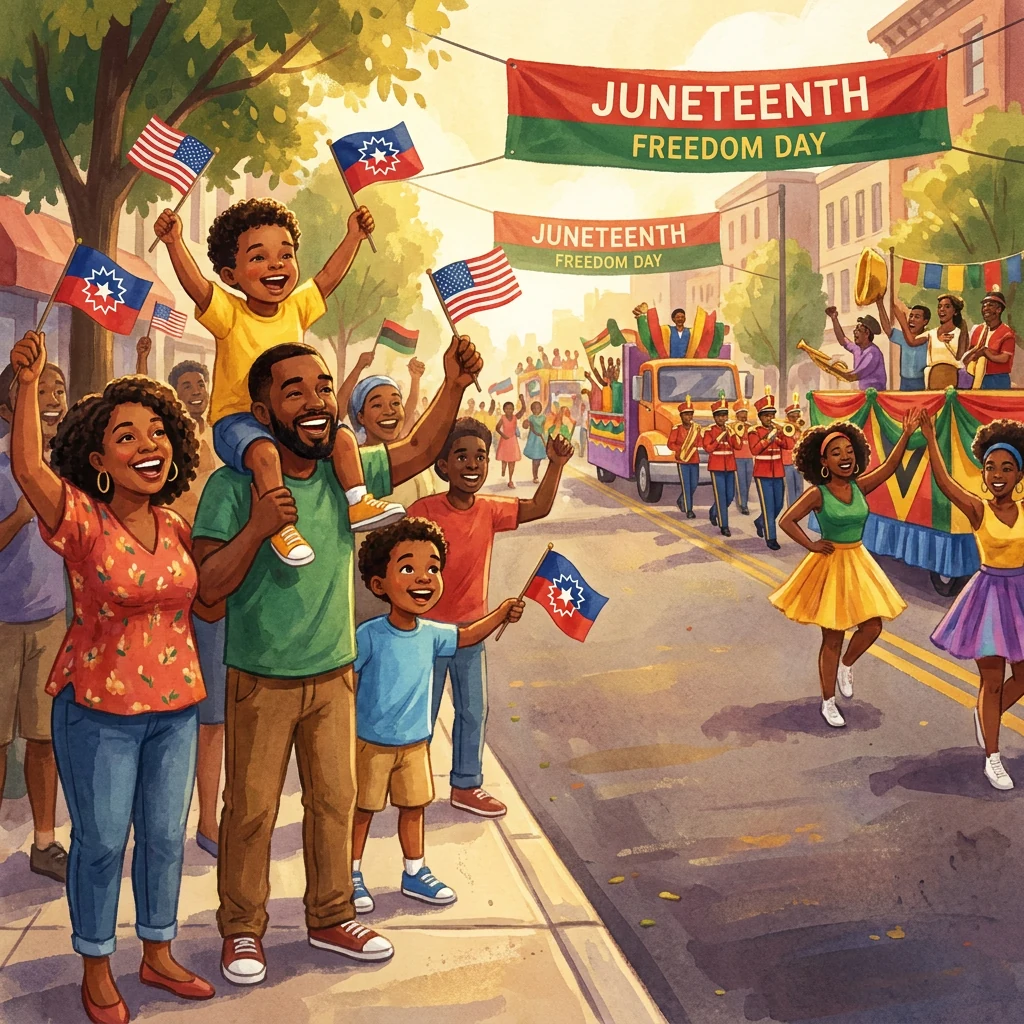
Jubilee Parades & Freedom Marches
Vibrant street parades fill city corridors with marching brass bands, majestic floats, drill teams, and dancers dressed in brilliant traditional African textiles and bright festival colors.
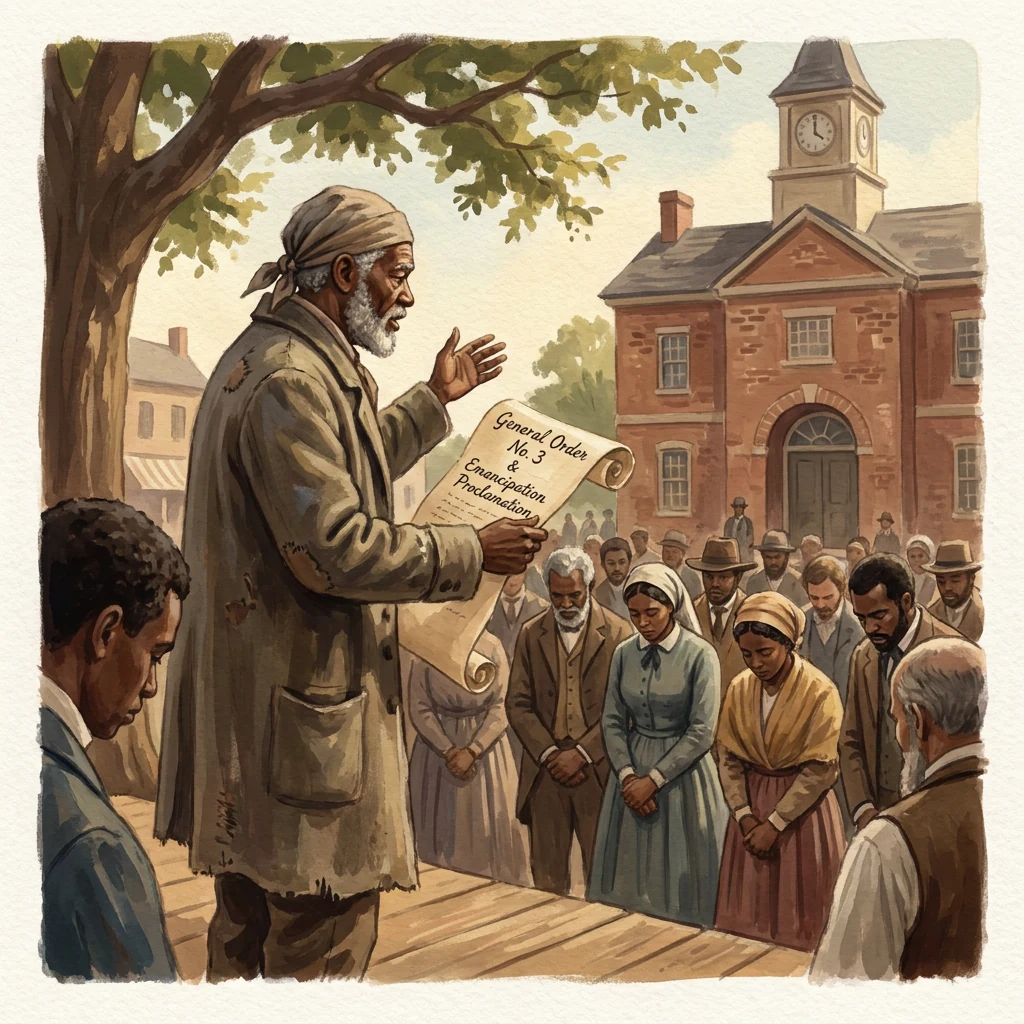
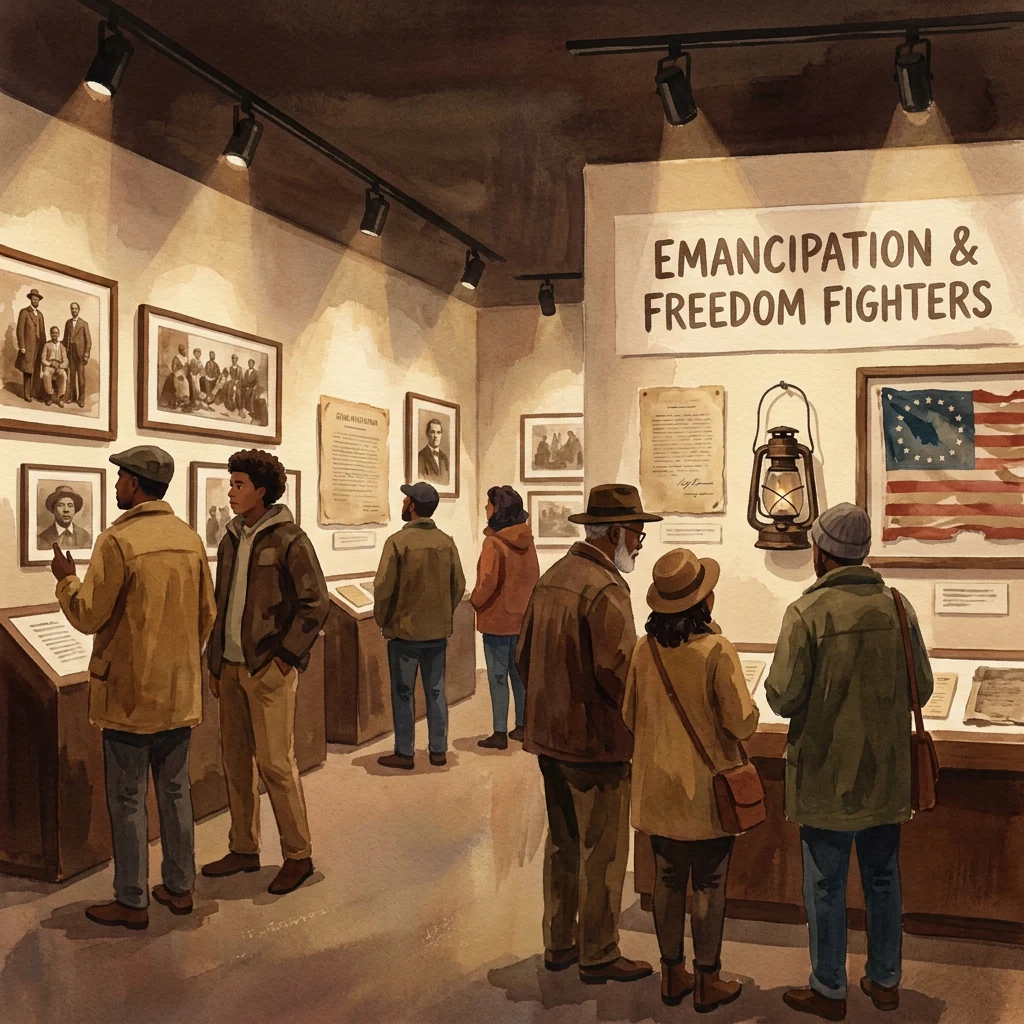
Readings of General Order No. 3
Community elders and civic leaders gather at public squares and historic sites to solemnly recite Granger's order alongside the Emancipation Proclamation and the 13th Amendment.
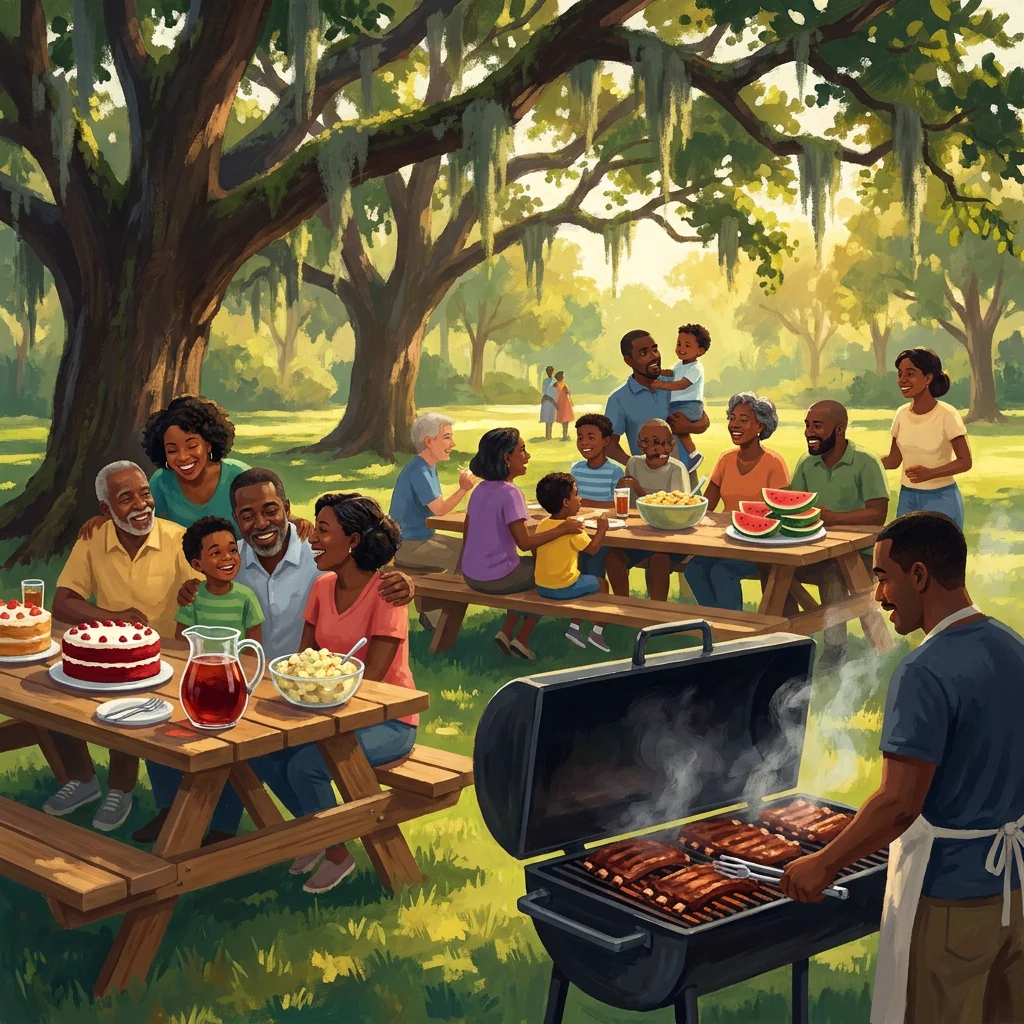
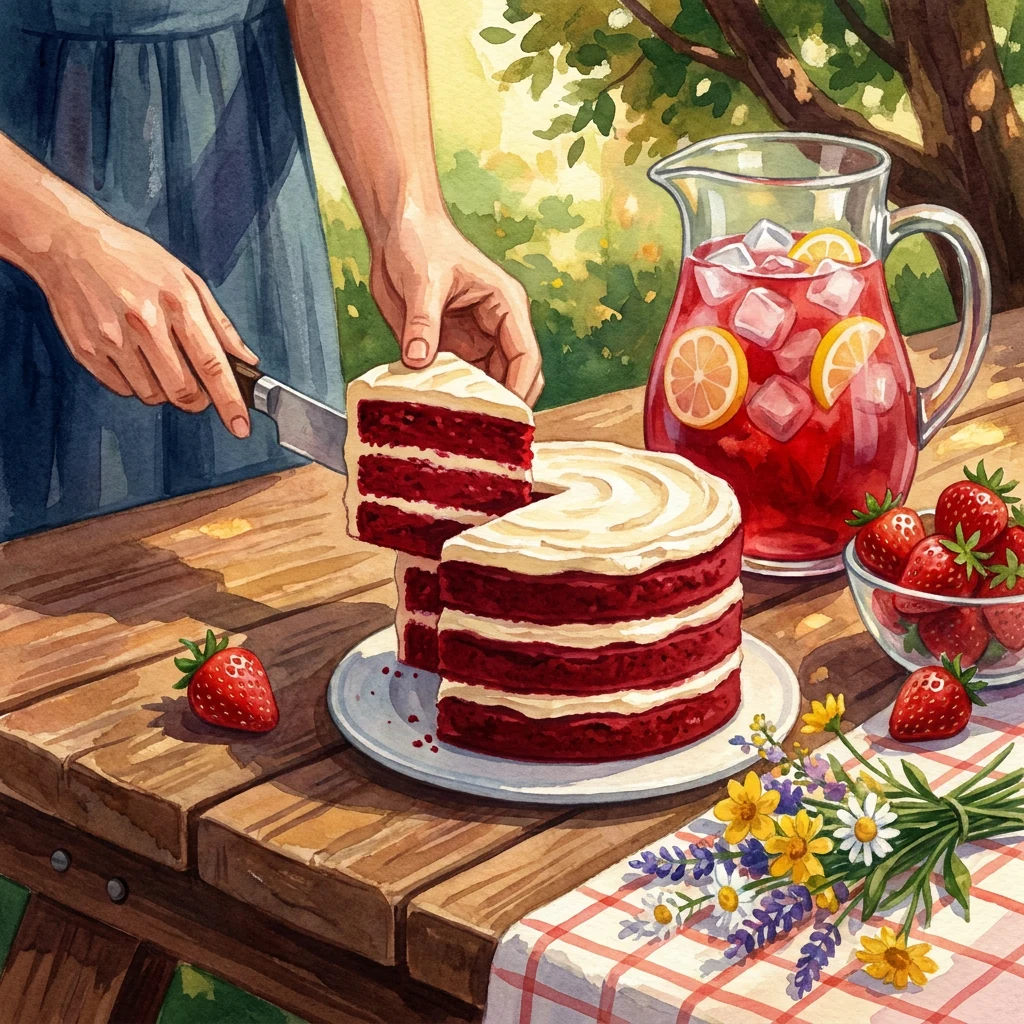
Backyard Cookouts & Red Food Feasts
Generations gather around smoking barbecue pits and tables brimming with red velvet cakes, strawberry sodas, hibiscus red tea, watermelon, and savory smoked meats symbolizing perseverance.
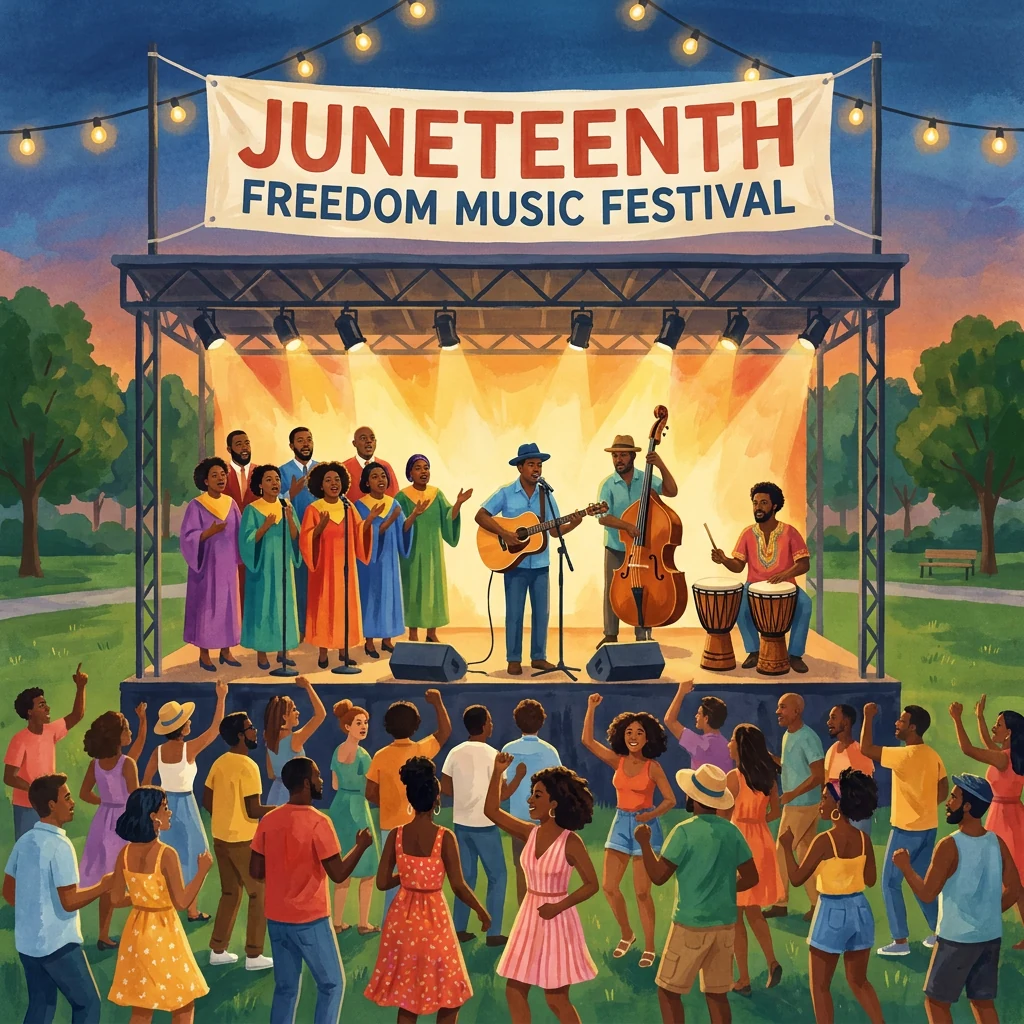
Gospel, Blues & Freedom Music Festivals
Open-air stages reverberate with soulful gospel harmonies, rhythm and blues, spirituals, and dynamic African drumming that celebrate ancestral triumph through sonic artistry.
Ways to Honor & Celebrate Juneteenth
Meaningful ways to participate in community heritage, culinary traditions, and lifelong civic education

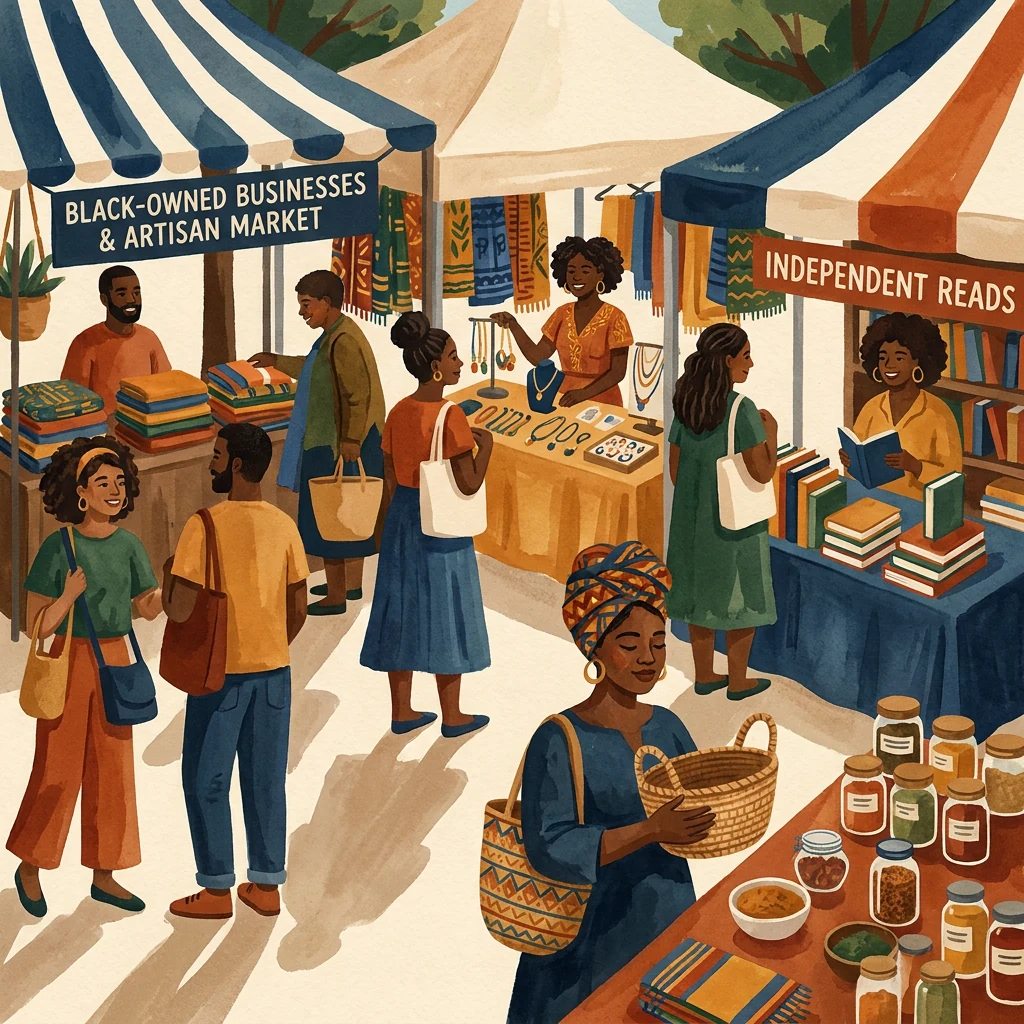
Juneteenth Long Weekend Planner
Maximize your summer holiday with family reunions, cultural festivals, and relaxing waterside retreats
 Summer Freedom Retreat
3-Day Weekend
Jun 17 – Jun 19, 2028June 19 falls on a Monday in 2028, creating a natural three-day long weekend. Perfect for traveling to historic freedom festivals and enjoying uninterrupted Juneteenth celebrations.
- Time away
- 3 days
- Leave needed
- None
- Planning tip
- Perfect for a quick getaway
Essential Facts About Juneteenth
Key historical insights into America's newest national holiday and the legacy of emancipation
Galveston Origins
General Order No. 3 was read at Galveston, Texas on June 19, 1865, freeing approximately 250,000 enslaved people—two and a half years after the Emancipation Proclamation.
The Symbolism of Red Foods
Traditional Juneteenth feasts feature red foods—red velvet cake, strawberry soda, watermelon, and hibiscus tea—symbolizing the resilience, spiritual strength, and bloodshed of enslaved ancestors.
Opal Lee's 2.5-Mile Marches
At age 89, Texas activist Opal Lee walked 2.5 miles each day across the nation to represent the two and a half years emancipation was delayed, sparking federal recognition.
The Juneteenth Flag
Created in 1997 by Ben Haith, the Juneteenth flag features a burst of white nova stars surrounded by red and blue arcs, representing new freedom rising across the American horizon.
Frequently Asked Questions
Common questions about Juneteenth history, traditions, statutory observances, and closures
Yes. Juneteenth National Independence Day was signed into law as the 11th official federal legal public holiday by President Joe Biden on June 17, 2021 (Public Law 117-17). It is codified in Title 5 of the United States Code (5 U.S.C. § 6103(a)).
President Lincoln issued the Emancipation Proclamation on January 1, 1863, but it could only be enforced where the Union Army had military control. Texas was isolated and saw little combat during the Civil War. Enforcement required Union troops to physically arrive under General Gordon Granger after the Confederate army surrendered in 1865.
Under federal in-lieu holiday regulations (5 U.S.C. § 6103(b)), if June 19 falls on a Saturday, the preceding Friday (June 18) is observed as the federal legal holiday for federal employees. If June 19 falls on a Sunday, the following Monday (June 20) is observed.
As a federal public holiday, all non-essential federal government offices, U.S. District Courts, federal agencies, and U.S. Postal Service branches are closed, with regular mail delivery suspended. The New York Stock Exchange (NYSE), Nasdaq, and U.S. bond markets are also closed.
Juneteenth culinary tradition centers on 'red foods and red drinks'—most famously hibiscus tea, strawberry soda, red velvet cake, watermelon, and barbecue with crimson sauces. Red foods honor the resilience, endurance, and sacrifice of ancestors through the transatlantic trade and chattel slavery.
More American Federal & Cultural Holidays
Explore other significant national milestones, commemorative observances, and seasonal celebrations across the United States