The 1898 Proclamation
On June 12, 1898, Emilio Aguinaldo proclaimed Philippine independence from Spain at his home in Kawit, Cavite. The flag was displayed and the national anthem was performed during the ceremony.
Explore the events, people, and milestones that shaped Independence Day in Philippines.
Philippine Independence Day is observed on June 12. It commemorates the 1898 proclamation of independence from Spain at Kawit, Cavite, and honors the long struggle for sovereignty and nationhood.
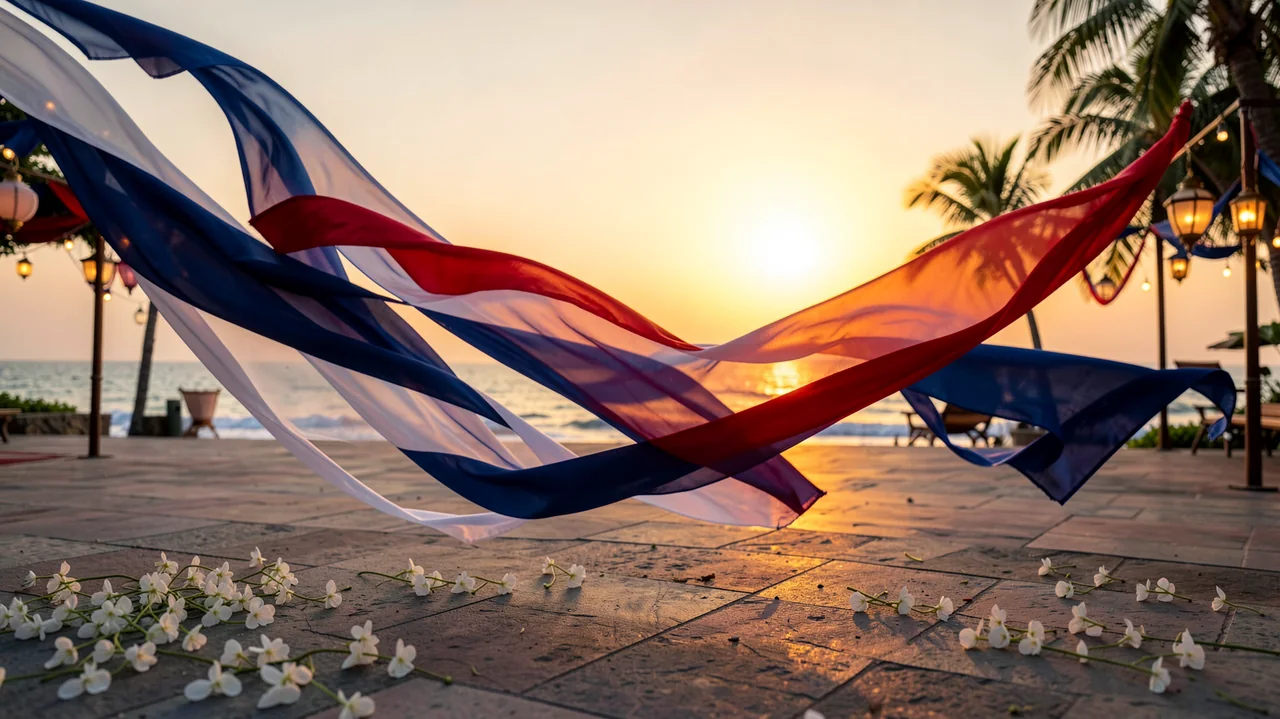
National colors move through a bright tropical sunrise on Independence Day.
On June 12, 1898, Emilio Aguinaldo proclaimed Philippine independence from Spain at his home in Kawit, Cavite. The flag was displayed and the national anthem was performed during the ceremony.
The 1898 declaration followed the Philippine Revolution, but conflict and changing colonial rule continued. The United States formally recognized Philippine independence on July 4, 1946.
In 1962 President Diosdado Macapagal moved the national Independence Day observance from July 4 to June 12, centering the holiday on the Filipino declaration of 1898.
Independence is proclaimed at Kawit, Cavite.
The revolutionary government formally establishes the date as a national celebration.
The United States recognizes Philippine independence.
June 12 is restored and legally confirmed as Independence Day.
Clear answers about the date, meaning, and observance.
Independence Day in 2026 is Friday, June 12, 2026.
Emilio Aguinaldo proclaimed Philippine independence from Spain at Kawit, Cavite.
July 4, 1946, was the date the United States formally recognized Philippine independence.
President Diosdado Macapagal restored the June 12 observance in 1962, and legislation confirmed it in 1964.
Observances include flag ceremonies, speeches, wreath laying, parades, concerts, cultural programs, and community festivals.