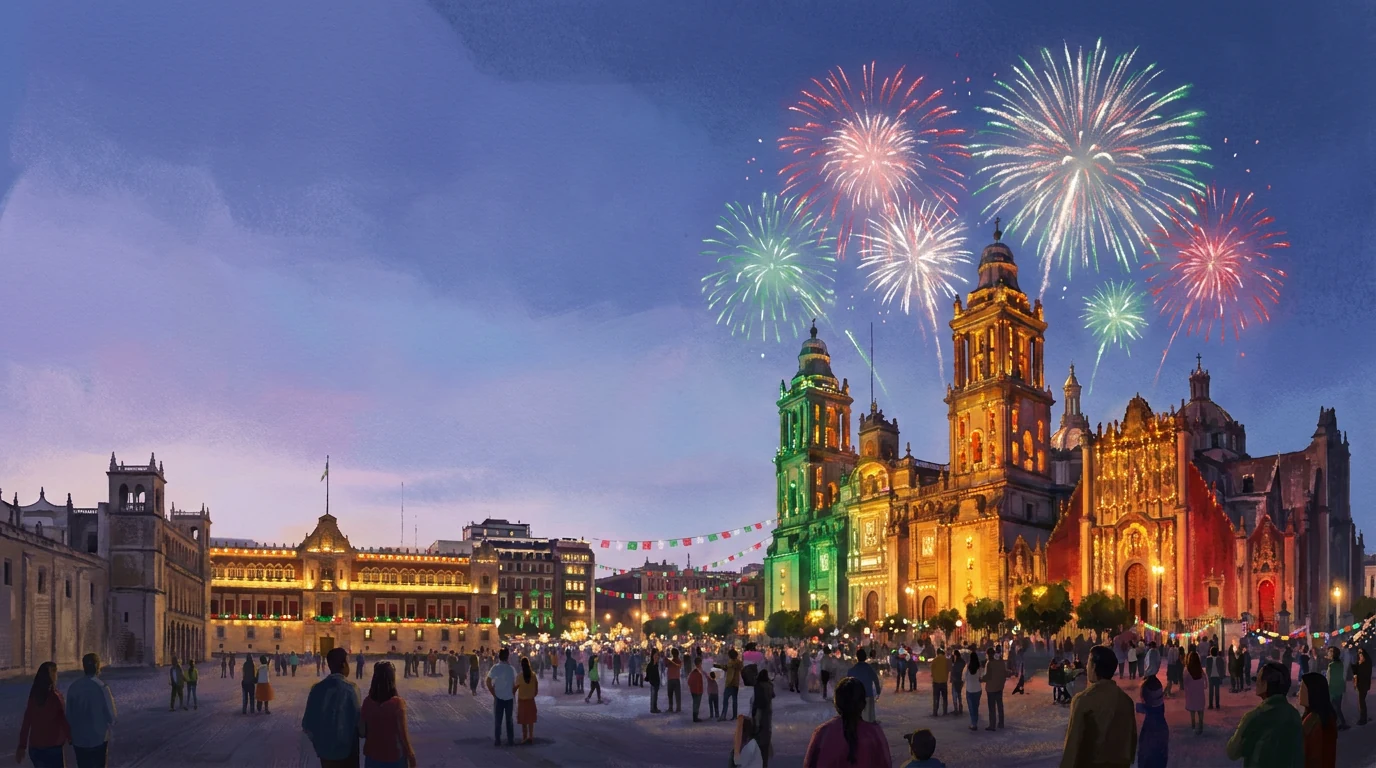
The story behind Mexican Independence Day
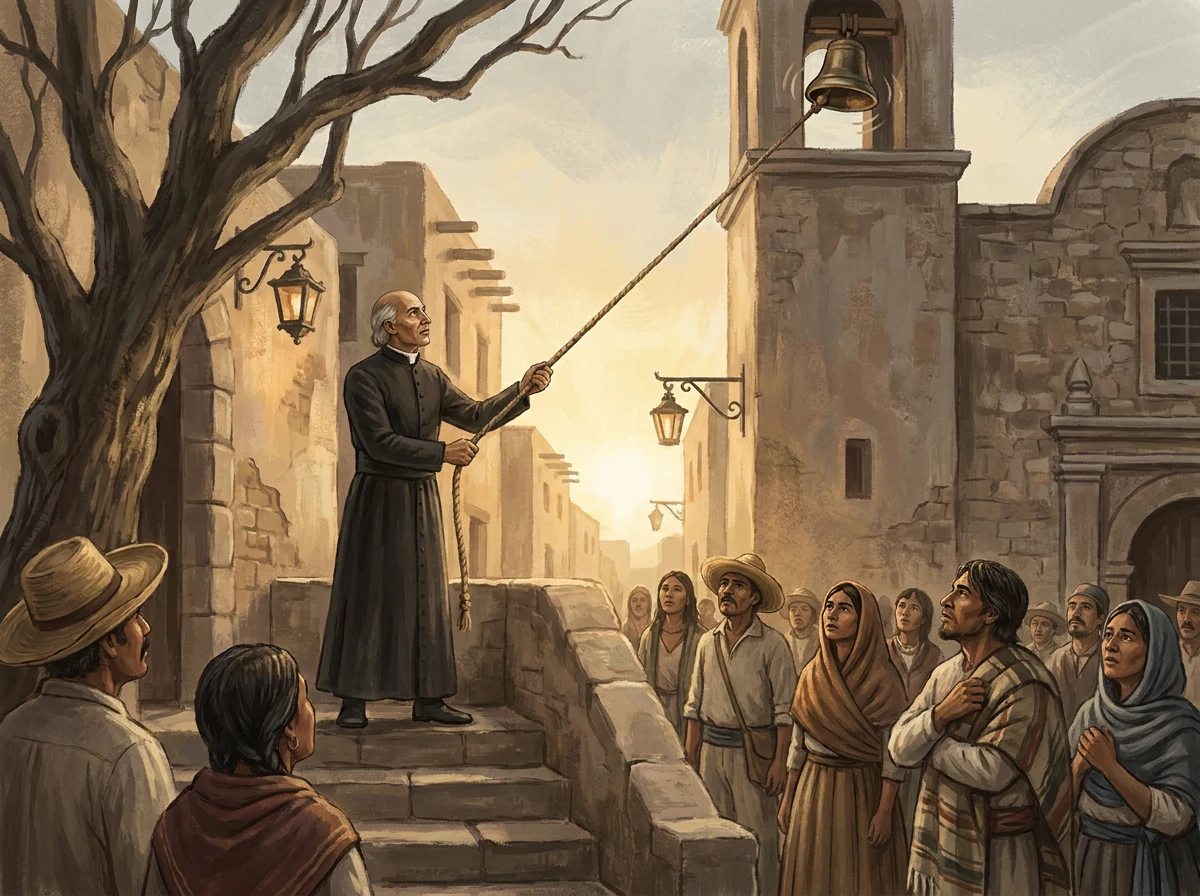
Mexican Independence Day commemorates September 16, 1810, when Father Miguel Hidalgo y Costilla rang the parish bell in Dolores and uttered El Grito, igniting the eleven-year struggle for sovereignty.
Celebrated across Mexico and worldwide with the ceremonial midnight Grito, vibrant parades, and patriotic feasts, it honors the enduring triumph of liberty, unity, and national dignity.
Timeline of Mexico's struggle for sovereignty
Key moments that defined the path from colonial New Spain to independent Mexico.
El Grito de Dolores
Father Miguel Hidalgo rings the church bell on September 16, sparking the War of Independence.
Sentimientos de la Nación
José María Morelos formalizes Mexican liberty and declares universal equality in Apatzingán.
Army of the Three Guarantees
Agustín de Iturbide and Vicente Guerrero unite forces to enter Mexico City, achieving independence.
The Bell of Dolores Arrives
President Porfirio Díaz moves Hidalgo's original bronze bell to the central balcony of the National Palace.
The Midnight Grito
Celebrated in every Mexican town square and worldwide with bells, fireworks, and patriotic fellowship.
How it's observed today
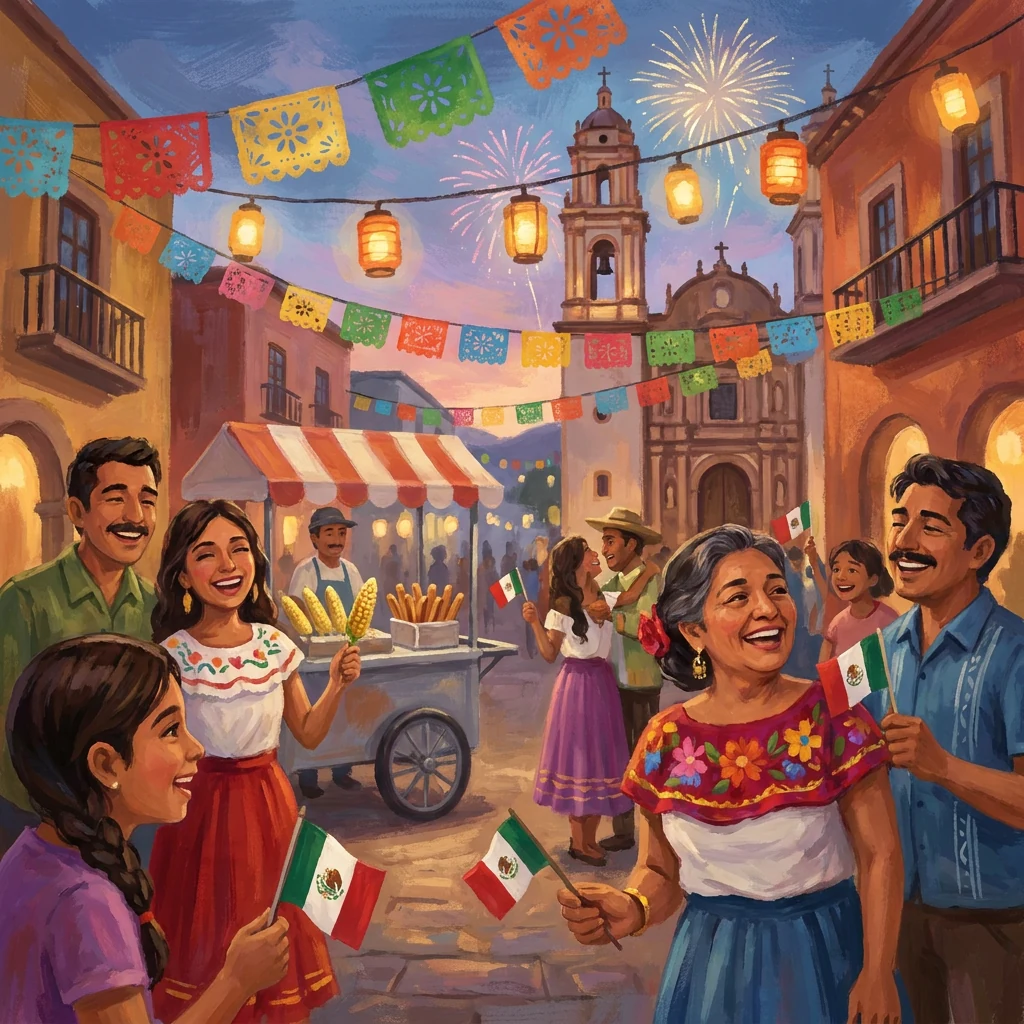
Mexican Independence Day is celebrated with vibrant civic pride, historic reenactments, and festive family traditions.
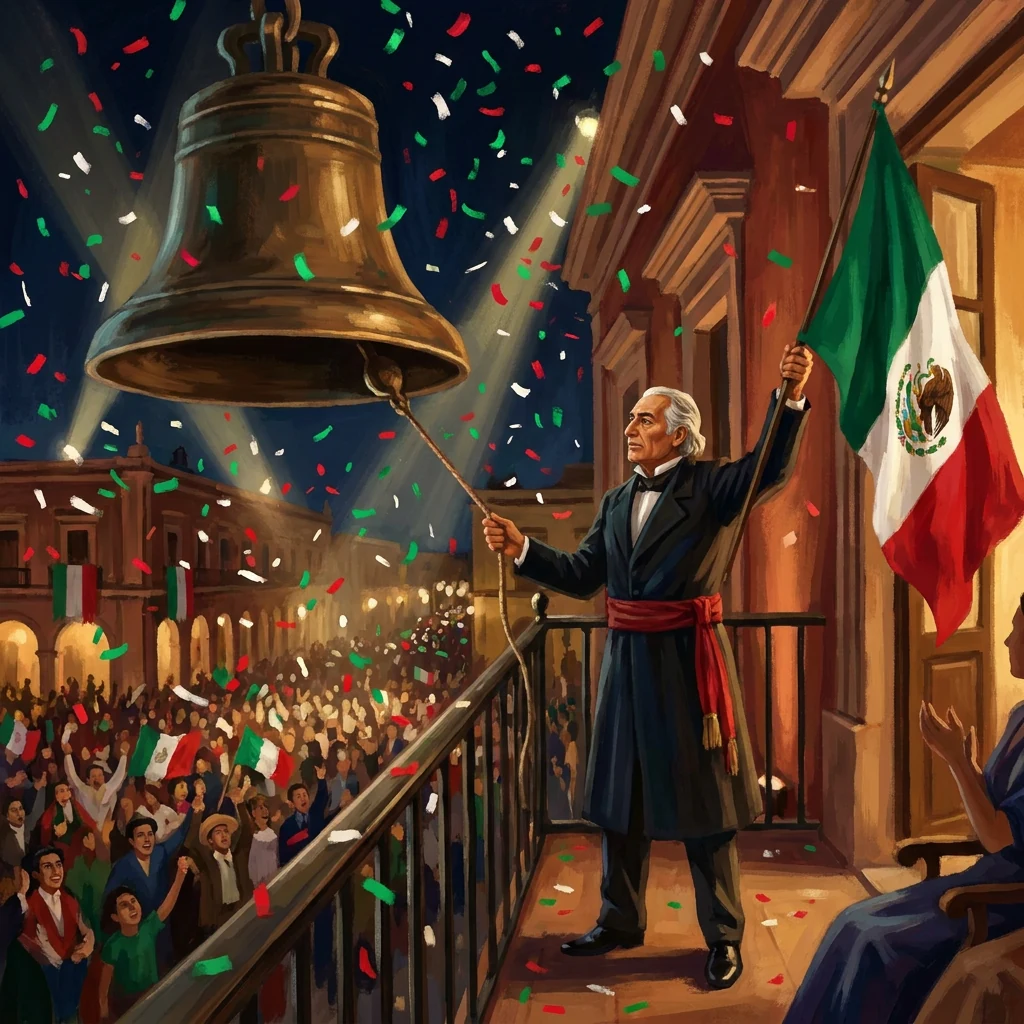
El Grito Reenactment
At 11:00 PM on September 15, leaders reenact Hidalgo's call from palace balconies with bells, tricolor flags, and fireworks.
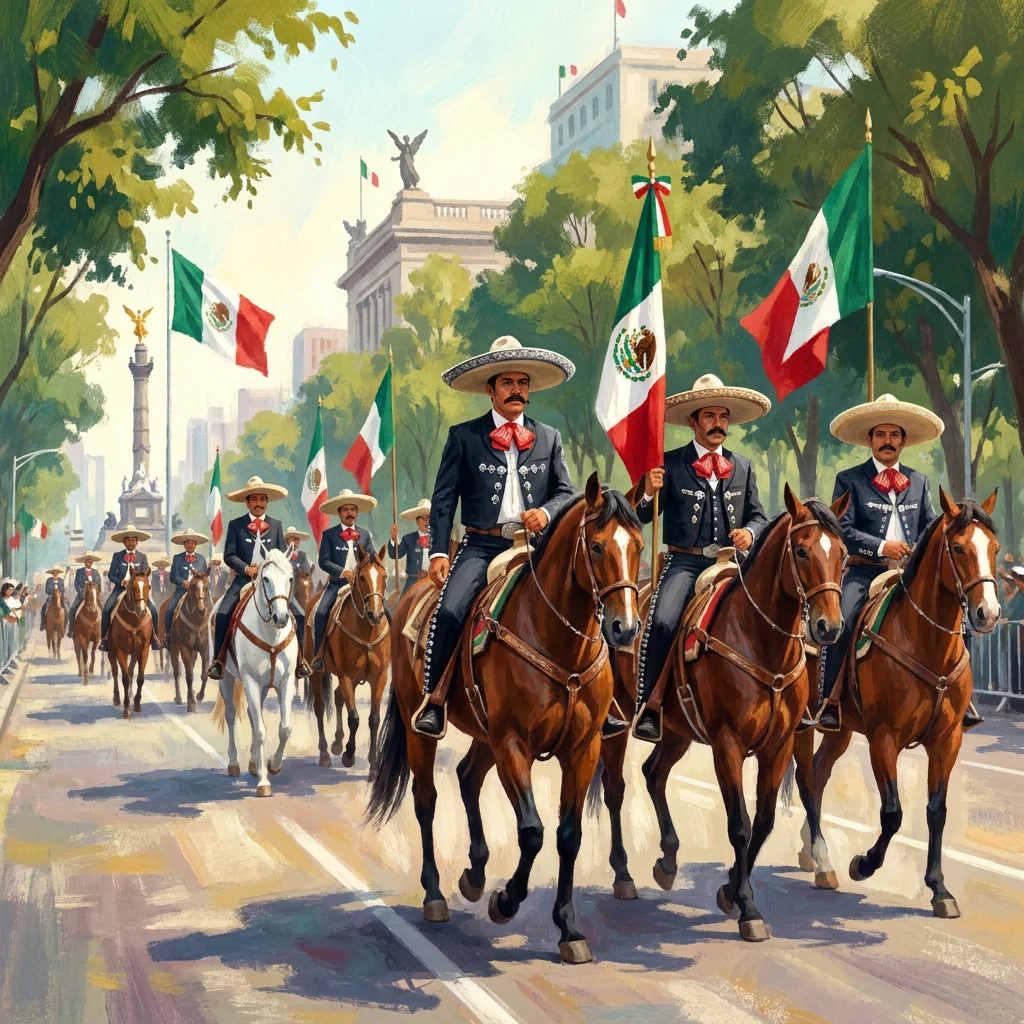
Civic & Military Parades
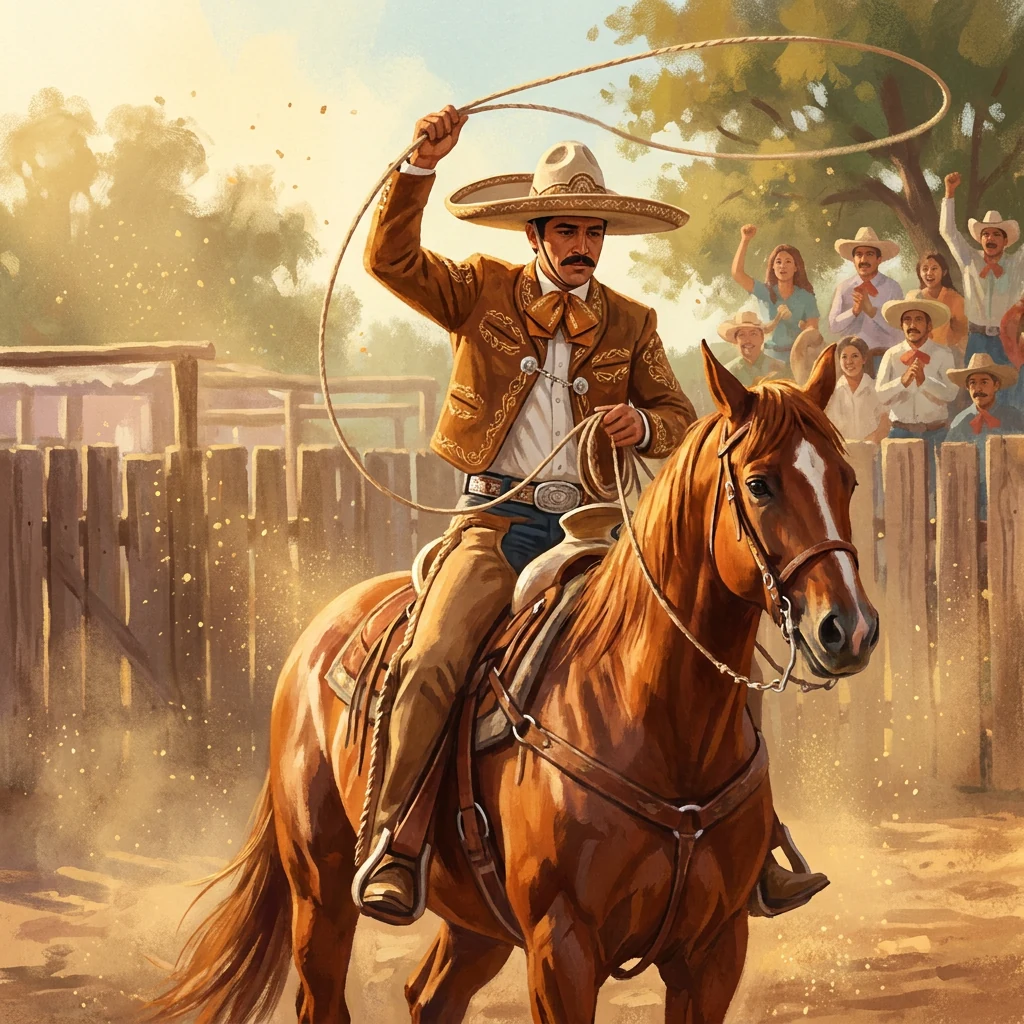
Grand processions with charros on horseback, armed forces, and marching bands proceed along Paseo de la Reforma and town plazas.
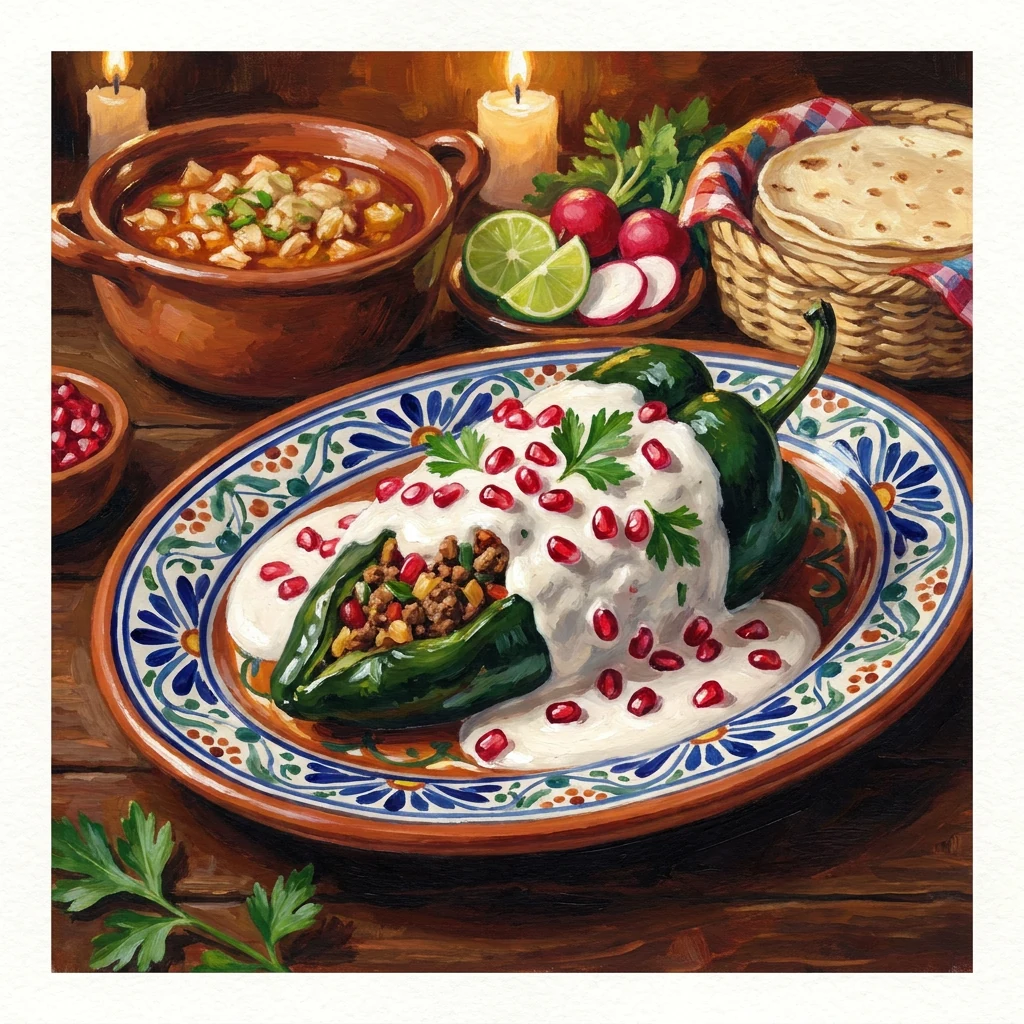
Patriotic Gastronomy
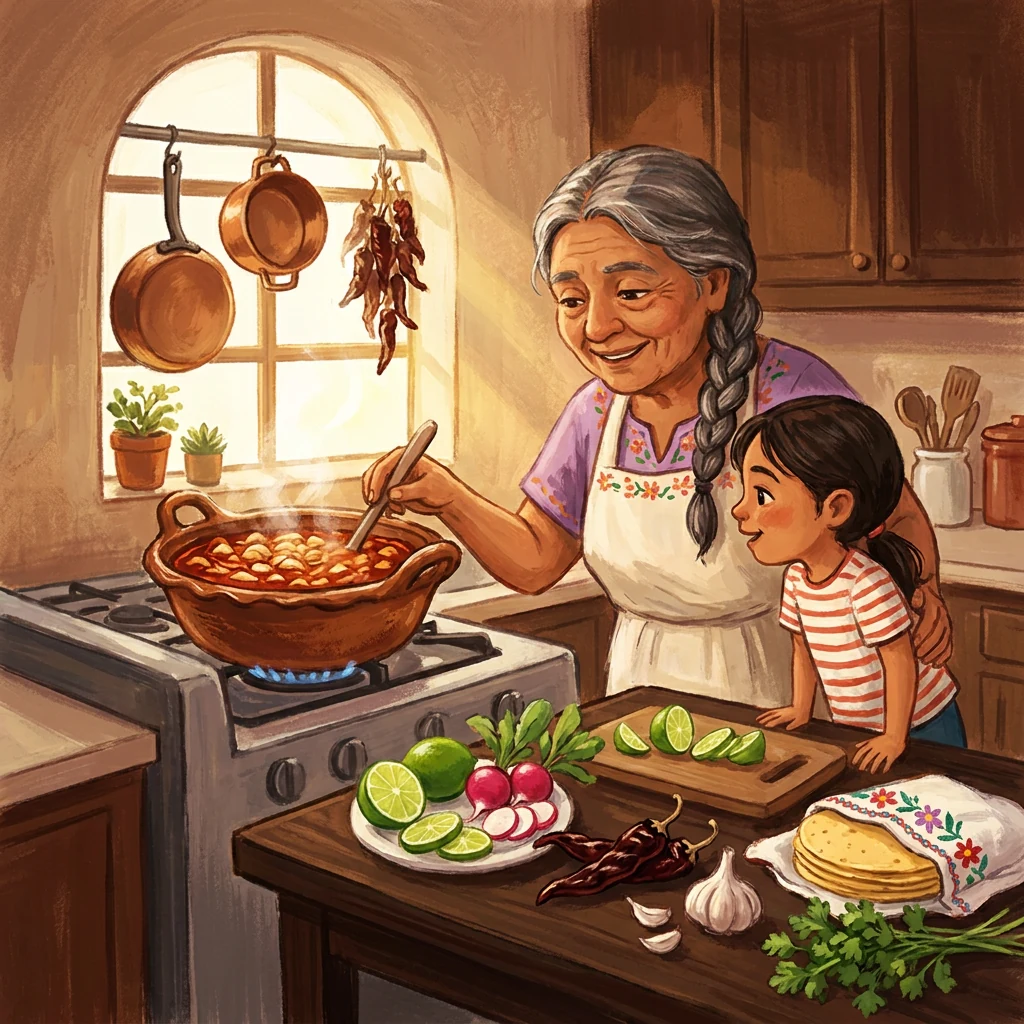
Families feast on Chiles en Nogada, rich Pozole Rojo, and tamales celebrating the green, white, and red of the Mexican flag.
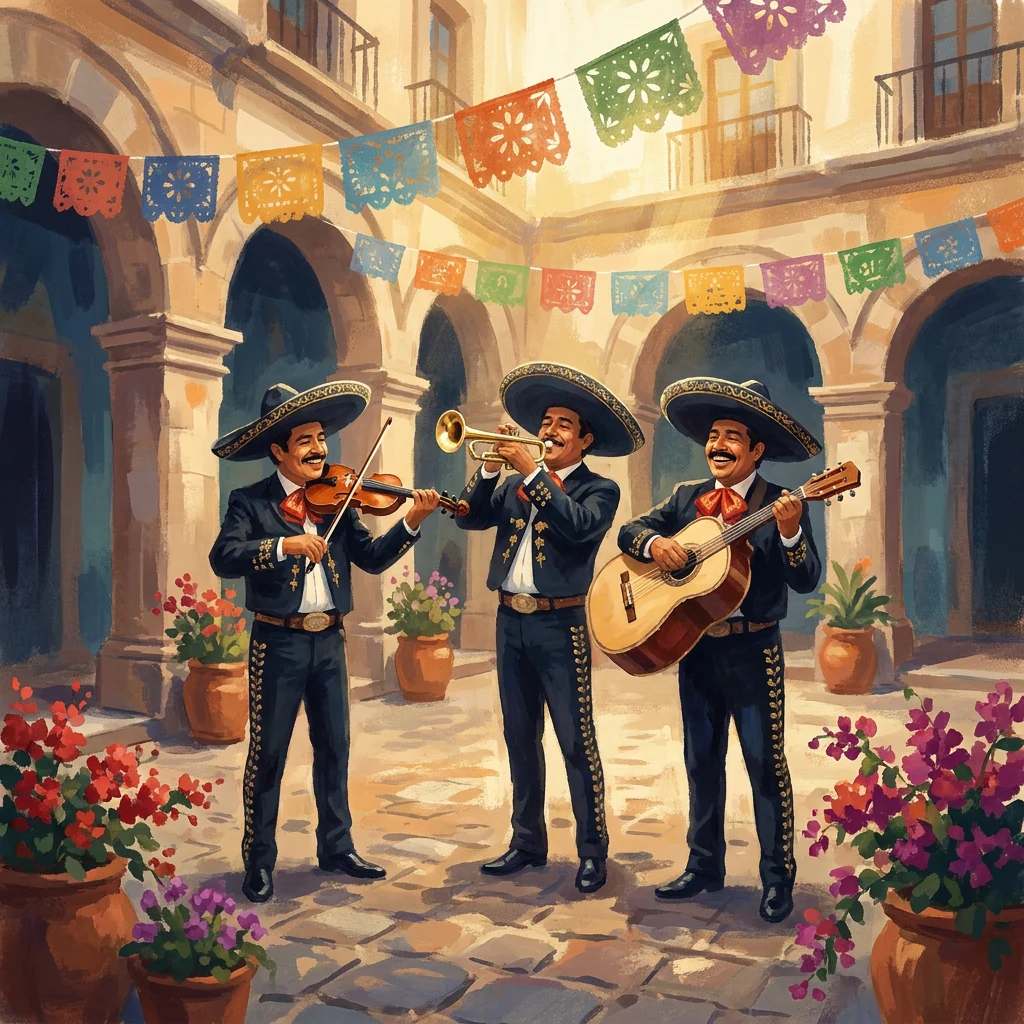
Mariachi & Folk Plaza Fiestas
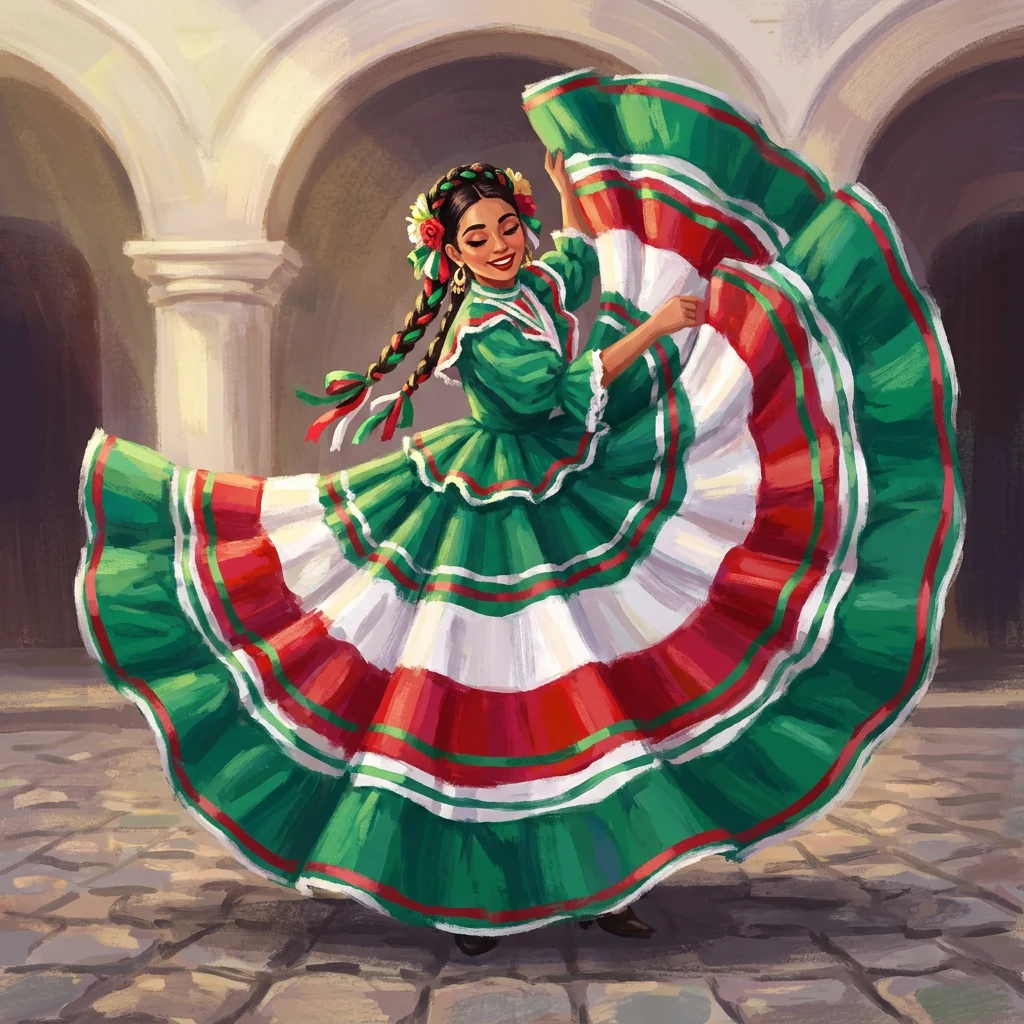
Town squares fill with passionate mariachi brass, son jarocho, and ballet folklórico dancers spinning in vibrant ribboned dresses.
Things to do for Mexican Independence Day
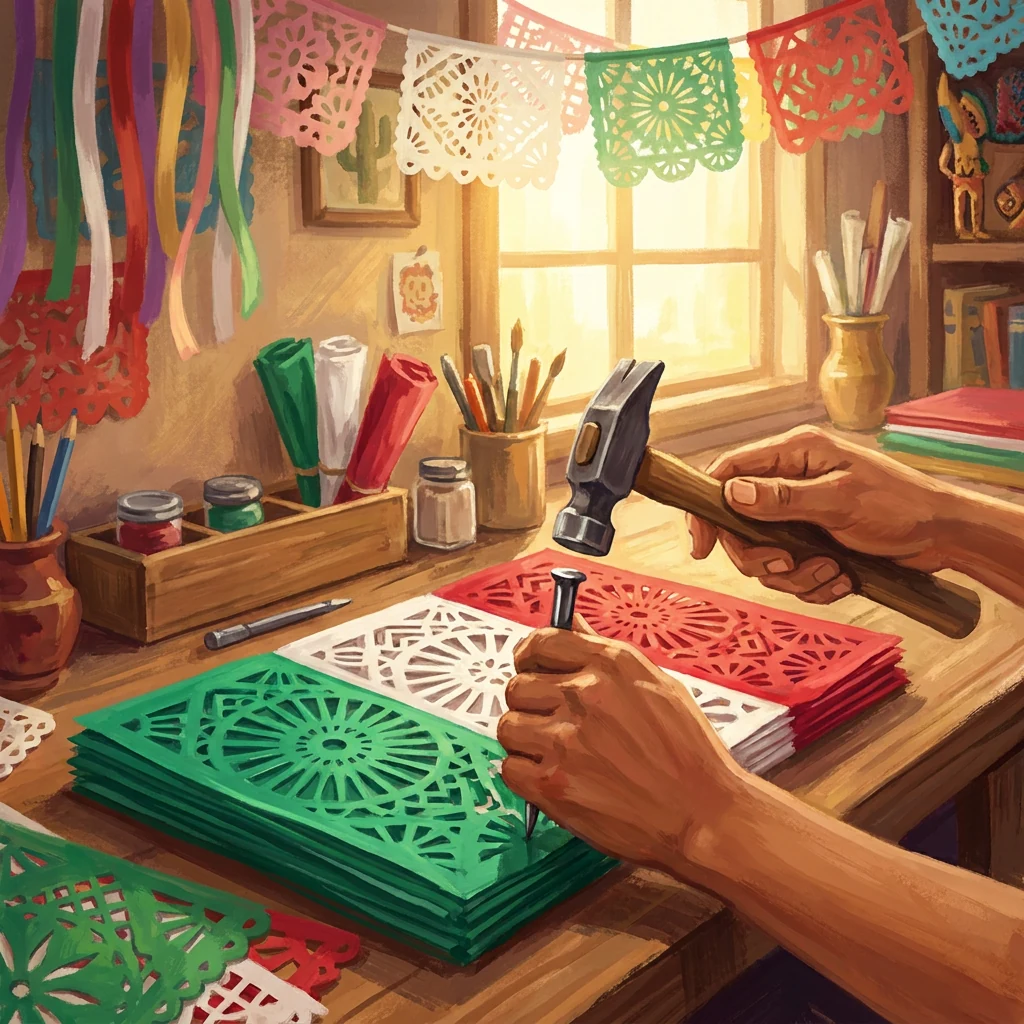
Make the most of the Fiestas Patrias with these festive and cultural ideas.
Did you know?
Fascinating facts about Mexican Independence Day and its traditions.
Ceremonies start the night before.
While September 16 is the official statutory holiday, the famous presidential Grito and fireworks occur at 11:00 PM on the eve of September 15.
The flag colors carry deep meaning.
Green represents hope and independence, white symbolizes purity and national unity, and red honors the blood shed by national heroes.
Chiles en Nogada was created in 1821.
Nuns at Santa Mónica convent in Puebla designed the dish for General Agustín de Iturbide to showcase the three colors of the new flag.
Cinco de Mayo is not Independence Day.
Cinco de Mayo commemorates the 1862 Battle of Puebla against French forces, while Mexican Independence Day (September 16) honors the founding of the nation.
Frequently asked questions
Clear answers about the date, traditions, history, and official status of Mexican Independence Day.
Yes. Under Article 74 of Mexico's Federal Labor Law (Ley Federal del Trabajo), September 16 is an obligatory paid non-working day (día feriado de descanso obligatorio) nationwide for banks, schools, and government offices.
Father Hidalgo uttered El Grito in the dawn hours of September 16, 1810. In 1896, President Porfirio Díaz moved the presidential civic ceremony to 11:00 PM on September 15 to coincide with the eve of the holiday and nationwide vigils, leading directly into the statutory holiday celebrations and grand military parade on September 16.
The quintessential dish is Chiles en Nogada (poblano chile with walnut sauce, pomegranate seeds, and parsley representing the national colors). Other favorites include Pozole Rojo, tamales, enchiladas, pambazos, and crispy buñuelos.
Mexican Independence Day (September 16) is Mexico's national day, commemorating the 1810 rebellion against Spanish colonial rule. Cinco de Mayo (May 5) commemorates the 1862 Battle of Puebla against the French army and is primarily observed regionally in Puebla and celebrated culturally in the United States.
The President and mayors recite a traditional tribute honoring the heroes of independence: '¡Mexicanos! ¡Vivan los héroes que nos dieron patria y libertad! ¡Viva Hidalgo! ¡Viva Morelos! ¡Viva Josefa Ortiz de Domínguez! ¡Viva Allende! ¡Viva Aldama! ¡Viva la independencia nacional! ¡Viva México! ¡Viva México! ¡Viva México!'
With millions of Mexican-Americans across the country, major celebrations featuring parades, charrería exhibitions, mariachi music, and civic ceremonies are held in cities such as Los Angeles, Chicago, Houston, San Antonio, and New York.
Related Mexican holidays
Explore other national holidays and cultural observances in Mexico.